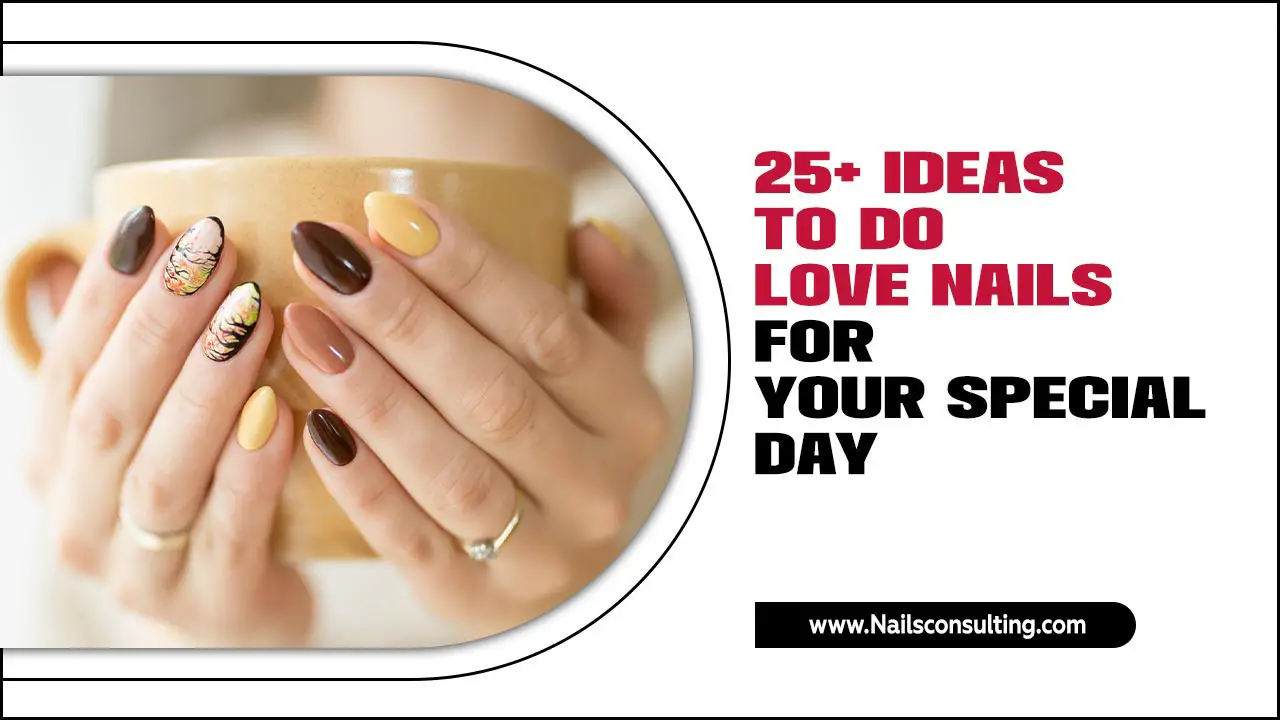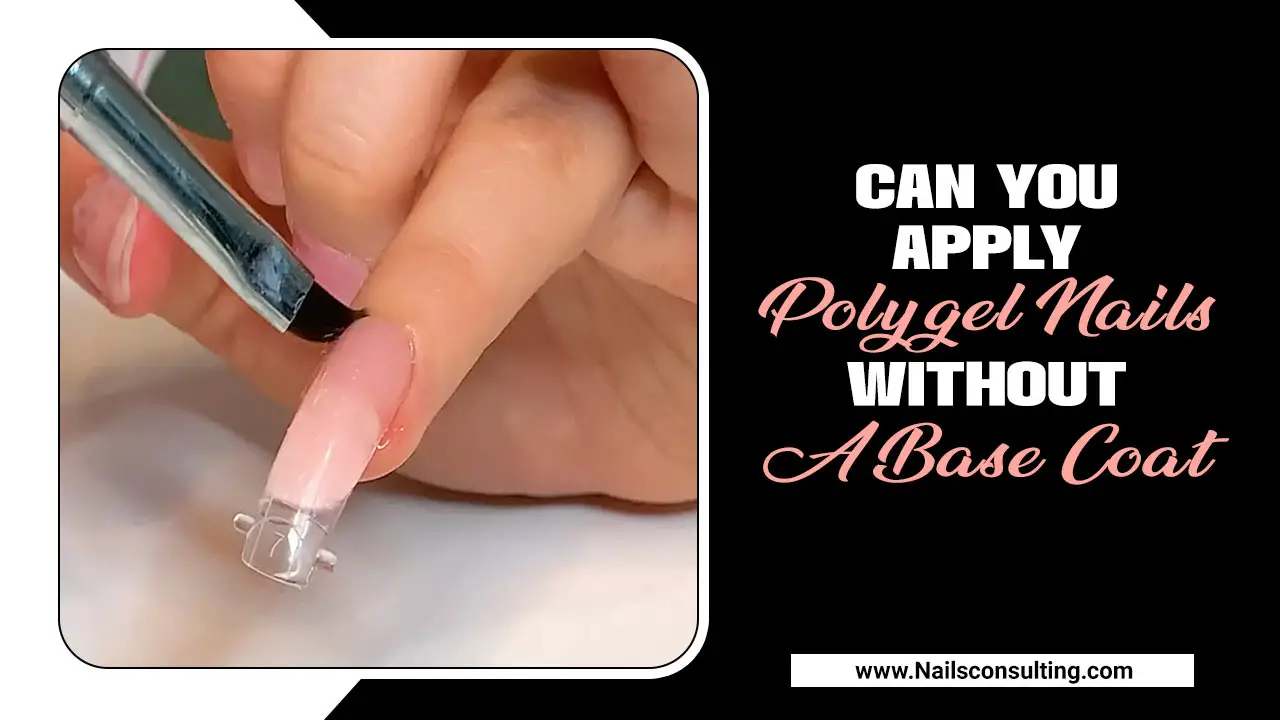
Nail design with hand painting is an accessible and fun way to express your creativity and achieve unique, beautiful manicures right at home, even for beginners. With simple techniques and the right tools, you can transform your nails into mini masterpieces.
Welcome, nail enthusiasts! Are you dreaming of stunning nail art but feel intimidated by complex techniques or expensive salon visits? Many of us have looked at those intricate designs and thought, “I could never do that!” It’s true, some nail art requires serious skill. But what if I told you that you can achieve beautiful, custom nail designs with just your own hands and a few simple painting tricks? It’s easier than you might think! Get ready to unlock your inner artist and discover how effortless beauty can be with hand-painted nail designs. We’ll walk through everything you need to know to get started.
What You’ll Need: The Essentials for Hand-Painted Nail Designs
Before we dive into painting, let’s gather our supplies. You don’t need a professional kit to start. Most of these items are likely already in your beauty stash or are readily available at drugstores and online. Having the right tools makes all the difference in achieving clean, crisp designs.
Base and Top Coats: The Foundation of Great Nails
These are non-negotiable for any manicure, especially when you’re adding art.
- Base Coat: This protects your natural nails from staining and helps your polish adhere better. It’s the invisible shield for your manicure.
- Top Coat: This seals your design, adds shine, and prevents chipping. A good top coat is your best friend for a long-lasting look.
Nail Polish: Your Color Palette
You’ll need a variety of colors. For beginners, starting with a few core colors is perfect.
- Base colors: Choose shades you love for the main nail.
- Accent colors: Lighter or darker shades for details and accents.
- Black and White: These are incredibly versatile for drawing lines, dots, and outlines.
A good tip is to use polishes that have a smooth application. Avoid chunky glitters for detailed work until you’re more comfortable.
The Right Tools for the Job: Painting Your Masterpiece
This is where the hand-painting magic happens! Don’t be scared; these are simple tools that give you control.
- Fine-tipped Brushes: These are key! Look for brushes with very thin, precise tips. You can find them in craft stores (look for synthetic brushes, as they clean easily) or specialized nail art brush sets. A few different sizes can be helpful.
- Dotting Tools: These have small, round metal tips at the end of a handle. They’re perfect for creating dots of various sizes and even small flowers.
- Toothpicks or Orange Wood Sticks: These are surprisingly effective for small details, clean-up, and even creating simple lines or swirls if you don’t have brushes.
- Nail Art Pens/Polish Pens: These are like markers for your nails, offering a controlled flow of polish. They’re fantastic for beginners wanting to draw lines or simple shapes.
Clean-Up Crew for Perfection
Mistakes are part of learning, and these tools help fix them beautifully.
- Cotton Swabs (Q-tips): Dip in nail polish remover for quick clean-ups around the cuticle and sidewalls.
- Small, Flat Brush: A small brush dedicated to clean-up, dipped in remover, can offer more precision than a cotton swab.
- Nail Polish Remover: Acetone-based removers are generally more effective for cleaning up mistakes quickly.
Optional Enhancing Additions
Once you’re comfortable, these can elevate your designs.
- Acrylic Paints: These water-based paints offer more blendability and vibrant colors than nail polish. They dry quickly and can be used on top of dried nail polish or top coat.
- Stones, Glitter, or Decals: For adding extra sparkle or dimension to your hand-painted designs.
Getting Started: Prep Work Makes Perfect
A great design starts with healthy, well-prepared nails. This step ensures your art looks professional and lasts longer.
Clean and Shape Your Nails
- Remove Old Polish: Make sure all traces of previous polish are gone.
- Trim and File: Shape your nails to your desired length and form. Use a fine-grit file to smooth edges and prevent snags. For a professional look, you can learn more about proper nail shaping from resources like those provided by the Nails Magazine.
- Push Back Cuticles: Gently push back your cuticles with an orange wood stick or a specialized cuticle pusher. Avoid cutting them unless absolutely necessary, as this can lead to infection.
- Cleanse Your Nails: Wash your hands thoroughly with soap and water. Ensure nails are completely dry and free of any oils or lotions. You can swipe them with a bit of nail polish remover or rubbing alcohol to remove any lingering oils.
Apply Your Base Coat
This is crucial. Apply one thin, even layer. Let it dry completely. This protects your nails and gives your color something to grip onto.
Apply Your Base Color
Apply two thin coats of your chosen base polish. Make sure each coat is fully dry before applying the next. Patience here prevents smudging later. A smooth, opaque finish is the perfect canvas for your hand-painted art.
Easy Nail Design Techniques for Beginners
Now for the fun part! We’ll start with simple, foolproof techniques that look impressive but are surprisingly easy.
The Dot-Tastic Method: Simple and Sweet
Dots are incredibly versatile. They can be used to create patterns, flowers, or just add a playful touch.
- Gather your tools: A dotting tool (or toothpick/head of a pin) and two contrasting polish colors.
- Dip your tool: Place a small bead of polish on a non-porous surface (like a piece of foil or a tile). Dip the tip of your dotting tool into the polish. You don’t need a lot – just a small amount to get a clean dot.
- Place the dots: Gently touch the tip of your tool to the nail to transfer the polish. You can create lines of dots, clusters, or even form shapes like flowers by placing dots in a circle and adding a center dot.
- Vary sizes: Use different sized dotting tools or vary the pressure to create dots of different sizes.
- Clean as you go: Wipe your dotting tool clean with nail polish remover after each use to keep your dots crisp.
The Line Art Wonder: Sleek and Chic
Simple lines can make a big statement.
- Tools: A fine-tipped brush, a nail art pen, or even a toothpick. A dark or light color over a contrasting base works best.
- Steady your hand: Rest your pinky finger on your desk to create a steady base.
- Thin lines: Load a small amount of polish onto your brush or pen. Gently draw thin, delicate lines across your nail. You can create French tips with a twist, geometric patterns, or abstract swirls.
- Clean up: If you make a mistake, a fine brush dipped in nail polish remover can carefully erase the line.
The Gradient Glow: Smoothly Blended Beauty
This technique looks complex but is achievable with patience.
- What you need: Two to three polishes in complementary shades, a makeup sponge (a dense one works best), and a clean-up brush.
- Apply to sponge: Paint stripes of your chosen colors onto the makeup sponge, side-by-side. Work quickly!
- Blot onto nail: Gently press the sponge onto your nail, rolling slightly from side to side to blend the colors.
- Repeat and refine: You might need to reapply polish to the sponge and repeat the blotting process to build up color intensity and smoothness.
- Clean up: Use your clean-up brush dipped in nail polish remover to carefully clean the excess polish from your skin around the nail.
This creates a beautiful, seamless blend that’s perfect for a sunset or ombre effect.
Simple Floral Designs: Painting Petals
Think simple daisies or outlines of flowers.
- Daisies: Use a dotting tool to make a central dot of one color (e.g., yellow). Then, using a fine brush with white polish, create small petal shapes around the dot.
- Outline Flowers: Paint a few simple dots in a circular pattern with one color. Once dry, use a fine brush and a contrasting color (like black or dark brown) to draw simple stems and leaf shapes underneath, or outline the dots to create a petal effect.
French Tips with a Twist
The classic French manicure gets an update with hand-painting.
- Classic French: Use a fine brush loaded with white polish to paint a smile line on the tip of your nail.
- Colored French: Instead of white, use any color for the tip.
- Reverse French: Paint a smile line at the base of your nail.
- V-shaped French: Create a sharp V-shape at the tip.
Using tape can help create a crisper line for beginners, but freehanding with a steady hand and the right brush offers more artistic freedom.
Hand-Painting with Acrylic Paints for Vibrant Designs
Once you’re comfortable with polish, try acrylics! They offer a different texture and opacity that can open up new design possibilities. Remember, acrylic paints are non-toxic and water-based for art purposes, but it’s always a good idea to check product labels. For nail art, look for “craft acrylics” that are suitable for detailing.
Why Use Acrylics?
- Vibrant Colors: Far more pigment-rich than most nail polishes.
- Blendability: Easier to blend and create gradients.
- Matte Finish: They dry to a matte finish, which can be beautiful on its own or topped with a glossy top coat.
- Detailing: Excellent for fine lines and intricate work.
How to Use Acrylic Paints on Nails
- Prepare your nails: Ensure your base color and top coat are completely dry. Some artists prefer to apply acrylics directly onto a dry top coat layer to allow for easier removal of mistakes and protect the design.
- Mix your colors: Use a palette, old tile, or even a piece of plastic to mix your acrylic paints.
- Paint your design: Using your fine brushes, apply the acrylic paint to your nails. Work relatively quickly as acrylics dry fast.
- Layering: You can layer colors or build up opacity by applying multiple thin coats.
- Sealing the deal: Once your design is completely dry (which is usually very fast), apply a clear top coat to seal the design and add shine. Ensure the top coat is compatible with acrylic paint – some solvent-based top coats can reactivate the paint. Water-based or specially formulated nail art top coats are often best.
Acrylic paints can be used to create anything from delicate flowers and leaves to detailed character art. The key is practice and using the right brush. For more on craft supply safety and types of acrylics, the American Craft Council provides helpful guidance on materials.
Common Mistakes and How to Fix Them
Don’t let a slip-up derail your artistic efforts! Here’s how to handle common mishaps.
- Smudged Lines: If a line smudges while wet, try to gently smooth it with the side of your brush or a toothpick. If it’s already dry and smudged, use a fine brush dipped in nail polish remover to carefully “erase” the smudge. Then, redraw the line.
- Uneven Dots: If dots are lumpy or too big, use your clean-up brush dipped in remover to gently reshape or remove them entirely. Redo the dot with a clean tool and less polish.
- Polish on Skin: For clean edges, dip a small brush or cotton swab into nail polish remover and carefully trace around your cuticle and sidewalls to remove any stray polish.
- Thick Polish Application: Always aim for thin coats of polish and paint. Thick layers take longer to dry, are prone to smudging, and can look unprofessional. If your polish is too thick, it might be time to add a nail polish thinner.
The most important thing is to not get discouraged. Every artist makes mistakes!
Maintaining Your Hand-Painted Masterpiece
A little care goes a long way in making your beautiful nail art last.
- Avoid Harsh Chemicals: Wear gloves when doing chores, especially washing dishes or using cleaning products. These can break down your top coat and polish.
- Reapply Top Coat: Every two to three days, apply a fresh layer of top coat over your manicure. This helps reinforce the design and prevent chipping.
- Be Gentle: Try not to use your nails as tools to open cans or scrape surfaces.
- Moisturize: Keep your cuticles and hands moisturized with cuticle oil and hand cream. Healthy nails and cuticles make your manicure look even better.
Hand-Painted Nail Design Inspiration for Every Occasion
Looking for ideas? Hand-painted designs offer endless possibilities.
Seasonal Designs
- Spring: Delicate floral patterns, pastel colors, butterfly motifs.
- Summer: Tropical fruits, beach scenes, bright geometric patterns, tie-dye effects.
- Autumn: Leafy patterns, warm earthy tones, pumpkin motifs, subtle plaid designs.
- Winter: Snowflakes, icy blues and whites, festive patterns, deep jewel tones.
Everyday Elegance
- Minimalist dots or lines accenting a nude or solid color.
- Subtle ombré effects.
- Tiny heart or star details.
- Delicate French tips in unexpected colors.
Special Occasions
- Intricate floral bouquets for weddings.
- Glitter accents and bold patterns for parties.
- Themed designs for holidays or events.
Pros and Cons of Hand-Painted Nail Designs
Like any technique, hand-painting has its advantages and disadvantages. Understanding these can help you decide if it’s the right method for you.
| Pros | Cons |
|---|---|
| Creativity & Customization: Limitless design possibilities. You can create exactly what you envision. | Learning Curve: While simplified, it still requires practice to achieve polished results, especially for complex designs. |
| Cost-Effective: Much cheaper than professional salon art. You only need basic supplies. | Time-Consuming: Intricate designs can take a significant amount of time to complete properly. |
| Accessible: Can be done from the comfort of your home with readily available tools. | Durability: Hand-painted designs might be more prone to chipping or wearing down compared to professional gel
Related Posts |