Nail Design With Color Blocking: Genius Tips
Transform your nails into a vibrant canvas with color blocking! This beginner-friendly guide breaks down how to create stylish, modern color-blocked nail designs with ease, using simple techniques and everyday tools. Get ready to unleash your creativity and achieve salon-worthy results at home!
Ready to give your nails a fresh, modern makeover? Nail design with color blocking is a super fun way to play with colors and shapes. It’s an art form where different, solid blocks of color are placed next to each other on the nail. Think bold, think graphic, and think totally chic! This trend is everywhere, and the best part is, it looks way more complicated than it actually is. You don’t need to be a pro to get amazing color-blocked nails. We’ll walk through everything you need to know, from picking your colors to making those lines super crisp. Get ready to have some fun and create nail art you’ll love!
—
Why Embrace Color Blocking Nail Design?
Color blocking isn’t just a passing trend; it’s a statement. It’s about making your nails pop and showcasing your personality. From minimalist looks to bold, vibrant statements, the possibilities are endless. It’s a fantastic way for beginners to dive into nail art because the focus is on clean lines and distinct shapes, rather than intricate patterns. Plus, it’s a great way to use up those nail polish shades you love but aren’t sure how to combine otherwise!
Imagine showing off nails that look curated, intentional, and super stylish. Color blocking offers that and more. It’s accessible, adaptable, and incredibly satisfying to create. Whether you’re aiming for a subtle accent or a full-on artistic masterpiece, this technique delivers.
Getting Started: Your Color Blocking Toolkit
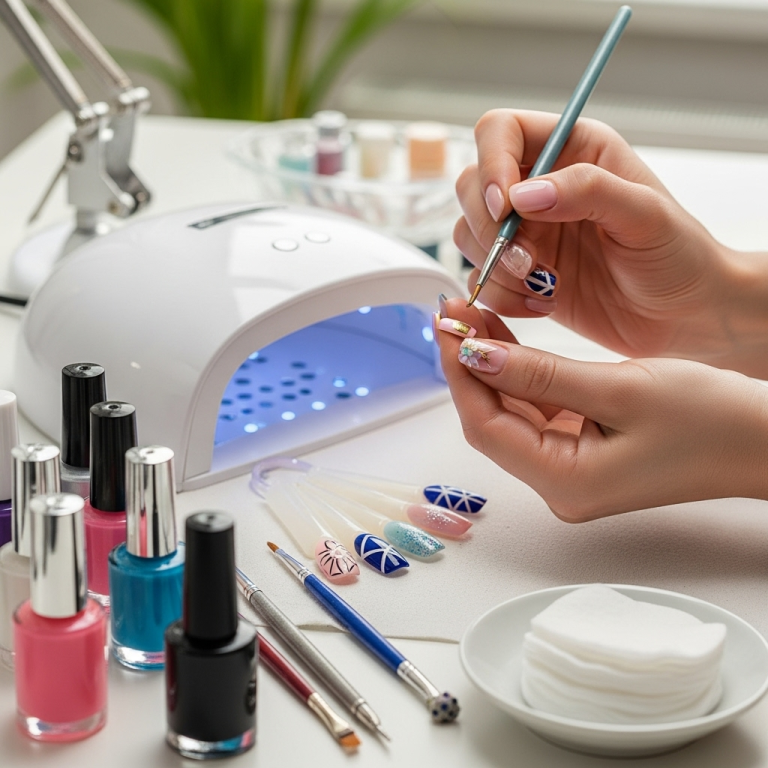
Before you dive into creating, let’s get you set up with the essentials. You might already have most of these items, which makes this nail design even more accessible.
Essential Nail Polish Shades
The core of color blocking is, of course, color! You’ll need at least two different nail polish shades for your design.
- Base Coat: Protects your natural nails and helps polish adhere better.
- Top Coat: Seals your design, adds shine, and prevents chipping. It’s a must-have for longevity.
- Your Chosen Colors: Think about combinations! Contrasting colors (like blue and orange) create a bold look, while analogous colors (like blue and green) offer a softer feel. Neutrals with a pop of color can also be stunning.
Helpful Tools for Precision
Precision is key to that clean, sharp color-blocked look. These tools will be your best friends:
- Thin Nail Art Brush or Fine-Tip Detailer Brush: Perfect for creating clean lines and filling in small areas.
- Striping Tape or Washi Tape: This is a game-changer for creating perfectly straight lines and defined edges. Look for low-tack options so they don’t damage your polish.
- Small Scissors or a Craft Knife: For cutting your tape to the desired lengths and shapes.
- Tweezers: Helpful for precisely placing tape and removing it without smudging.
- Clean-up Brush: An old, small, stiff-bristled brush (like a lip brush or a small concealer brush) dipped in nail polish remover is invaluable for tidying up any mistakes around the cuticle and sidewalls.
- Paper or Palette: To dab excess polish off your brush and to test color combinations.
Color Blocking Basics: Simple Techniques for Stunning Results
Let’s get down to the techniques that will make your color-blocked nails shine. We’ll start with the easiest methods and build up from there.
Method 1: The Tape-Tastic Straight Line Block
This is by far the easiest and most popular method for beginners. It guarantees sharp, clean lines every time.
- Prep Your Nails: Start with clean, dry nails. Apply a base coat and let it dry completely. Then, apply your first color (let’s call it Color A). Apply two thin coats for opacity and let it dry thoroughly. This is crucial! If it’s not dry, the tape will lift the polish.
- Apply the Tape: Once Color A is completely dry, carefully apply your striping tape or washi tape across the nail. You decide where the line goes – it could be horizontal, diagonal, or even zig-zagged if you cut the tape. Press the edges down firmly to prevent polish from seeping underneath.
- Add Your Second Color: Now, apply your second color (Color B) over the tape and the exposed part of the nail. You can paint right over the tape. Apply one or two thin coats as needed.
- The Reveal: While Color B is still slightly tacky (but not wet!), carefully peel off the tape. This is the magic moment! Using tweezers can help get a clean lift. If the polish is too dry, it might peel away with the tape.
- Clean Up and Seal: Once Color B is dry, use your clean-up brush dipped in nail polish remover to neaten any edges around your cuticles or skin. Finally, apply a generous layer of top coat to seal everything in and add a beautiful shine. Let it dry completely.
This method is fantastic for creating a half-moon effect, a French tip variation, or simply dividing the nail into two distinct color zones. Experiment with placement – a diagonal split can look super chic!
Method 2: The Freehand Shape Block
This method requires a little more control, but it opens up a world of creative possibilities.
- Prep and Base: As always, start with a clean nail, base coat, and your first color (Color A). Let Color A dry completely.
- Freehand the Line: Dip your thin nail art brush into Color B. Wipe off most of the polish on a paper towel, leaving just a little on the brush for control. Carefully paint your desired shape or line directly onto the nail with Color A showing through as a separate block. Think geometric shapes, curved lines, or even simple stripes.
- Fill and Refine: Once you’ve outlined your shape, you can go back and fill it in with Color B if needed, or use the brush to thicken lines or create more defined edges.
- Clean Up and Seal: Use your clean-up brush and nail polish remover to tidy up any smudges or wobbly lines. Once everything is dry, finish with a top coat.
This freehand method is perfect for creating more organic shapes or abstract color-blocked designs. Don’t be afraid to practice on paper first!
Method 3: The Layering Block (for more advanced designs)
This technique involves layering colors and tape to create more complex designs, like color-blocked French tips or multi-sectioned nails.
- Base and First Color: Apply base coat and Color A. Let it dry completely.
- First Tape Application: Apply tape to create the first dividing line and apply Color B. Let Color B dry completely.
- Second Tape Application: Carefully remove Color B’s tape. Now, apply tape over a section of Color B to mask it off. You might also need to apply tape to a section of Color A if you’re creating more than two blocks.
- Third Color Application: Apply Color C over the exposed section of Color A or B. Let it dry completely.
- The Grand Reveal: Slowly and carefully peel off all the tape. If any polish seeped, you can try to gently scrape it away with an orangewood stick before it dries completely, or clean up with your brush after.
- Final Seal: Once all colors are dry, seal the entire design with a top coat.
This method is ideal for designs with three or more colors, or for creating intricate geometric patterns. Patience is your greatest asset here!
Choosing Your Color Palette: Tips for Harmonious Hues
The colors you choose can make or break your color-blocked nail design. Here’s how to pick a palette that works:
- Opposites Attract: Consider the color wheel. Colors opposite each other (like red and green, blue and orange, yellow and purple) create a high contrast, bold look.
- Harmonious Shades: Colors that are next to each other on the color wheel (like blues and greens, or reds and oranges) create a more subtle, harmonious effect.
- Monochromatic Magic: Using different shades of the same color (e.g., light blue, medium blue, dark blue) is a sophisticated way to do color blocking.
- Neutrals with a Pop: Combine classic neutrals like white, black, grey, or nude with a single bright, bold color for a modern and chic look.
- Consider Your Outfit: Sometimes, coordinating your nails with your clothing or accessories can tie your whole look together.
- The Rule of Three: For beginners, sticking to two or three colors is usually best to avoid overwhelming the design.
Don’t be afraid to experiment! Swatching colors on a piece of paper can help you visualize how they’ll look together before you commit them to your nails.
Nail Shapes and Color Blocking: A Perfect Match?
The shape of your nails can significantly influence how your color-blocked designs appear.
| Nail Shape | Best For Color Blocking | Why It Works |
|---|---|---|
| Square/Squoval | All types, especially designs with straight lines and geometric blocks. | The flat edges and straight sidewalls provide a great canvas for crisp, defined blocks. Think horizontal or vertical splits. |
| Round | Simple, clean blocks and curved color transitions. | The gentle curve can enhance designs that mimic natural shapes, like half-moon tips or subtle color gradients. |
| Oval | Elegant, elongated designs and diagonal splits. | The tapered ends in oval nails can make diagonal color blocks appear even more dynamic and artful. |
| Almond | Asymmetrical designs, pointed color blocks, and minimalist accents. | The pointed tip is a natural focal point, making designs that incorporate the tip in a unique way very striking. |
| Stiletto | Dramatic, pointed blocks and sharp accents. | The long, pointed shape is ideal for creating sharp, angular color-blocked sections that emphasize the nail’s silhouette. |
Ultimately, color blocking can be adapted to any nail shape. The key is to consider the natural lines of your nail when planning your design. For example, a diagonal line on a square nail will look different than on a stiletto nail. Embracing this can lead to some unique and beautiful results!
Tips & Tricks for Flawless Color Blocking
Even with tape, a few extra tips can elevate your game. These are the little secrets that make a big difference.
- Patience is a Virtue: Seriously, let each layer dry! Rushing is the quickest way to a smudged mess.
- Thin Coats are Key: Thick coats take longer to dry and are more prone to smudging. Two thin coats are better than one thick one.
- Tester Colors First: Before applying to your nails, test your color combinations on paper or a spare nail tip to ensure you love the look.
- Clean Up As You Go: Don’t wait until the end for clean-up. A tiny smudge can often be fixed with a careful sweep of your clean-up brush and remover while the polish is still a bit wet.
- The Right Tape Matters: Invest in good quality striping tape or low-tack washi tape. Cheaper tapes can either be too sticky (ruining your polish) or too flimsy (allowing polish to seep). You want tape that adheres well without lifting what’s underneath.
- Top Coat Strategy: Apply your top coat carefully. Try to avoid touching where the colors meet if possible, especially if they are very fresh, as the solvent in the top coat can sometimes slightly meld them. A generous coat over the entire nail is best.
- Embrace Imperfection: Especially when you’re starting, don’t expect perfection. It’s a learning process, and “wabi-sabi” (finding beauty in imperfection) can be a great mindset for DIY nail art!
Trendsetting Color Blocking Nail Designs to Try
Ready for some inspiration? Here are a few popular color-blocking ideas to get you started:
- The Half-Moon Manicure: Paint the bottom half of your nail one color and the top half another.
- Diagonal Divide: A simple diagonal line separating two bold colors.
- Color-Blocked French Tips: Instead of white, use a color block at the tip of your nail.
- Geometric Grids: Use tape to create a grid pattern and fill in alternating squares with different colors.
- Abstract Asymmetry: Freehand flowing lines and shapes in contrasting colors.
- Color-Blocked Accent Nail: Choose one nail to feature a more complex color block design while the others are a single color.
- The “Color Block Ombre”: While not a true ombre, you can achieve a similar effect by using tape to create distinct blocks of three or more colors that are close in shade or gradient.
For a deeper dive into nail art trends and inspiration, check out resources from reputable beauty publications or even art and design blogs for color palette ideas. For instance, understanding color theory can be immensely helpful, and websites like ColorPalettes.com offer endless inspiration for harmonious color combinations.
Common Color Blocking Nail Design Mistakes (And How to Fix Them!)
Even with the best intentions, things can go awry. Here are common pitfalls and how to save your manicure:
Mistake 1: Seepage Under the Tape
This happens when the tape isn’t pressed down firmly or the polish is too wet when tape is applied.
- Fix: Clean up immediately with a small brush dipped in nail polish remover. Work quickly before the polish dries. For advanced fixes, you might be able to carefully scrape away a dried smudge with an orangewood stick.
Mistake 2: Polish Peels When Tape is Removed
This is usually because the base polish wasn’t dry enough.
- Fix: This is tricky to fix perfectly post-peel. If only a small area is lifted, you can try carefully applying a tiny bit more of the original color back to the spot. Sometimes, a well-placed glitter top coat can camouflage minor imperfections. Your best bet is to be extra patient with drying times next time!
Mistake 3: Uneven or Wobbly Lines
This can occur with freehand painting or if the tape shifts slightly.
- Fix: Again, your clean-up brush is your best friend. Carefully trace the edge of the wobbly line with the brush and remover to sharpen it. If using tape, ensure it’s applied smoothly without wrinkles.
Mistake 4: Too Many Colors
Trying to cram too many colors into one design can look messy.
- Fix: Simplify! If a design looks too busy, sometimes removing one or two colors and sticking to a more limited palette can make a huge difference. Or, consider using one color block as an accent nail.
Remember, every nail artist has these slip-ups! The key is to not get discouraged and to learn from each experience. With practice, these mistakes will become fewer and farther between.
FAQ: Your Color Blocking Nail Design Questions Answered
Q1: What are the best nail polish formulas for color blocking?
Creamy, opaque formulas are generally best. They provide solid color pay-off in one or two coats, which is essential for crisp blocks. Avoid polishes that are too sheer or streaky, as they’ll require more coats and increase the drying time.
Q2: Can I use glitter polish in a color-blocked design?
Absolutely! Glitter polishes can add fantastic texture and sparkle. You can use them as one of your main color blocks, or as a top coat over a color block. If using glitter as a block, ensure it dries fully before applying tape over it.
Q3: How do I make my color-blocked nails last longer?
Proper nail prep (cleaning and filing), using a good base coat and top coat, and avoiding harsh chemicals are crucial. Allow each layer of polish to dry thoroughly between steps. Reapply your top coat every few days to maintain shine and protection.
Q4: Is color blocking only for short nails?
No! Color blocking works beautifully on all nail lengths and shapes. The design might look different, but the principles remain the same. Longer nails can accommodate more intricate geometric patterns or larger color blocks.
Q5: What if I don’t have striping tape? Can I still do straight lines?
Yes! You can use regular low-tack washi tape, painter’s tape (