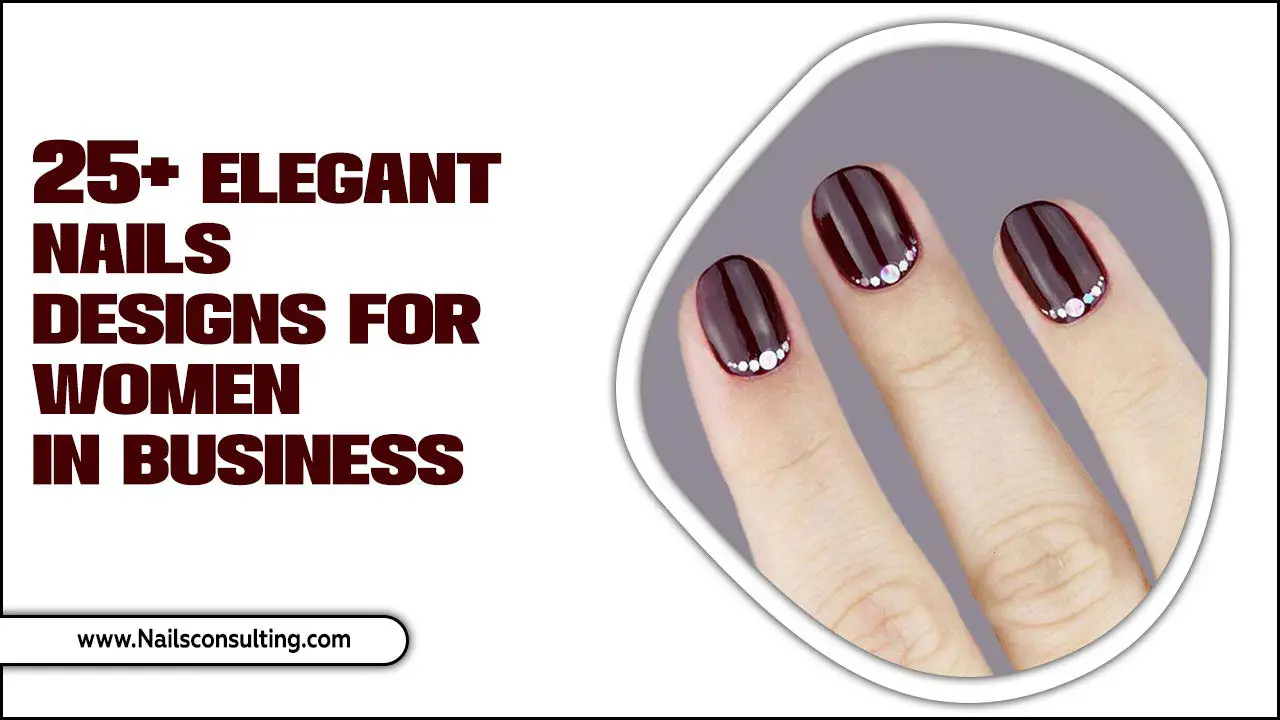
Your nails can make a subtle statement in business meetings! Opt for clean, classic, and polished designs. Think neutral colors, subtle French tips, or minimalist accents. The key is professionalism and a well-groomed appearance that boosts your confidence without distracting.
Meeting that important client? Heading into a big presentation? How you present yourself matters, and that includes your nails! Sometimes, figuring out what nail look is “right” for a professional setting can be a bit tricky. You want to look polished and put-together, but not overdone. We’ve all been there, staring at our nail polish collection, wondering if that bright red or glittery blue is a good idea for a business meeting. Don’t worry, I’m here to help you navigate this with easy-to-follow advice. Let’s make sure your nails say “professional and confident” every time you walk into that boardroom!
Nail Designs for Business Meetings: What’s the Professional Vibe?
When it comes to nail designs for business meetings, the overarching theme is sophistication and subtlety. The goal is to exude professionalism, competence, and attention to detail, without your nails being a distraction. Think of your manicure as a supporting actor in your overall presentation – it should enhance your professional image, not steal the spotlight. This means steering clear of anything too loud, flashy, or distracting. We’re aiming for chic, clean, and classic.
Professional nail choices are about making a positive first impression. They show that you care about your appearance and how you present yourself in a formal or semi-formal environment. This attention to detail can subconsciously signal to others that you’re organized, meticulous, and take your work seriously. It’s a small detail that can contribute to building trust and credibility.
So, what exactly fits the bill? Generally, understated elegance reigns supreme. This often translates to neutral color palettes, classic French manicures, and simple, clean finishes. It’s about looking polished and well-groomed, ensuring your hands complement your professional attire and demeanor. We want to avoid anything that might be perceived as overly casual, trendy to the point of being fleeting, or distracting during important discussions.
Key Principles for Business Meeting Manicures
Before we dive into specific designs, let’s lay down some fundamental principles that will guide your choices. These are the golden rules for ensuring your nails are always meeting-ready, no matter the industry or occasion.
1. The Power of Neutral Colors
Neutral colors are your best friends when it comes to professional nail designs. They are versatile, timeless, and exude a sense of calm and sophistication. These shades blend seamlessly with most professional wardrobes and don’t demand attention. They create a polished backdrop, allowing your message and personality to shine through.
Think of shades like:
- Beiges and Nudes: These are incredibly flattering and can make your fingers look longer and more elegant. They offer a soft, natural look that’s always appropriate.
- Pale Pinks and Corals: Soft, muted versions of these colors can add a hint of femininity without being overwhelming. They offer a subtle warmth.
- Soft Grays: A sophisticated and modern neutral that pairs well with business attire.
- Creamy Whites: A softer alternative to stark white, offering a clean and pristine look.
These colors are universally accepted in most professional environments. They don’t clash with outfits and offer a clean canvas. Applying a sheer or opaque neutral can instantly elevate your look, making your hands appear neat and well-cared for. The key is a smooth, even application for a flawless finish.
2. Keep It Clean and Polished
This principle goes beyond just color. It’s about the overall health and appearance of your nails. Well-maintained nails are crucial. This means:
- Proper Nail Length: Keep your nails at a moderate length. Very long nails can be seen as impractical or even unprofessional in some settings. Short to medium lengths are typically safest.
- Neatly Filed Edges: Ensure your nails are filed to a uniform shape, without any rough edges or snags. Squoval or rounded shapes are generally preferred.
- Exfoliated Cuticles: Push back and trim cuticles gently. Dry, ragged cuticles detract from an otherwise perfect manicure.
- Smooth Surface: A base coat and top coat are essential. The base coat protects your natural nail and helps polish adhere, while a good top coat provides shine and prevents chipping.
A clean and polished look shows that you pay attention to detail. It suggests a level of self-care and discipline that can translate positively in a professional context. Even if you choose a simple polish color, the presentation of the nail itself is paramount. For guidance on nail health and maintenance, resources like the American Academy of Dermatology offer excellent insights into general nail care.
3. Subtle Accents, Not Statements
If you love a bit of flair, you don’t have to abandon it entirely. The trick is to be very understated. Instead of bold patterns or chunky embellishments, opt for minimal, elegant accents. These can add a touch of personality without being overpowering.
Consider these subtle accent ideas:
- A Single Accent Nail: Paint one nail a slightly different, yet complementary, shade or add a very small, simple design.
- Minimalist Lines: A thin, metallic stripe (gold or silver) applied horizontally or vertically on one or two nails.
- Tiny Dots: A few tiny dots in a dark or metallic shade near the cuticle or at the tip can be very chic.
- Matte Finish: A sophisticated alternative to high gloss, a matte top coat can make even a bold color look more subdued and professional.
The key here is restraint. The accent should be a small detail that looks intentional and refined. It’s about a hint of creativity, not a full-blown artwork. Think of it as a whisper of style rather than a shout.
4. Professional Finish is Key
No matter the design you choose, the execution must be flawless. This means:
- No Chipping: This is non-negotiable. Chipped polish instantly looks messy and unprofessional. Opt for long-lasting formulas or gel polish if you need durability.
- Even Application: Smooth, even coats of color are essential. Avoid streaks or thick patches.
- Clean Lines: If you’re doing a French tip or adding an accent, ensure the lines are crisp and clean.
Investing in good quality base and top coats can make a huge difference. A high-quality top coat, especially one that offers a reflective finish, can make even a simple color look like a salon-quality manicure. If you’re unsure about your application skills, consider professional manicures for important meetings.
Beginner-Friendly Nail Designs for Business Meetings
Now that we have the grounding principles, let’s explore some specific, easy-to-achieve nail designs that are perfect for business meetings. These are designed with beginners in mind, focusing on simplicity and impact.
1. The Classic French Manicure (Refined)
The French manicure is a timeless choice for a reason. It’s clean, elegant, and universally flattering. For a modern business meeting look, consider a softer take on the classic.
How-to:
- Apply a nude or sheer pink base coat. This creates a smooth, natural-looking nail bed.
- Once dry, carefully paint a thin, white or off-white line along the tip of your nails. You can use a fine brush or nail art pen for precision. Alternatively, nail guides can help achieve a straight line.
- Allow the white tips to dry completely.
- Apply a clear top coat for shine and protection.
Why it works: It’s sophisticated, understated, and makes your hands look impeccably groomed. The subtle contrast of the tip is noticeable but never distracting.
2. The Monochromatic Look
This is perhaps the easiest yet most chic option. A single, solid color polished to perfection speaks volumes.
How-to:
- Start with your preferred neutral shade (beige, soft pink, muted gray, cream).
- Apply one thin coat of color and let it dry.
- Apply a second thin coat for full opacity.
- Finish with a clear, high-shine top coat.
Why it works: A solid, well-applied color in a professional shade is inherently polished. It’s simple, elegant, and always looks intentional. The focus is on the perfection of the application and the sophisticated color choice.
3. The Subtle Ombre
An ombre can be surprisingly professional when done in soft, blended tones.
How-to:
- Apply a nude or pale pink base coat.
- Choose two complementary neutral shades (e.g., nude and a soft peach, or pale pink and a light tan).
- Using a makeup sponge, lightly dab the lighter color onto the tip of the nail, blending downwards slightly.
- Immediately use a clean sponge to blend the darker color on the tip into the base color, creating a soft gradient.
- Alternatively, for a simpler gradient, apply the base color, then dab a lighter shade near the cuticle and blend upwards.
- Clean up any polish on your skin with a precise brush dipped in remover.
- Finish with a clear top coat.
Why it works: The soft blend is visually interesting without being loud. It offers a touch of creative flair while maintaining a professional aesthetic. It’s a subtle way to add depth.
4. The Clean Line Accent
This design is perfect for those who want a tiny bit of interest, but with maximum elegance.
How-to:
- Paint all nails with your chosen neutral base color (e.g., a soft beige).
- Once completely dry, use a fine nail art brush or striping tape dipped in a metallic shade (gold, silver, rose gold) or a deeper neutral (like a deep taupe if your base is beige).
- Apply a single, thin, straight line either horizontally across the middle of the nail, vertically down one side, or near the cuticle.
- Carefully remove any tape while the polish is still wet, or let the brush stroke dry.
- Apply a clear top coat.
Why it works: The sharp, clean line adds a modern, minimalist touch. Metallic accents can catch the light subtly, adding sophistication. It’s a contemporary take on nail art that feels very intentional and chic.
5. The Half-Moon Manicure
This retro-inspired design can be incredibly chic and understated for a professional setting.
How-to:
- Apply your neutral base polish (e.g., a nude shade) to all nails and let it dry completely.
- Place a small circular sticker or guide just above your cuticle, leaving the half-moon shape at the base of your nail exposed.
- Carefully paint the exposed half-moon area with a slightly contrasting neutral shade, a subtle metallic, or even a clear polish for a different texture.
- Remove the sticker carefully while the polish is still wet.
- Once dry, apply a clear top coat over the entire nail.
Why it works: It’s a sophisticated design that draws attention to the base of the nail in a refined way. The contrast is subtle, and it looks very intentional and polished.
Tools for Professional Nail Designs
You don’t need a professional nail salon to achieve polished results. A few key tools can make all the difference, especially for beginners.
Essential Tools:
| Tool | Why You Need It | Beginner Tip |
|---|---|---|
| A Good Quality Base Coat | Protects your natural nails from staining and helps polish adhere better. Prevents chipping. | Look for formulas that offer strengthening properties or ridge filling. |
| A High-Shine Top Coat | Adds a glossy finish, makes your manicure look professional, and protects against chips and smudges. | Many top coats also help to speed up drying time. |
| Cuticle Pusher/Orange Stick | Gently pushes back cuticles for a clean nail edge. | Always do this after showering or applying cuticle oil to soften the skin. |
| Nail File | To shape your nails evenly. | Use a fine-grit file and file in one direction to prevent splitting. |
| Fine-Tipped Brush or Nail Art Pen | For creating clean lines, dots, or subtle accents. | A calligraphy pen or even a clean, fine-tipped makeup brush can work in a pinch! |
| Small Bowl of Rubbing Alcohol or Nail Polish Remover | For cleaning up stray polish around the cuticles and for cleaning brushes. | An angled brush dipped in remover is your best friend for clean edges. |
| Nail Polish Corrector Pen (Optional but Recommended) | For precise removal of polish mistakes around the cuticle and sidewalls. | Much easier than using a cotton swab for tiny clean-ups. |
Having these basic tools on hand will not only help you create the professional nail designs we’ve discussed but also maintain healthier, better-looking nails overall. Proper tools make the DIY process smoother and the results much more impressive.
Common Mistakes to Avoid
Even with the best intentions, it’s easy to slip up. Here are some common mistakes to watch out for when preparing your nails for business meetings:
Mistake 1: Overdoing the Embellishments
Why it’s a mistake: Glitter bombs, rhinestones, 3D charms, or overly intricate patterns can be distracting and appear unprofessional in a business context. They draw the eye away from your face and what you’re saying.
How to fix it: Stick to subtle accents like a tiny dot or a thin metallic line. If you love glitter, opt for a very fine glitter polish applied only to one accent nail in a muted tone.
Mistake 2: Chipped or Peeling Polish
Why it’s a mistake: This is probably the biggest offense. Chipped polish looks messy and neglected, suggesting a lack of attention to detail.
How to fix it: Wear a durable polish (like gel or a long-wear formula), or be prepared to touch up immediately if you notice a chip. Alternatively, opt for clear polish or a buffed natural nail if you’re worried about maintenance.
Mistake 3: Unkempt Cuticles and Nail Shape
Why it’s a mistake: Even with perfect polish, ragged cuticles, uneven nail lengths, or rough edges can make your hands look unkempt and detract from your overall polished appearance.
How to fix it: Make cuticle care a regular part of your routine. Gently push them back and keep your nails filed to a uniform, neat shape. A professional manicure ensures this is done correctly.
Mistake 4: Too-Bright or Neon Colors
Why it’s a mistake: While fun for weekends, vibrant neons and extremely bright colors can be jarring and distracting in a professional setting. They can sometimes appear less serious or mature.
How to fix it: Embrace sophisticated neutrals. If you want a pop of color, choose soft pastels or deeper, richer tones like a classic berry or a deep forest green (if your industry permits).
Mistake 5: Very Long or Impractical Nail Shapes
Why it’s a mistake: Extremely long nails, sharp stiletto shapes, or very intricate nail art can be difficult to manage, may not align with professional expectations in many fields, and can look less practical.
How to fix it: Opt for shorter to medium lengths and classic shapes like squoval, oval, or rounded square. These are elegant and functional for everyday tasks.
When in Doubt, Keep It Simple!
If you’re ever unsure about whether a particular nail design is appropriate for a business meeting, the safest bet is to err on the side of simplicity. A perfectly applied, neutral-colored polish is always a win. It’s clean, chic, and professional, ensuring your hands look polished without drawing undue attention.
Think of your nails as the finishing touch to your professional attire. They should complement your outfit and your overall demeanor, projecting confidence and competence. Mastering these simple, elegant nail designs will ensure you always feel confident and presentable in any