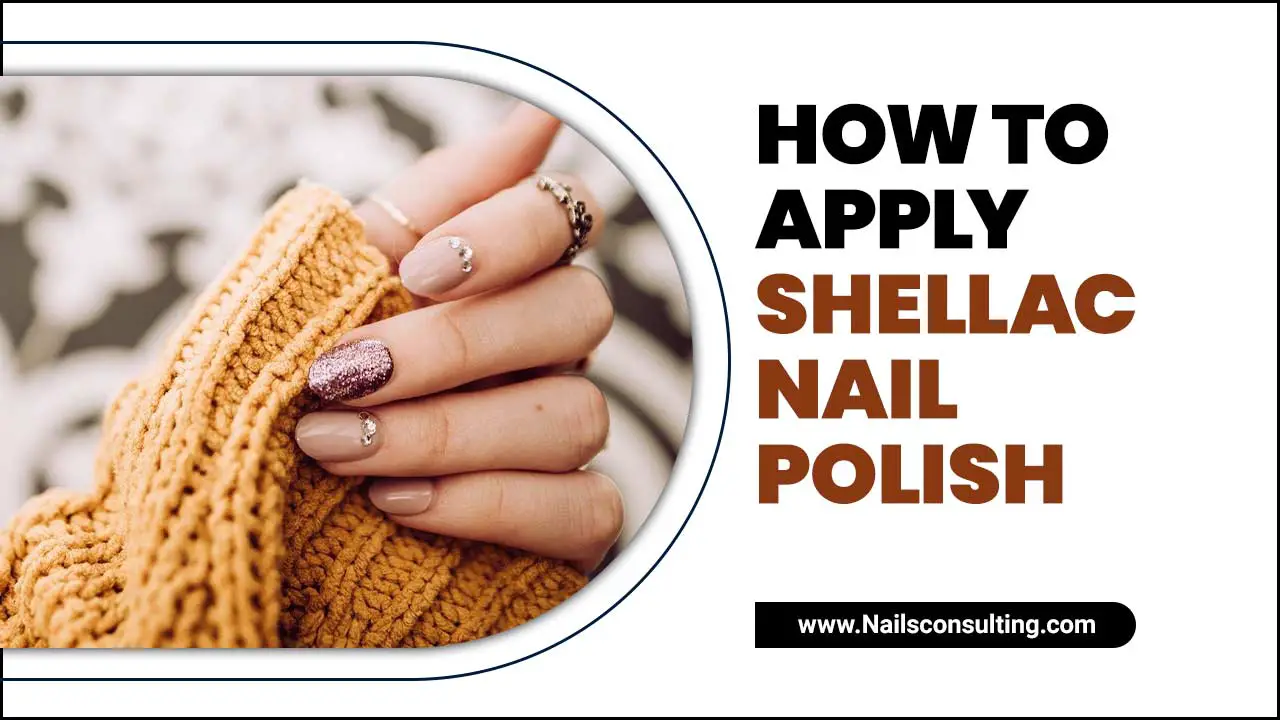
Minimal line and dot nail art on a nude base is an effortless way to elevate your manicure. This chic, versatile design is perfect for beginners seeking a sophisticated yet simple look that complements any outfit and occasion. Learn quick, foolproof tips to achieve this stylish look at home.
Ever look at those impossibly chic manicures with delicate lines and tiny dots and think, “I could never do that”? You’re not alone! Many of us admire minimalist nail art from afar, believing it requires a steady hand or professional skills. But what if I told you those elegant lines and perfect dots on a soft nude background are actually super achievable for anyone, even if you’re just starting out? It’s true! This beautiful style is all about subtle accents that make a big statement. Get ready to unlock the secrets to creating stunning, minimalist line and dot nail art on a nude base that will have everyone asking where you got your nails done.
Why Minimal Line and Dot Nail Art on Nude Base is a Winning Combo
The beauty of this nail art lies in its inherent simplicity and incredible versatility. A nude base is like a blank canvas, offering a sophisticated, neutral foundation that elongates the fingers and pairs seamlessly with virtually any color or style. When you add minimal lines and dots, you’re introducing a touch of artistry without overwhelming the look. It’s chic enough for a formal event but casual enough for everyday wear. Plus, it’s incredibly forgiving for beginners!
The Power of Nude
Nude nail polish isn’t just one color; it’s a spectrum! Finding your perfect nude shade can significantly enhance the overall look. Think of it as finding the right foundation for your skin. A shade that’s too light can wash you out, while one too dark might not feel “nude” enough. The goal is a polish that subtly enhances your natural nail bed or skin tone, creating a clean, polished appearance.
Consider these factors when choosing your nude base:
- Undertones: Does your skin have warm (yellow, peachy), cool (pink, blue), or neutral undertones? Match your nude polish accordingly.
- Opaqueness: Do you prefer a sheer, milky nude, or something more opaque that hides imperfections?
- Finish: Creamy, glossy, or matte? All can work beautifully depending on your personal style.
The Magic of Minimalism
Minimalist design is all about “less is more.” It focuses on clean lines, simple shapes, and deliberate placement. For line and dot art, this means focusing on a few well-placed elements rather than covering the entire nail. This approach makes the design look sophisticated, intentional, and never cluttered. It also means less time spent on intricate details, which is a huge win for busy bees!
Your Minimalist Nail Art Toolkit
You don’t need a professional salon setup to create stunning minimal line and dot nail art. A few key tools can make all the difference. Here’s what I recommend for a beginner-friendly experience:
| Tool | Purpose | Beginner Tip |
|---|---|---|
| Nude Nail Polish | The base color for your manicure. | Choose a shade that complements your skin tone for a seamless look. A good quality cream finish polish is usually forgiving. |
| Detail Nail Polish (Black, White, Gold, Silver) | For drawing lines and dots. | Start with classic black or white for high contrast. Metallic shades add a touch of glam. |
| Fine-Tip Nail Art Brush OR Dotting Tools | For precise application of lines and dots. | A nail art brush with a very fine tip is excellent for lines. Dotting tools come in various sizes for different-sized dots. A toothpick can substitute in a pinch! |
| Top Coat | Seals the design, adds shine, and protects polish. | A good, smudge-proof top coat will make your art last longer and look professional. |
| Cuticle Pusher & Nail File | Essential for prepping nails. | Clean cuticles and a smooth nail shape are the foundation for any great manicure. |
| Nail Polish Remover & Cotton Pads | For cleaning up mistakes. | Don’t be afraid to make mistakes – that’s what remover is for! |
Step-by-Step: Creating Your Minimal Line and Dot Masterpiece
Ready to get your hands (and nails!) on this trend? Follow these simple steps to create beautiful minimal line and dot nail art on a nude base. We’ll focus on a popular and easy design: a single delicate line with a few scattered dots.
Step 1: Prep Your Canvas
A successful manicure always starts with proper nail preparation. This ensures your polish lasts longer and the art looks clean and professional.
- Clean & File: Remove any old polish. Gently push back your cuticles with a cuticle pusher. File your nails to your desired shape. A smooth, clean surface is key!
- Base Coat (Optional but Recommended): Apply a clear base coat. This protects your natural nails from staining and provides a smooth base for your nude polish. Let it dry completely.
Step 2: Apply the Nude Base
This is where your perfect nude shade comes into play. The application here should be as flawless as possible, as it’s the foundation of your entire design.
- Apply your chosen nude nail polish. Most formulas require two thin coats for even coverage.
- Allow each coat to dry thoroughly before applying the next. This prevents streaking and air bubbles.
- Once the second coat is applied and almost dry (slightly tacky is good for art), you’re ready for the fun part!
Step 3: The Delicate Line
This is where the “minimal” aspect truly shines. We’re aiming for elegance, not overdoing it.
- Steady Your Hand: Find a stable surface to rest your painting hand on. You can even rest your pinky finger on the table.
- Dip Your Tool: Dip your fine-tip nail art brush or the tip of a toothpick into your detail polish (e.g., black, white, gold). Wipe off any excess on the edge of the bottle to avoid blobs.
- Draw the Line: Gently draw a single, thin line. Common placement options include:
- A horizontal line across the middle of the nail.
- A vertical line from the cuticle to the tip.
- A diagonal line from one corner to the other.
- Correct Mistakes: If you make a mistake, don’t panic! Dip a cotton swab or corner of a cotton pad into nail polish remover and carefully clean up the line. You can then let the nude polish dry a bit more and try again.
Step 4: Adding the Perfect Dots
Dots add a playful yet sophisticated touch. Using dotting tools or even the end of a toothpick makes creating consistent dots easy.
- Load Your Tool: Dip the tip of your dotting tool (or toothpick) into your detail polish. Again, use just enough polish to create a clean dot.
- Place Your Dots: Strategically place a few dots around your line. Some popular arrangements include:
- A few scattered dots along the line.
- A small cluster of dots near the base or tip of the nail.
- A single dot at the end of the line.
- Vary Sizes (Optional): If using dotting tools with different tip sizes, you can mix and match to create some visual interest with varied dot sizes.
- Clean Up: Use a fine-tipped brush dipped in remover to tidy up any stray marks or uneven dots.
Step 5: Seal the Deal with Top Coat
This is the final, crucial step to ensure your beautiful art stays put and looks glossy.
- Wait for the detail polish (lines and dots) to dry completely. This is important to prevent smudging. A few minutes should suffice.
- Apply a generous layer of your favorite clear top coat. Make sure to cap off the free edge of your nail by running the brush along the tip. This helps prevent chipping.
- Let your top coat dry fully. Avoid touching anything until your nails are completely dry to prevent dents or smudges.
Genius Hacks & Pro Tips for Flawless Minimalist Nails
Even with simple designs, a few clever tricks can take your nail art from “nice” to “wow!” Here are some tips to elevate your line and dot game:
1. The Power of Practice (and Patience!)
Your first attempt might not be perfect, and that’s okay! The more you practice drawing lines and making dots, the steadier your hand will become. Take your time; rushing is the enemy of good nail art.
2. Steady Hand Tricks
- Use a Hand Rest: As mentioned, resting your hand and fingers on a flat surface provides stability.
- Lean In: Position yourself at a table and lean in slightly.
- Breathe: Take a deep breath and exhale slowly as you draw your line.
- Don’t Overload Your Brush/Tool: Too much polish leads to blobs and smudges. A little goes a long way!
3. Polishing the Polish
- Thin Layers are Key: For both base coats and detail work, thin, even layers are better than one thick, gloopy one.
- Shake, Don’t Stir: If your detail polish is a bit thick, roll the bottle between your hands to mix it, rather than shaking, which can create air bubbles.
- Artist’s Fluidity: If a polish is too thick for fine lines, you can add one tiny drop of a nail polish thinner (not remover!) to revive it.
4. Mastering the Dot
Dotting tools are fantastic, but you can achieve excellent results with everyday items:
- Toothpicks: Perfect for small to medium dots.
- Ballpoint Pen Nib: The rounded tip works surprisingly well for clean dots.
- Bobby Pin: The rounded end can create larger, consistent dots.
- Pinheads: A sewing pin, depending on its size, can create very fine dots.
Always test your dot size on a piece of paper first!
5. Line Longevity
To ensure your lines look crisp and don’t smudge:
- Let it Dry: Crucially, let your nude base polish cure to a point where it’s not super sticky before drawing lines. Very light tackiness is ideal; fully dry can be slippery.
- “Float” Your Top Coat: When applying the final top coat, try not to go over the lines too many times. Use a single, smooth stroke. If you find you’re always smudging, you can wait 10-15 minutes after the art is dry before top-coating.
6. Color Palette Inspiration
While black and white are classics, don’t be afraid to experiment! Consider:
- Metallics: Gold, silver, or rose gold add instant glamour.
- Pastels: Soft pink, blue, or lavender for a whisper of color.
- Complementary Nudes: Using a slightly darker or lighter nude for lines can create a subtle, tonal effect.
7. Quick Clean-Up Crew
A small, flat brush (like a concealer brush or an old lip brush) dipped in nail polish remover is your best friend for tidying up any stray marks around the cuticle line or nail edge. For super fine adjustments, a sharpened orange wood stick can be used with a drop of remover.
8. When to Seek Professional Help (It’s Okay!)
Some nail polishes and tools perform better than others. If you’re struggling with specific polishes or finding it difficult to get thin lines, it might be worth investing in a good quality nail art polish or a specialized fine-liner brush. For example, brands like essie offer a wide range of beautiful nude shades and some polishes suitable for detail work, and many professional brands offer excellent quality brushes.
Design Variations to Spark Your Creativity
Once you’ve mastered the basic line and dot, there are endless ways to play with this minimalist concept. Here are a few ideas:
The Single Accent Line
This is the classic approach where a single, fine line is placed strategically on one or two nails, while the others remain plain nude. It’s incredibly chic and understated.
The ‘Constellation’ Effect
Cover one or two nails with scattered dots of varying sizes, mimicking a starry night sky. Keep the colors sophisticated, like metallic dots on a nude base.
The Geometric Touch
Use straight lines to create simple geometric shapes, like a small triangle at the base of the nail or a few parallel lines running horizontally. This adds a modern, architectural feel.
The French Tip Twist
Instead of a thick white tip, use a fine line of your detail color to recreate the French manicure shape. Or, place a delicate line just above the cuticle.
The Negative Space Play
Leave a small section of the nail bare (without the nude polish) and draw a line or dotting around it. This creates an interesting contrast and depth.
Maintaining Your Minimalist Manicure
Keeping your gorgeous nails looking fresh is all about a little TLC:
- Wear Gloves: Protect your nails (and your art!) when doing chores, washing dishes, or gardening.
- Avoid Harsh Chemicals: Nail polish remover is great for mistakes, but prolonged exposure to strong cleaning agents can dull polish and weaken nails.
- Moisturize: Keep your cuticles and hands hydrated with cuticle oil and hand cream. Healthy cuticles make for a neat-looking manicure.
- Reapply Top Coat: If you notice your top coat is losing its shine after a few days, carefully apply another thin layer to refresh the look and add extra protection.
Frequently Asked Questions About Minimal Line and Dot Nail Art
Q1: What is the best type of nail polish for drawing fine lines?
For best results, use a specialized nail art polish with a thin, brush applicator, or a standard polish with a very fine-tip nail art brush or a sharpened toothpick. Thinner consistency polishes work better for fine lines.
Q2: How do I prevent smudging when applying the top coat?
Ensure your detail polish lines and dots are completely dry before applying top coat. You can also wait 5-10 minutes after the art is dry. Apply the top coat in one or two smooth, fluid strokes per nail without going back and forth too much. Letting the top coat “float” over the design with minimal contact can prevent smudging.
Q3: Can I use regular nail polish instead of specific nail art polish?
Yes! Regular nail polish can absolutely be used with the right tools. You’ll get the best results with a good quality polish that isn’t too thick. You might need to thin it slightly with a nail polish thinner if it’s too gloopy, but be very careful not to overdo it.
Q4: My lines are wobbly. How can I get them straight?
Achieving perfectly straight lines takes practice and stability. Rest your hands and fingers on a stable surface. Dip your brush or tool sparingly in polish. Draw the line in one continuous motion if possible. If you make a mistake, clean it up immediately with a brush dipped in remover and try again once the base is slightly more set.
Q5: How many nails should I decorate with lines and dots?
This is entirely up to your preference! For a very subtle look, decorate only one accent nail. For a bit more flair, two or three nails. You can also do a simple line or dot on every nail for a coordinated but still minimalist effect.
Q6: What’s the best way to clean my nail art brushes?
Clean your nail art brushes immediately after use