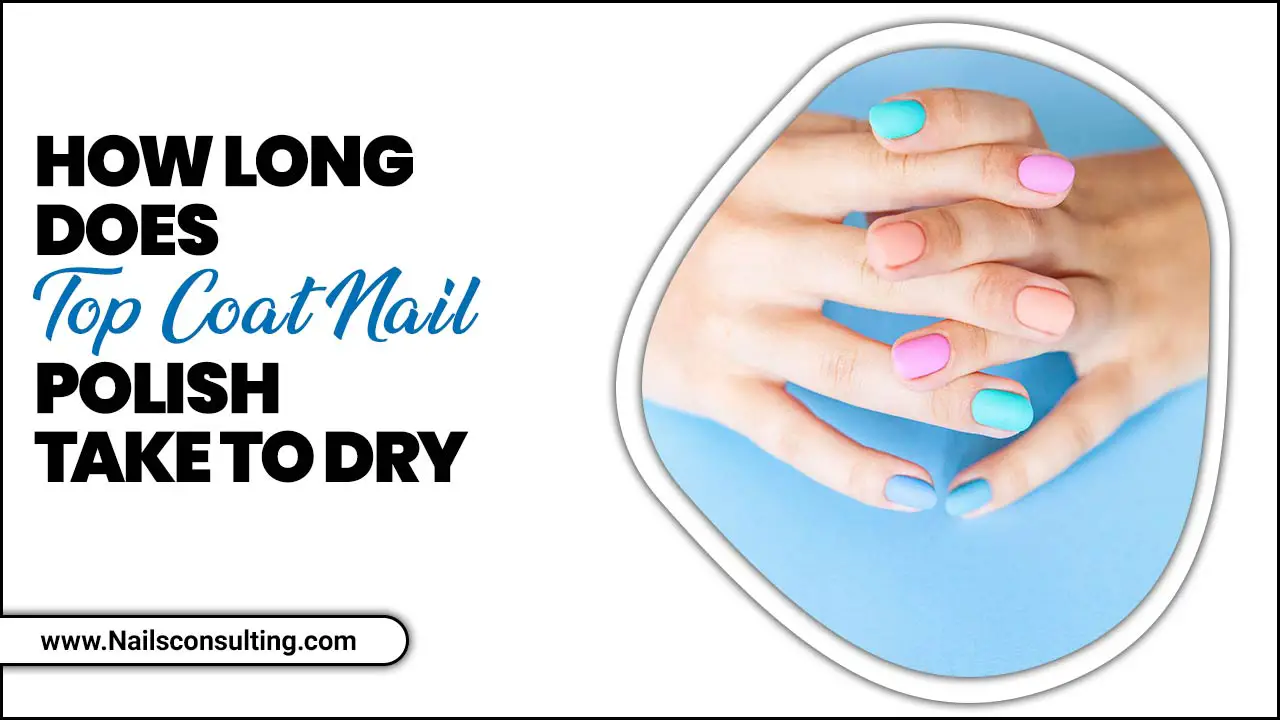
Marble nails with subtle pastel accents are a chic and artistic way to elevate your manicure. These designs mimic the natural swirls and veins of marble stone, but with the soft, dreamy hues of pastels. They’re beginner-friendly, endlessly customizable, and perfect for adding a touch of elegance to any outfit.
Ever scroll through nail art inspiration and feel a little intimidated by complex designs? You’re not alone! Sometimes, you just want a manicure that looks sophisticated and stylish without needing a degree in nail art. That’s where marble nails come in. They have that art gallery vibe, but with a simple twist, they can be incredibly easy to achieve. And when we add soft pastel colors? Pure magic! It’s like having tiny, beautiful pieces of art right at your fingertips. We’re going to break down exactly how you can create these lovely marble nails with subtle pastel accents. Get ready to impress yourself and everyone around you with your new skills!
Why Pastel Marble Nails are Your Next Go-To Manicure
Pastel marble nails offer a beautiful blend of natural elegance and playful charm. The classic marble effect, with its intricate veining and organic patterns, provides a sophisticated base. When you infuse this with soft pastel shades like baby blue, mint green, soft pink, or lavender, the result is a manicure that’s both refined and whimsical. It’s perfect for those who love a bit of artistry but prefer a more understated, dreamy aesthetic. These designs can range from subtle hints of color to more pronounced swirls, making them incredibly versatile for any occasion, from a casual day out to a special event.
The beauty of pastel marble lies in its adaptability. No two marble patterns are exactly alike, which means your nails will be truly unique. This inherent originality is a huge part of its appeal. Furthermore, pastel colors are universally flattering and convey a sense of calm and serenity, making them a great choice for everyday wear. They are gentle on the eyes and add a soft, ethereal touch to your overall look. If you’ve been searching for a nail design that’s stylish, easy to execute, and offers a personalized artistic flair, then pastel marble nails are definitely the answer.
Gathering Your Pastel Marble Nail Essentials
Before we dive into the fun part, let’s make sure you have everything you need. Think of this as your starter kit for creating beautiful marble nails. You don’t need a whole salon’s worth of equipment; just a few key items will do!
Essential Tools for Marble Nail Art
- Base Coat: This protects your natural nails and helps your polish adhere better.
- Pastel Nail Polishes: Choose at least two or three colors that complement each other. Think pale pink, light blue, mint green, or soft lavender.
- White Nail Polish: A good opaque white is crucial for creating the marble effect.
- Clear Top Coat: This seals your design and adds a beautiful shine.
- Thin Nail Art Brush or Toothpick: For drawing the delicate marble veins. A fine-tip brush offers more control.
- Small Cup or Palette: To mix your polish colors if needed, or to spread small amounts onto.
- Nail Polish Remover and Cotton Swabs: For cleaning up any mistakes.
- Optional: Clear Gel Polish and UV/LED Lamp: If you prefer gel manicures for longer wear and quicker drying times.
Having the right tools makes all the difference. It’s like having the right ingredients for a delicious recipe – it sets you up for success! Don’t worry if you don’t have a fancy nail art brush; a simple toothpick can work wonders for beginners.
Step-by-Step Guide: Creating Effortless Pastel Marble Nails
Ready to get creative? Follow these simple steps to achieve stunning marble nails with that perfect pastel touch. We’ll keep it easy and fun!
Step 1: Prep Your Nails
Start with clean, dry nails. Push back your cuticles gently and file your nails to your desired shape. Apply a thin layer of your favorite base coat. Let it dry completely. This step is super important for a long-lasting manicure.
Step 2: Apply Your Base Color
Choose one of your pastel shades as your base color. Apply one or two thin coats, allowing each to dry thoroughly. A pale mint green or a soft baby pink looks lovely as a base for pastel marble designs.
Step 3: Create the Marble Effect
This is where the magic happens! You have a couple of easy ways to do this:
Method 1: The Water Marble Technique (Slightly More Advanced, but Gorgeous!)
- Fill a small cup with lukewarm water.
- Add a few drops of your white polish and a few drops of your pastel polishes onto the water’s surface. Don’t stir!
- Use a toothpick to gently swirl the colors together into a marble pattern.
- Dip your nail into the center of the swirling polish.
- Carefully remove your finger, pulling straight up.
- Use a cotton swab dipped in nail polish remover to clean up any excess polish around your finger.
- Let it dry completely before moving to the next step.
Method 2: The Brush/Toothpick Swirl (Easier for Beginners!)
- On a clean surface (like a piece of foil or a palette), place small dots of your white and pastel polishes next to each other.
- Dip the tip of your fine nail art brush or toothpick into the white polish.
- Gently drag the brush/toothpick through the pastel color(s), creating swirls. Don’t over-mix; you want distinct lines.
- Now, carefully pick up a small amount of this swirled polish mix onto your brush/toothpick.
- Gently dab or swirl this onto your base-colored nail. Think of creating thin, organic lines and shapes.
- Repeat this process on other nails, varying the patterns. Clean your brush/toothpick between applications!
Remember, the key is to be light-handed and not overdo it. You want those beautiful, flowing lines, not a muddy mess.
Step 4: Add Accent Lines (If Needed)
Once your main marble pattern is dry, use your thin brush or toothpick dipped in white or a contrasting pastel polish to add finer lines or dots. This can enhance the marble look and add more dimension. Think of adding delicate silver or gold foil flakes at this stage for an extra bit of sparkle!
Step 5: Seal the Deal with a Top Coat
Once you’re happy with the marble design and it’s completely dry, apply a generous layer of clear top coat. This will protect your artwork, add shine, and make your manicure last longer. For gel polish, cure it under your UV/LED lamp according to the manufacturer’s instructions.
Step 6: Clean Up and Admire!
Use a small brush or cotton swab dipped in nail polish remover to clean up any polish that has gotten onto your skin. Step back and admire your beautiful, DIY pastel marble nails!
Tips for Achieving the Perfect Pastel Marble Look
Achieving a professional-looking marble effect is all about practice and a few clever tricks. Here are some insider tips to help you nail the look:
- Less is More with Polish: When creating your marble swirls, use only a small amount of polish on your brush or toothpick. Too much polish will make it difficult to control and can create a clumpy effect.
- Work Quickly: Nail polish starts to dry fast! Have all your colors ready to go and work efficiently to get the swirls before the polish becomes too thick.
- Embrace Imperfection: Real marble isn’t perfect, and neither are these designs! Don’t stress if every swirl isn’t exactly the same. The unique, organic nature is what makes them so beautiful.
- Color Combinations: Soft pastels almost always look good together. Try pairing a pale blue with white and a hint of lilac, or a peachy pink with white and soft coral. Think about the colors of a sunrise or a dreamy sky.
- Use Quality Polish: Good quality polishes, especially white and clear top coats, can significantly impact the ease of application and the final look. Brands like OPI, Essie, or Sally Hansen are known for their reliable formulas.
- Practice on Fake Nails: If you’re nervous about trying it on your actual nails, grab some tip extensions or even just some paper and practice the swirling technique first.
- Water Marble Caution: If opting for the water marble technique, be sure to protect your cuticles with a layer of Elmer’s glue or a specialized cuticle guard. This makes cleanup much easier.
These tips should give you the confidence to experiment and find your own favorite marble nail techniques!
Troubleshooting Common Marble Nail Issues
Even with the best intentions, sometimes things don’t go exactly as planned. Don’t fret! Here’s how to fix common marble nail problems:
| Problem | Cause | Solution |
|---|---|---|
| Polish is too thick/sticky and won’t swirl. | Polish is old, or too much was used. | Add a drop or two of nail polish thinner (not remover!). Use less polish overall when swirling. |
| Veins are not distinct/look muddy. | Colors were over-mixed, or polish was applied too thickly. | Swirl gently and quickly. Use minimal polish. For the brush method, try dabbing rather than swirling onto the nail. |
| Marble pattern looks too uniform. | Not enough variation in color placement or swirl technique. | Try different pastel combinations. Vary the amount of white and pastel used. Experiment with water marbling for more organic patterns. Ensure you use different amounts of each color on your palette or water. |
| Excess polish on skin is hard to clean. | Did not use a protective barrier; waited too long to clean. | Apply Elmer’s glue, liquid latex, or cuticle balm around your nails BEFORE you start. Clean up immediately after applying the marble effect. |
| Top coat smudges the design. | The design layer was not completely dry. | Allow the marble design to dry for at least 5-10 minutes before applying the top coat. For gel, ensure proper curing. You can also use a “glaze” top coat which is thinner and less likely to smudge. |
| The marble effect is too faint. | Not enough white polish used, or the pastel colors are too translucent. | Ensure you have a good contrast between your white and pastel colors. Use a well-pigmented white polish. You may need to apply a thin layer of white polish before adding your pastel swirls. |
Troubleshooting is a normal part of learning any new skill. By understanding these common pitfalls, you can easily correct them and continue creating beautiful nail art!
Variations: Beyond Basic Pastel Marble
Once you’ve mastered the basic pastel marble effect, you can play around with variations to make your nails even more unique. Here are some ideas to spark your creativity:
Ombre Marble: Blend two pastel colors together before creating the marble effect for a softer, gradient look. This adds an extra layer of depth and sophistication.
Metallic Accents: Introduce fine lines or flecks of metallic polish (gold, rose gold, silver) or foil into your marble swirls for a touch of glamour. This is particularly stunning against pastel backgrounds.
Glitter Veins: Instead of white polish, use a fine glitter polish to create the marble veins. This adds a subtle sparkle that catches the light beautifully.
Matte Finish: After applying your top coat, switch to a matte top coat for a sophisticated, velvety finish that gives pastel marble a modern, edgy feel.
Nail Art Stickers/Stamps: For an even simpler approach, use marble pattern nail stickers or stamping plates with pastel colors. These pre-made designs can be fantastic for beginners.
Gemstone Inspo: Look at photos of real gemstones like amethyst, rose quartz, or moonstone for inspiration on color palettes and swirl patterns. For example, rose quartz often has delicate pink and white veins, making it a perfect model for pastel marble.
Minimalist Marble: Don’t feel like you need to marble every single nail. Try a single accent nail with a pastel marble design on an otherwise neutral or solid pastel manicure. This is incredibly chic and understated.
Color Blocking with Marble: Combine a color-blocked design where one section of the nail is a solid pastel and another section features your marble art. This creates a visually interesting contrast.
Exploring these variations allows you to constantly refresh your manicure and adapt the pastel marble trend to your personal style. For more on color theory and combining shades effectively, resources like https://www.colormatters.com/ can be very illuminating.
Maintaining Your Pastel Marble Manicure
To keep your beautiful pastel marble nails looking fresh and gorgeous for as long as possible, a little care goes a long way. Remember, your nails are now little works of art, so treat them with kindness!
- Moisturize Regularly: Dry hands and cuticles can make any manicure look tired. Apply cuticle oil and hand cream daily, especially after washing your hands.
- Wear Gloves: When doing chores that involve water or harsh chemicals (like washing dishes or cleaning), wear rubber gloves. Water and cleaning products can weaken the polish and lift the edges.
- Avoid Picking: Resist the urge to pick at or peel off your polish, especially if it starts to chip. This can damage your natural nail underneath.
- Gentle Filing: If you need to trim or file your nails, be gentle. Use a fine-grit file and file in one direction to avoid snagging or lifting the polish.
- Touch-Ups: If you notice a small chip or scratch, you can often do a small touch-up with your top coat. For more significant damage, it might be time for a fresh coat!
- Reapplication: Even with the best care, nail polish typically lasts about 1-2 weeks before showing signs of wear. Enjoy your design while it lasts, and then have fun creating a new one!
Proper maintenance ensures your stunning pastel marble nails remain a chic statement for days to come.
FAQ: Your Pastel Marble Nail Questions Answered
Q1: How do I get my marble nails to look like real marble?
A1: Real marble has natural, flowing veins. To mimic this, use thin, irregular lines for your swirls rather than thick, uniform ones. Experiment with different shades of white and pastels to create depth, just like natural stone.
Q2: Can I use regular nail polish for water marbling, or do I need special polish?
A2: Regular nail polish works fine for water marbling! However, some polishes are more suitable than others. Newer polishes generally swirl better than very old, thick ones. Opaque formulas, especially white, tend to create the best contrast.
Q3: My marble swirls are clumpy. What am I doing wrong?
A3: This usually happens when the polish is too thick, or you’re using too much. Try adding a drop of nail polish thinner to your polish bottle. When creating your swirls, use minimal amounts of polish on your toothpick or brush.
Q4: How long should I let my marble nail polish dry before applying a top coat?
A4: For regular polish, it’s best to wait at least 5-10 minutes after the marble design is complete. If you’re finding it smudges easily, wait even longer, or try a very thin, quick-drying top coat. Gel polish requires curing under a lamp.
Q5: What are the best pastel color combinations for marble nails?
A5: Classic combinations include baby blue and white with a hint of lavender, soft pink and white with a touch of peach, or mint green and white with pale coral. Think about colors found in nature, like sunsets or serene landscapes, for beautiful inspiration.
Q6: I’m a total beginner. Which marble technique is easiest?
A6: The brush or toothpick swirl method (Method 2 in our tutorial) is generally easier for beginners. It gives you more control over where the swirls go on the nail, and it’s less messy than water marbling.
These FAQs should help clear up any lingering doubts and give you the confidence to try this elegant nail art!
Conclusion: Embrace Your Inner Artist with Pastel Marble Nails
There you have it! Creating stunning marble nails with subtle pastel accents is not only achievable but also a wonderfully rewarding creative process. From the careful selection of soft hues to the delicate dance of swirls on your nails, each step allows for personal expression. Whether you’re a seasoned nail art enthusiast or embarking on your DIY manicure journey,