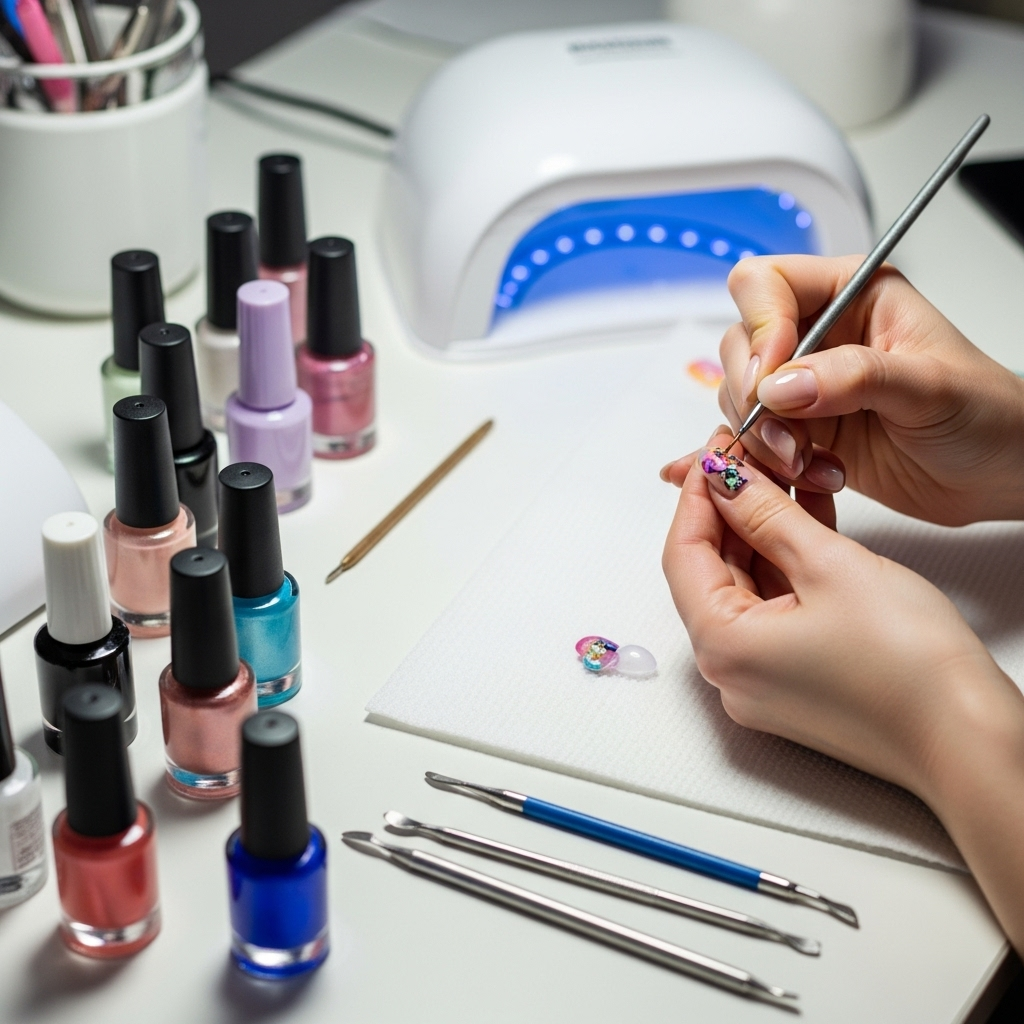
Long nails with negative space stripes offer a chic, modern look with a surprising amount of design flexibility. This trend uses part of your natural nail as the design element, creating a sophisticated depth and visual interest that’s easier to achieve than you might think. Get ready to master this stylish technique for a salon-worthy manicure at home.
Want to jazz up your long nails with a sophisticated, modern twist? Long nails with negative space stripes are the answer! Think clean lines, a touch of artistry, and a style that subtly turns heads. This trend is perfect for anyone looking to elevate their manicure without going overboard. If you’ve ever admired those chic, almost architectural nail designs and wondered how to get them, you’re in the right place. We’ll break down exactly how to create these stunning looks, making it super simple for beginners. Get ready to feel like a nail pro!
What Exactly Are Negative Space Stripes on Nails?
Negative space stripes are a nail art design where a portion of your natural nail (or a clear polish) is left bare, acting as a design element itself. Instead of filling the entire nail with polish, you’re creating patterns and shapes by strategically placing colored polish around these empty areas. For long nails, this technique is particularly striking because the extended length provides a larger canvas to play with bold lines, geometric patterns, and contrasting colors.
Imagine a crisp, clean line of deep navy polish running diagonally across your nail, but instead of continuing all the way to the edges, it stops, leaving a sliver of your natural nail bed exposed. That exposed part is the “negative space.” When done with stripes, these bare sections create a sense of depth and illusion, making your manicure look intentionally designed and incredibly chic. It’s a versatile trend that can be as minimalist or as bold as you like, perfectly complementing those elegant long nail shapes like stilettos or almond.
Why We Love Long Nails with Negative Space Stripes
This trend isn’t just about looking good; it’s about smart, stylish design. Here’s why long nails with negative space stripes are a total win:
- Sophisticated & Modern: It’s an instant upgrade from a simple solid color. The clean lines and intentional gaps feel very current and high-fashion.
- Versatile Designs: You can create countless looks, from simple thin stripes to intricate geometric patterns. Think bold color pops or subtle, tonal variations.
- Visually Lengthening: The diagonal or vertical lines naturally draw the eye, making long nails appear even longer and more elegant.
- Easy to Adapt: It works beautifully with various nail shapes and lengths, but truly shines on longer nails where the negative space has room to breathe.
- Beginner-Friendly: While they look complex, the core technique is surprisingly manageable, especially with a few helpful tips.
- Durability Trick: Sometimes, the negative space can make chips less noticeable, giving you a little extra time before a touch-up is needed!
Essential Tools for Your Negative Space Mani
Before we dive into the how-to, let’s gather your nail arsenal. Having the right tools will make creating those crisp lines and clean gaps so much easier. Don’t worry, you likely have some of these already!
For Prep:
- Nail File: To shape your long nails to perfection.
- Nail Buffer: For smoothing the nail surface.
- Cuticle Pusher/Orange Stick: To gently push back cuticles for a clean nail bed.
- Nail Polish Remover & Cotton Pads: To ensure a clean, oil-free canvas.
For Application:
- Base Coat: Essential for protecting your natural nail and helping polish adhere.
- Top Coat: To seal your design, add shine, and prevent chipping.
- Colored Nail Polishes: Choose 2-3 contrasting or complementary colors.
- Fine-Tipped Nail Art Brush or Striping Tape: This is key for creating sharp, precise lines. A striping tape offers a foolproof way to get straight lines.
- Dotting Tool (Optional): For adding small accent dots or cleaning up edges.
- Clean-up Brush: A small, flat brush (like a concealer brush) dipped in nail polish remover for tidying up mistakes around the cuticle and sidewalls.
Helpful Extras:
- Quick-Dry Drops: These can speed up the drying process between coats, which is super helpful for intricate designs.
- Clean Paper Towel or Palette: To spread out small amounts of polish for your brush.
Step-by-Step: How to Create Long Nails with Negative Space Stripes
Ready to get creative? This guide will walk you through creating beautiful long nails with negative space stripes. We’ll cover two main methods: using striping tape (super easy for beginners!) and freehanding with a brush.
Method 1: Using Striping Tape (The Foolproof Way)
Striping tape is your best friend for achieving perfectly straight, crisp lines. It’s a secret weapon for a professional-looking finish.
- Prep Your Nails: Start with clean, dry nails. File them to your desired long shape, buff lightly, and push back your cuticles. Apply a thin layer of base coat and let it dry completely.
- Apply Your First Color or “Negative Space” Base: Decide if you want your “negative space” to be your natural nail or a clear polish. If using your natural nail, you can skip this step. If you prefer a clear base, apply a thin layer of clear polish and let it dry. Alternatively, you could apply a sheer nude polish as your base.
- Apply the First Polish Color: Paint your entire nail with your first chosen polish color. This will be the color peeking through or next to the negative space. Let this coat dry thoroughly – this is crucial. If it’s still tacky, the tape will pull it off.
- Apply the Striping Tape: Carefully lay down strips of nail art tape onto the dried polish. Press the edges down firmly to ensure a good seal. You can place them horizontally, diagonally, or vertically. Experiment with different placements and widths.
- Apply Your Second Color: Now, paint over the striping tape and the exposed polish with your second color. Make sure to coat evenly over the tape.
- Remove the Tape (Carefully!): While the second color is still wet, use tweezers or your clean fingertips to gently peel off the striping tape. Pull slowly at an angle away from the painted area. If you wait for the second color to dry, the tape might stick and ruin the line.
- Let it Dry Completely: Allow the second polish color to dry thoroughly.
- Apply Top Coat: Once everything is bone dry, apply a generous layer of top coat to seal the design, add shine, and protect your beautiful stripes. Apply carefully to avoid smudging the lines.
Method 2: Freehanding with a Nail Art Brush
This method requires a bit more steady hands but offers ultimate creative freedom. Practice makes perfect!
- Prep Your Nails: Same as Method 1 – clean, shaped nails with base coat.
- Apply Your Base Color: Paint your nails with your chosen base color (or clear polish). Let it dry completely until it’s not tacky to the touch.
- Prepare Your Polish: Squeeze a tiny amount of the color you want to use for your stripes onto a clean palette, piece of foil, or even a paper towel.
- Load Your Brush: Dip your fine-tipped nail art brush into the polish. You want just enough polish to create a clean line without being gloopy. Wipe off excess on the edge of the polish bottle or your palette.
- Create Your Stripes:
- Bring the brush to the nail where you want the stripe to start.
- Gently press and draw a line across the nail. For clean lines, try to do it in one smooth motion.
- Consider leaving gaps where you want the negative space. You can create clean edges by stopping the stripe before the edge of the nail.
- Alternatively, you can paint a full stripe and then use a clean-up brush dipped in nail polish remover to carefully carve out the negative space area.
- Add More Stripes (Optional): Repeat step 5 to add more stripes, ensuring you leave intentional gaps for negative space. Let each stripe dry slightly before adding another, especially if they are close together, to avoid smudging.
- Clean Up Edges: Dip your clean-up brush (the one you’ll lightly load with polish remover) into nail polish remover. Carefully use this to tidy up any wobbly lines, stray polish on your skin, or to sharpen the edges of your negative space. This step is a game-changer for a professional finish!
- Let it Dry: Allow all the painted stripes to dry completely.
- Apply Top Coat: Finish with a protective layer of top coat. Be mindful not to drag too much product over the lines, which can sometimes cause them to blur slightly.
Design Ideas to Inspire Your Long Nails
The “negative space stripes” concept is incredibly versatile. Here are some ideas to get your creative juices flowing for your long nails:
Minimalist Chic
Description: Think clean, simple lines with plenty of exposed nail. This is the easiest way to try the trend.
- Design: One or two thin, crisp lines (vertical or diagonal) in a metallic shade (gold, silver) or a classic black or white against your natural nail.
- Why it works: It’s elegant, subtle, and incredibly sophisticated. Great for everyday wear.
Bold Geometric
Description: Play with shapes and angles to create a more complex, art-inspired look. Long nails are perfect for this!
- Design: Use striping tape to create a series of interlocking shapes like triangles, squares, or chevrons. Leave sections bare or fill them with contrasting colors. Try a bold color split, where half the nail is one color and the other half is a different color with a stripe dividing them.
- Why it works: Makes a statement and showcases your nail length beautifully.
French Mani Twist
Description: A modern take on the classic French manicure. Forget the solid white tip!
- Design: Instead of a solid tip, create a thinstripe along the free edge of your nail, leaving the rest of the nail bare or covered in a sheer polish. Or, try a diagonal stripe that cuts across the tip area.
- Why it works: It’s a subtle yet impactful update that keeps the elegance of a French tip.
Color Block & Stripe
Description: Combine solid blocks of color with strategic negative space stripes.
- Design: Paint one section of your nail a solid color, then use tape or a brush to create sharp-edged stripes that run into a negative space area. You could have a bold color block on the cuticle end with a stripe extending towards the tip, leaving the tip bare.
- Why it works: Creates depth and visual interest, allowing for playful color combinations.
Ombre with a Stripe
Description: Blend smooth color transitions with sharp lines. This is advanced but stunning.
- Design: Create a subtle ombre effect (e.g., pink to nude), then add a fine metallic stripe (gold or silver) either cutting through the ombre or running along the side. The negative space could be a small accent near the cuticle.
- Why it works: Adds an unexpected, modern edge to a soft, blended design.
Tables to Help You Visualize
To make understanding the design possibilities even easier, here are a couple of tables summing up common stripe placements and color palettes.
| Stripe Placement | Visual Effect | Best For |
|---|---|---|
| Horizontal | Visually shortens the nail slightly, good for accentuating width. | Square or squoval nail shapes. Often used in color-blocking. |
| Vertical | Makes the nail appear longer and slimmer. Classic for elegance. | Almond, stiletto, coffin shapes. Very versatile. |
| Diagonal | Dynamic and eye-catching. Can make nails look longer. | All long nail shapes. Great for adding an edgy feel. |
| Chevron/V-Shape | Creates a focal point. Can draw attention to the nail tip. | Especially effective on pointed or coffin nails. |
| Geometric (Multiple Lines/Shapes) | Modern, abstract, and artistic. | Allows for maximum creativity on any long nail shape. |
Choosing the right color combination is just as important as placement. Here are some popular pairings:
| Base Color/Negative Space | Stripe Color(s) | Vibe |
|---|---|---|
| Natural Nail/Clear | Black, White, Metallic Gold or Silver | Minimalist, Chic, Everyday Glam |
| Sheer Nude/Milky White | Deep Burgundy, Emerald Green, Navy Blue | Sophisticated, Luxurious, Evening Ready |
| Pastel (e.g., Baby Blue, Mint) | White, Silver, Contrasting Pastel (e.g., Pink) | Fresh, Playful, Spring/Summer Vibes |
| Bold Color (e.g., Red, Cobalt) | Black, White, or a Contrasting Metallic | Edgy, Confident, Statement Making |
| Clear/Sheer with a hint of shimmer | Rainbow or Iridescent Polish | Fun, Whimsical, Unique |
Tips for Perfect Negative Space Stripes on Long Nails
Achieving salon-quality results at home is totally doable with a few insider tricks. Here are some of my favorite tips to make your long nails with negative space stripes shine:
- Patience is Key: The most important tip! Always wait for each layer of polish to dry COMPLETELY before applying tape or new polish. A tacky layer will lead to smudges and lifted polish.
- Thin Coats are Better: Apply your colored polishes in 2-3 thin coats rather than one thick one. Thin coats dry faster and more evenly, leading to cleaner lines.
- Seal That Tape: When using striping tape, press down firmly all around the edges. This prevents polish from seeping underneath.
- Peel Tape While Wet: For the tape method, the magic happens when you peel the tape off while the last coat of polish is still wet. This ensures a clean, sharp break.
- Invest in Good Brushes: A good quality fine-tipped nail art brush or a striping brush can make all the difference for freehanding.
- Dip Your Clean-up Brush in Remover: Keep your clean-up brush slightly damp with nail polish remover, not soaking wet. This allows for precise editing around your nails and lines.
- Practice on Tips First: If you’re nervous about freehanding, grab some false nail tips and practice your stripe technique on those before tackling your actual nails.
- Consider a Sheer Base: A sheer nude, pink, or milky white polish as your base can help disguise any imperfections in your natural nail and make the negative space look more intentional. Check out what beauty experts recommend for base coats. NailPro discusses some excellent base coat options.
- Top Coat Wisely: Apply your top coat in smooth, even strokes. For very intricate designs, you might even use a “gel