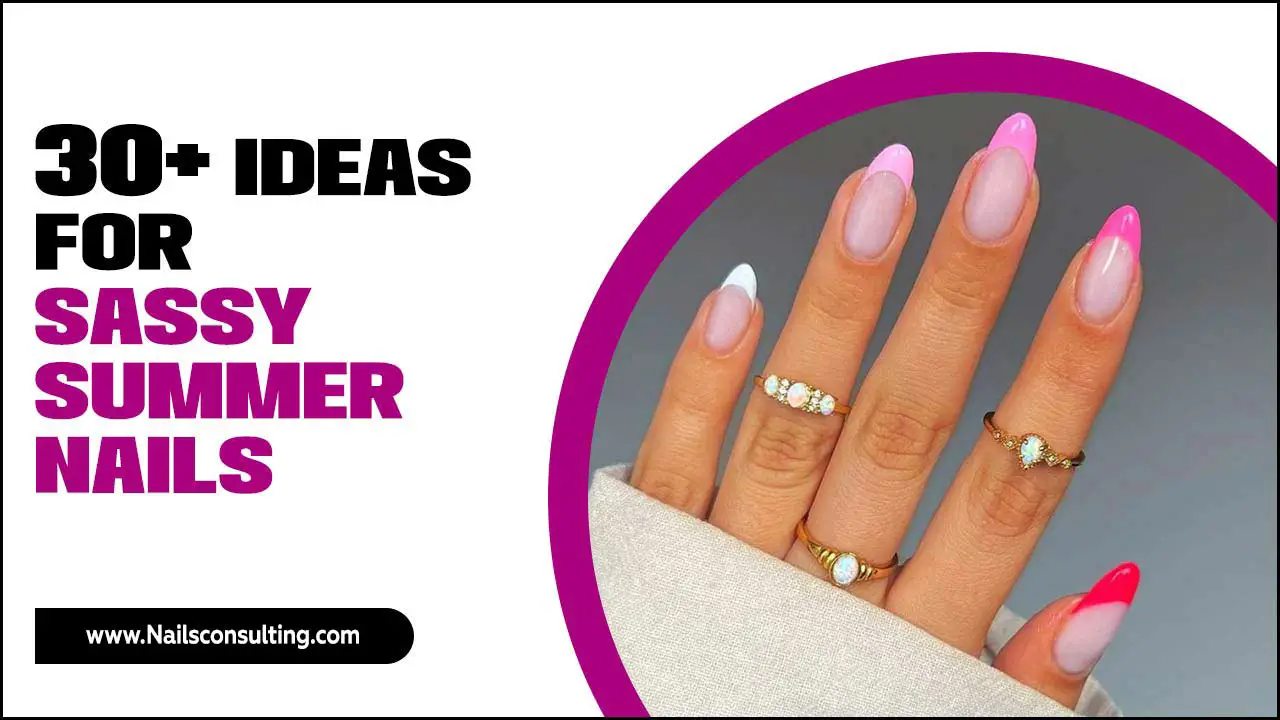
Gradient French tip nail art is an easy, stylish update to the classic French manicure. Achieve a beautiful, blended look at home with simple tools and techniques, creating a sophisticated finish that’s perfect for any occasion.
Love the chic look of French tips but want to add a touch of modern flair? You’re in the right place! The classic French manicure is timeless, but sometimes we crave something a little… different, right? That’s where gradient French tips come in. They offer all the elegance of a French tip, but with a soft, blended color transition that feels fresh and totally on-trend. If you’ve ever thought nail art was too complicated, get ready to be pleasantly surprised. We’re going to break down how to create this stunning look yourself, step-by-step. It’s simpler than you think, and the results are absolutely beautiful!
What Exactly is Gradient French Tip Nail Art?
Imagine the classic French tip – that crisp white line at the edge of your nail. Now, instead of a solid line, picture a smooth, seamless blend of colors. That’s the magic of gradient French tip nail art! It’s a beautiful fusion of two popular techniques: the French manicure and the gradient (or ombré) effect. Instead of a stark division between the nail bed color and the tip, you get a soft, diffused transition, like a sunset captured on your fingertips. This creates a more delicate, sophisticated, and modern take on a beloved nail staple.
This technique allows for endless creativity. You can choose soft, ethereal pastels for a romantic vibe, bold neons for a playful pop, or even classic nudes and whites for a subtle, everyday upgrade. The key is the smooth color transition, which gives your nails a professional, salon-quality finish without requiring advanced artistic skills.
Why You’ll Love Gradient French Tips
There are so many reasons this trend has captured the hearts of nail lovers everywhere. For starters, it’s incredibly versatile. Whether you’re heading to a formal event, a casual brunch, or just want to brighten your day-to-day look, gradient French tips can be adapted to suit any style. Plus, they offer a fantastic way to experiment with color without committing to a full-nail application of a bolder hue. Here’s why you should give them a try:
- Sophisticated & Modern: It’s a fresh twist on a classic, adding an instant layer of chic to your manicure.
- Customizable: Mix and match colors to create a look that’s uniquely yours.
- Beginner-Friendly: The blending technique is surprisingly easy to master, even for first-timers.
- Flattering: The soft transition can visually elongate the nail.
- Versatile: Works for casual days, special occasions, and everything in between.
Gather Your Gradient French Tip Toolkit
Before we dive into the fun part, let’s make sure you have everything you need for a successful gradient French tip session. Don’t worry, you probably already have most of these items in your nail polish collection! If not, they are easy to find at any drugstore or beauty supply store. Investing in good base and top coats is always a smart move for a long-lasting manicure.
Essential Tools:
- Base Coat: To protect your natural nails and help polish adhere better. A good quality base coat can prevent staining and create a smooth canvas.
- Nail Polish Colors: At least two colors are needed for the gradient effect. Typically, this will be a nude or sheer pink for the base of the nail and a chosen color for the tip transition.
- Cosmetic Sponge or Makeup Sponge: A regular makeup sponge, cut into small pieces, works perfectly for creating the gradient blend. A dedicated nail art sponge can also be used.
- Top Coat: To seal the design, add shine, and protect your manicure from chipping.
- Nail Polish Remover: For cleaning up any mistakes.
- Cotton Swabs or Small Brush: For precise cleanup around the cuticle and nail edges.
- Optional: Nail File & Buffer: For shaping and smoothing natural nails before application.
Choosing the right colors is half the fun! For a subtle gradient, try a sheer pink base with a slightly darker pink or peach for the blend. For something bolder, a milky white base with a vibrant coral or a soft lavender gradient can be stunning. Consider how the colors will complement your skin tone or your outfit.
Step-by-Step: Creating Your Gradient French Tips
Ready to create some magic? Follow these simple steps, and you’ll have gorgeous gradient French tips in no time. Remember, patience and practice make perfect, so don’t be discouraged if your first attempt isn’t flawless. Just have fun with it!
Step 1: Prep Your Canvas
Start with clean, dry nails. Push back your cuticles gently using a cuticle pusher. File your nails to your desired shape. Buff the surface of your nails lightly to create a smooth base for the polish. Apply a thin layer of your favorite base coat and let it dry completely. This step is crucial for a long-lasting manicure and to prevent your natural nails from getting stained.
Step 2: Apply the Base Color
Paint your nails with your chosen base color – usually a sheer pink, nude, or milky white. Apply one or two thin coats, allowing each to dry completely. This will be the foundation of your gradient look.
Step 3: Prepare Your Gradient Tool
Cut a piece of your cosmetic sponge. A small piece, about 1-2 inches square, is usually sufficient. If the sponge has a rough side and a smooth side, the smoother side is often better for a finer blend. You can also opt for specialized nail art sponges, which come in various textures and shapes.
Step 4: Apply Colors to the Sponge
This is where the gradient magic happens! On a piece of foil or a palette, apply thin stripes of your two chosen nail polish colors directly next to each other. For a French tip gradient, place your base color stripe near one edge of the sponge and your tip color stripe right next to it. You might need to experiment with the placement to get the blend you desire, especially around the edge that will touch your nail.
Nailerguy Tip: Don’t overload the sponge with polish. Thin, even layers are key for a smooth blend. You can always add more polish to the sponge if needed.
Step 5: Blend Onto the Nail
Gently press the sponge onto the tip of your nail, starting where the free edge of your nail would naturally be. You’ll want to dab or roll the sponge lightly across the tip. The idea is to transfer the blended colors onto the nail. You might see a slight line form first, but as you dab, the colors will start to blend. For a French tip effect, concentrate the blend on the free edge of the nail.
Repeat this dabbing motion, reapply polish to the sponge if needed, and continue until you achieve the desired color opacity and gradient effect. You can dab vertically or in a slight rocking motion to help blend the colors smoothly. For a true French tip, you’ll be focusing this gradient effect on the upper third of the nail.
Important Note on Blending: The goal is a subtle transition. Avoid pressing too hard, which can create harsh lines. A light, tapping motion is best. If you’re finding it difficult to get a clean line, you can use a nail stencil or tape to help guide the sponging, though this is less common for smooth gradients.
Step 6: Refine and Clean Up
Once you have the gradient on all your nails, it’s time for cleanup. Dip a cotton swab or a small detail brush into nail polish remover and carefully trace the edges of your nail. This will remove any excess polish from your skin and cuticles, giving you a crisp, clean finish. This step makes a huge difference in the final professional look!
Step 7: Add Your Top Coat
Once the gradient polish is completely dry, apply a generous layer of top coat. This seals in your design, adds a beautiful glossy finish, and protects your gradient French tips from chipping. Make sure to cap the free edge of your nail by running the brush along the tip of your nail. Let the top coat dry thoroughly.
Color Combinations to Inspire Your Next Manicure
The beauty of gradient French tips lies in their endless color possibilities. Here are a few popular and stunning combinations to get your creative juices flowing:
Classic & Elegant
- Soft Pink & White: A delicate blend for a sophisticated, bridal-inspired look.
- Nude & Cream: Subtle and chic, perfect for everyday wear or professional settings.
- Sheer Milky White & Soft Beige: A minimalist approach with a touch of warmth.
Vibrant & Playful
- Coral & Peach: A warm, summery vibe that’s energetic and fun.
- Lilac & Mint Green: A beautifully contrasting pastel combination for a whimsical feel.
- Hot Pink & Orange: Bold and bright, ideal for making a statement.
- Electric Blue & Teal: A cool-toned, eye-catching gradient.
Trendy & Unique
- Baby Blue & Pastel Yellow: A soft, dreamy blend reminiscent of a spring sky.
- Deep Burgundy & Rose Gold: Luxurious and romantic, perfect for evenings out.
- Olive Green & Beige: A sophisticated, earthy tone combination.
Don’t be afraid to experiment! You can even try incorporating glitter into your gradient for an extra touch of sparkle, or use metallic polishes for a high-fashion finish.
Table: Gradient French Tip Application Time Estimate
Timing can vary widely depending on your experience level and drying time between coats. This table provides a general estimate.
| Step | Approximate Time | Notes |
|---|---|---|
| Nail Preparation (Filing, Buffing, Base Coat) | 10-15 minutes | Ensure base coat is fully dry. |
| Applying Base Color Polish | 5-10 minutes | Allow each coat to dry completely. |
| Sponge Application & Gradient Blending | 15-25 minutes | This is the most time-consuming part. Reapply polish to sponge as needed. |
| Cleanup with Remover | 5-10 minutes | Be precise for a clean look. |
| Top Coat Application & Drying | 20+ minutes | Ensure all gradient layers are dry before top coat. Allow ample drying time for top coat. |
| Total Estimated Time | 55-70 minutes | This does not include full polish drying time between steps, which can add significant wait time. |
Remember that nail polish drying time is critical. Rushing this can lead to smudges and a less-than-perfect finish. Many people find it easier to do one hand at a time and then let that hand fully dry while working on the other. For quicker drying, you can explore quick-dry drops or a UV/LED lamp if you’re using gel polish (though this tutorial focuses on regular lacquer).
Troubleshooting Common Issues
Even the most experienced nail artists run into bumps in the road! Here are a few common issues and how to solve them to achieve that perfect gradient French tip:
- Harsh Lines: If your colors aren’t blending smoothly, try dabbing the sponge more gently or using lighter pressure. You can also try re-applying polish to the sponge and dabbing again, focusing on the line between the colors. A slightly damp sponge can also help.
- Uneven Color Application: Ensure you are dabbing straight down onto the nail and not dragging the sponge. Reapplying polish to the sponge and dabbing in different spots can help build opacity.
- Too Much Polish on Sponge: If you’re getting polish flooding over your cuticles, you’re likely using too much polish on the sponge. Use less polish and build the color gradually.
- Smudged Design: This usually happens when the polish isn’t dry enough between steps. Be patient! Use quick-dry drops or a fan to speed up drying time if needed.
- Polish Not Transferring Well: Make sure your sponge is clean and not too saturated with remover. Also, ensure your base color polish is fully dry; if it’s still tacky, it can lift the sponged color.
The beauty of nail polish is its forgiving nature. Most issues can be fixed with a cotton swab and some nail polish remover. Don’t be afraid to clean up around the edges as you go for a cleaner, more professional finish.
Maintaining Your Gradient French Tips
Once you’ve achieved your stunning gradient French tips, you’ll want them to last! Here’s how to keep them looking fresh:
- Be Gentle: Avoid using your nails as tools (e.g., scraping, prying).
- Moisturize: Keep your cuticles and hands hydrated with cuticle oil and hand lotion. Healthy cuticles make polished nails look even better.
- Wear Gloves: When doing household chores, especially those involving water and harsh chemicals, wear rubber gloves to protect your manicure.
- Reapply Top Coat: Every 2-3 days, apply a fresh layer of top coat to refresh the shine and add extra protection.
By following these simple maintenance tips, you can extend the life of your beautiful gradient French tips and keep them looking salon-perfect for longer.
FAQ: Your Gradient French Tip Questions Answered
Q1: Can I achieve a gradient French tip with regular nail polish, or do I need special supplies?
A: You can absolutely achieve a beautiful gradient French tip with regular nail polish! All you truly need are your base polish, a tip color, a cosmetic sponge (like ones used for makeup), and a top coat. These are all readily available at drugstores and beauty supply stores.
Q2: How do I make the gradient blend look smooth and not streaky?
A: The key to a smooth blend is using a clean sponge and applying the polish colors in thin, even stripes next to each other. Then, use a light, dabbing or rolling motion on the nail. Avoid pressing too hard, and reapply fresh polish to the sponge as needed. Patience is your best friend here!
Q3: My gradient polish gets all over my skin. How can I avoid this mess?
A: This is a common issue! Before you start sponging, you can apply a layer of liquid latex or a temporary barrier (like a thick layer of white glue) around your nails. Alternatively, a small brush or cotton swab dipped in nail polish remover is very effective for cleaning up the edges immediately after sponging.
Q4: What’s the difference between a gradient French tip and a regular French tip?
A: A regular French tip has a distinct, solid line of color (usually white) at the tip of the nail. A gradient French tip features a soft, blended transition of colors from the nail bed towards the tip, creating an ombré effect rather than a sharp line.
Q5: How long do gradient French tips usually last?
A: With proper application and care, gradient French tips done with regular nail polish can last anywhere from 5 to 10 days. Applying a good base and top coat, moisturizing regularly, and wearing gloves for chores significantly helps in extending their lifespan. A fresh top coat every few days can also help maintain their appearance.
Q6: Can I do this on short nails?
A: Yes, you can! On shorter nails, you’ll focus the gradient effect more on the very tip of the nail. You might want to use slightly different color combinations or ensure the gradient transition isn’t too wide to avoid making the nail look shorter.
Q7: Should I use a nail stencil for French tips?
A: While stencils are great for creating crisp lines for traditional French tips, they aren’t typically used for gradient French tips. The sponging technique itself creates the blended effect. If you’re struggling with placement, you could experiment with a wider stencil as a guide for where to focus your sponging, but it’s not standard practice for this particular look.
Conclusion
There you have it – your guide to creating stunning gradient French tip nail art! We’ve covered everything from gathering your tools to mastering the blending technique and keeping your manicure looking fabulous. This trend proves that a sophisticated, eye-catching manicure doesn’t have to be complicated. By using a simple sponge and a little creativity, you can achieve a salon-worthy look right at home. It’s a beautiful way to express yourself and add a touch of polish to any outfit. Don’t be afraid to experiment with different color palettes and find what you love. So grab your polishes, a sponge, and get ready to paint your