Geometric black and white nail designs offer a timeless, chic look perfect for any occasion. These designs blend sharp lines, shapes, and contrasting colors for a modern, sophisticated manicure that’s surprisingly easy for beginners to achieve with the right tools and simple steps.
Hello fellow nail enthusiasts! Are you looking to elevate your manicure game without spending a fortune or needing a nail art degree? Sometimes, the most striking looks are also the simplest. That’s where geometric black and white nail designs come in! They’re universally flattering, incredibly chic, and provide a fantastic canvas for creativity. If you’ve ever felt intimidated by complex nail art tutorials, fear not! This guide is designed to break down everything you need to know to create stunning geometric patterns using just black and white polish. We’ll cover the essential tools, easy techniques, and offer tips to make your DIY manicures look salon-perfect. Get ready to transform your nails into miniature works of art!
Getting Started: The Essentials for Geometric Nail Art
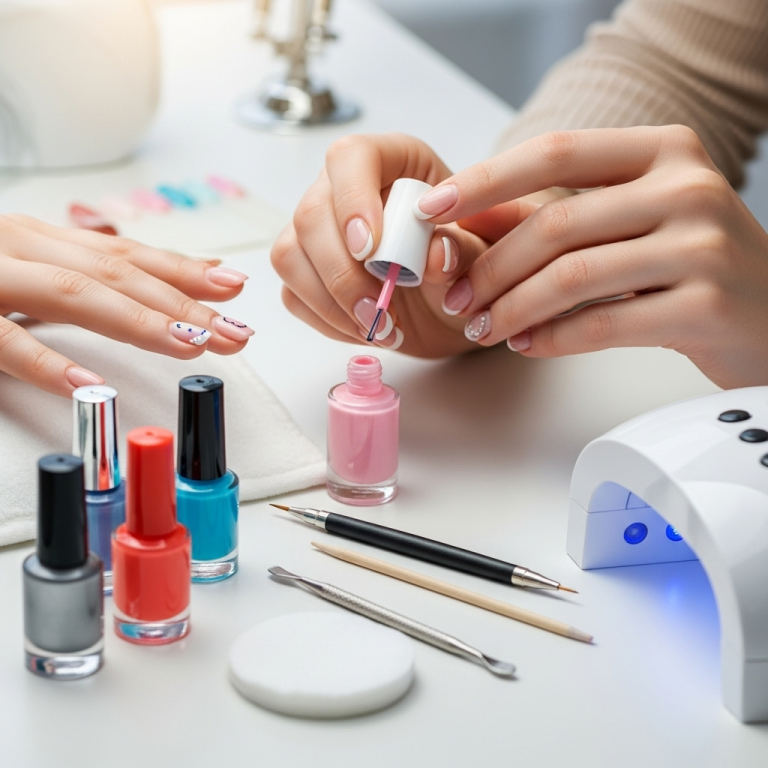
Before we dive into the fun part – creating designs – let’s gather our supplies. Having the right tools makes all the difference between a messy attempt and a polished masterpiece. Don’t worry, you won’t need a professional kit! Most of these items are readily available and affordable.
Must-Have Nail Polishes
You guessed it! For these designs, you’ll need high-quality black and white nail polishes.
- Black Nail Polish: Opt for a opaque, true black. A formula that dries smoothly without streaks is ideal.
- White Nail Polish: A crisp, opaque white is key. Avoid chalky whites that can look harsh. A good white is essential for sharp lines and bright contrast.
- Base Coat: Always use a good base coat to protect your natural nails and help polish adhere better.
- Top Coat: A high-shine, quick-drying top coat will seal your design, add gloss, and prevent chipping.
Essential Nail Art Tools
These tools will help you create those clean lines and precise shapes.
- Fine-Tipping Nail Art Brushes: These are your best friends for drawing thin lines and small details. A set with various tip sizes is useful.
- Dotting Tools: Perfect for creating dots, small circles, or patterns. They come in various tip sizes.
- Striping Tape or Nail Vinyls: These adhesive tapes or stencils are game-changers for creating super sharp, straight lines and geometric shapes.
- Nail Clippers & File: For shaping your nails to your desired length and form. A good nail file ensures smooth edges.
- Cuticle Pusher/Orange Stick: To prepare your nail bed and clean up any polish mistakes.
- Lint-Free Wipes: For cleaning brushes and wiping away excess polish.
- Rubbing Alcohol or Non-Acetone Nail Polish Remover: For cleaning brushes and correcting small errors.
Preparing Your Nails for Perfection
A little prep goes a long way! Clean, well-manicured nails are the best foundation for any nail art.
- Cleanliness is Key: Start by removing any old polish with a non-acetone remover (it’s gentler on your nails). Wash your hands with soap and water.
- Shape Up: File your nails to your preferred shape and length. Ensure all nails are even.
- Cuticle Care: Gently push back your cuticles. You can use a cuticle remover for easier pushing. Avoid cutting them unless absolutely necessary, as cuticles protect your nail bed. For more on healthy cuticles, check out this guide on skin and beauty from the National Center for Complementary and Integrative Health.
- Buffing (Optional but Recommended): Lightly buff the surface of your nails. This helps the base coat adhere better, preventing peeling.
- Apply Base Coat: Apply one thin layer of your base coat and let it dry completely. This protects your nails from staining and creates a smooth surface.
Easy Geometric Black and White Nail Design Techniques for Beginners
Now for the fun part! We’ll explore simple yet effective techniques to create stunning geometric black and white nail designs.
Technique 1: The Striped Sensation (Using Striping Tape)
This is perhaps the easiest way to get sharp, clean lines.
- Base Color: Apply one or two coats of your chosen base color (white or black) and let it dry completely. Ensure it’s fully dry so the tape doesn’t lift the polish.
- Apply Tape: Carefully apply thin strips of metallic nail striping tape onto your dried polish. Press down firmly along the edges to ensure a good seal. You can create parallel lines, intersecting lines, or even frame your nail with tape.
- Paint Over: Paint the areas between the tape with your contrasting color (if your base was white, paint with black, and vice versa). You can even paint a second color, or leave some areas bare to show the base coat.
- Remove Tape: While the second color is still wet, carefully peel off the striping tape using tweezers or your fingers. Peeling while wet prevents lifting the applied polish.
- Touch-Ups: If there are any minor bleeds, use your detail brush dipped in nail polish remover to clean them up.
- Seal the Deal: Once everything is completely dry, apply a generous layer of top coat. Make sure your top coat is not too thick when you go over the tape, as it can cause the tape to lift or bubble.
Technique 2: Dot-tastic Patterns with Dotting Tools
Dots are incredibly versatile and can create simple patterns or be built into more complex designs.
- Base Color: Apply your base color (black or white) and let it dry thoroughly.
- Load Your Dotting Tool: Dip the tip of your dotting tool into your chosen polish (e.g., white polish on a black base). You only need a small amount of polish on the tip.
- Create Dots: Gently press the dotting tool onto your nail to create a clean dot. For consistent sizes, use the same tip of the dotting tool or the same pressure.
- Design Ideas:
- Simple Spacing: Place dots evenly across the nail.
- Lines of Dots: Create straight or curved lines of dots.
- In-Between: Use white dots on a black base or black dots on a white base to create a starry effect or polka dots.
- Geometric Shapes: Arrange dots to form triangles, squares, or other shapes.
- Gradiented Dots: Use different sizes of dotting tools to create dots that fade from large to small.
- Two-Tone Effect: If you want contrasting dots, let the first color dry completely before adding dots of the second color.
- Seal: Apply your top coat once all dots are dry.
Technique 3: The Bold Brushstroke (Freehand Designs)
This technique gives you the most creative freedom!
- Base Coat: Apply your base color (black or white) and let it dry completely.
- Load Your Brush: Dip your fine-tip nail art brush into your contrasting polish. Wipe off any excess on a lint-free wipe or a piece of paper to avoid globs of polish.
- Draw Lines:
- Straight Lines: Hold the brush at an angle and draw a smooth, consistent line across the nail. For extra precision, rest your pinky finger on the table or your other hand for stability.
- Angles and Triangles: Draw diagonal lines to create V-shapes, chevrons, or connect them to form triangles and squares.
- Half Moons: Draw a curved line along the cuticle or the tip of the nail.
- Checkerboards: Draw a grid of intersecting horizontal and vertical lines.
- Clean Up: Use a small brush dipped in nail polish remover to carefully clean up any wobbly lines or smudges before the polish dries completely.
- Add Details: Once dry, you can add smaller details or fill in sections.
- Top Coat: Apply your top coat for a smooth finish.
Technique 4: Stencils and Guides for Perfect Shapes
Nail art stencils or vinyls can help create intricate geometric patterns with ease.
- Apply Base Color: Paint your nails with your base color (black or white) and let it dry completely.
- Place Stencil/Vinyl: Carefully apply the stencil or vinyl design onto your nail. Ensure it’s pressed down firmly to prevent polish from seeping underneath.
- Paint Over: Apply your contrasting color over the stencil area. Use a scraper tool or an old gift card for a thin, even layer.
- Remove Stencil: While the polish is still wet, carefully peel off the stencil/vinyl. Again, removing this while wet is crucial for clean lines.
- Let It Dry: Allow the design to dry completely.
- Top Coat: Apply your top coat to seal the design.
Popular Geometric Black and White Nail Design Ideas
Let’s explore some specific design ideas that are perfect for beginners and look incredibly chic.
The Minimalist Half-and-Half
Base: White polish on all nails.
Design: On each nail, use striping tape or a brush to draw a sharp diagonal line from one side to the other, dividing the nail into two halves. Paint one half black.
Variation: Try this horizontally, or use a curved line for a half-moon effect.
The Modern Zigzag
Base: Black polish on all nails.
Design: Use a fine-tip brush to paint white zigzag lines across the nails. Vary the thickness of theZigzags for added interest.
Variation: Use striping tape to create sharp, angular zigzags.
The Abstract Lines Collection
Base: White polish on all nails.
Design: Use a black nail art brush to draw various thin, random lines across each nail – some straight, some slightly wavy, some intersecting. Think of it as abstract scribbles.
Variation: Use black polish as the base and add white lines.
The Geometric Block Design
Base: White polish on all nails.
Design: Use striping tape to create geometric sections on each nail – squares, rectangles, triangles. Paint some of these sections black.
Variation: Mix and match shapes on different nails for a more dynamic look. You can also use negative space (leaving some parts unpainted) within the blocks.
The Dot Grid Effect
Base: Black polish on all nails.
Design: Using a dotting tool with white polish, carefully create a grid of dots across each nail. You can make the grid evenly spaced for a clean look or slightly irregular for a more organic feel.
Variation: Create a partial grid focusing on one corner of the nail, or use dots of varying sizes.
The Chevron Chic
Base: Black polish on all nails.
Design: Use striping tape to create a V-shape (chevron) near the tip of each nail. Paint the V-shape white.
Variation: Create multiple chevrons on the nail, or reverse the colors with a white base and black chevron.
Troubleshooting Common Issues and Solutions
Even with the best intentions, nail art can present a few challenges. Here’s how to tackle them.
Streaky or Uneven Lines
Cause: Too much polish on the brush, brush not held at the right angle, or uneven pressure.
Solution: Always wipe excess polish off your brush onto a lint-free wipe. Hold your brush at a slight angle for better control. Practice drawing lines on a piece of paper first to get a feel for the pressure. Use thin coats of polish.
Polish Lifting When Removing Tape
Cause: The base polish wasn’t dry enough when the tape was applied, or the tape was pulled too aggressively.
Solution: Ensure your base coat is completely dry before applying tape. Wait at least 5-10 minutes after the polish feels dry to the touch. When removing the tape, peel slowly and at an angle, ideally while the top color is still wet.
Smudges or Blobs
Cause: Touching the wet polish, applying too much polish, or rushing the drying time.
Solution: Be patient! Give each layer ample time to dry. Keep your hands steady by resting them. If a smudge happens, don’t panic. Use a small brush dipped in nail polish remover to gently clean up the area. For larger mistakes, you might need to re-paint the nail.
Top Coat Ruining the Design
Cause: The top coat is too thick, or the design underneath isn’t fully dry.
Solution: Apply your top coat in thin, even layers. If you have textured elements like glitter or thick line art, use a special “water-based” top coat or “gel-like” top coat that is less likely to disturb the underlying art when you go over it. Again, ensure everything beneath it is bone dry.
Base Color Showing Through
Cause: Not enough coats of base polish applied, or the polish formula is sheer.
Solution: Apply two thin coats of your base color and let each dry completely. If using a sheer polish, consider using a white or black opaque polish as a base coat first, then applying your sheer color over it for a more uniform look.
Tools Not Working as Expected
Cause: Brushes are dried out, dotting tools are clogged, or tape isn’t sticky enough.
Solution: Clean your brushes immediately after use with nail polish remover or alcohol. Store them properly with the caps on. For dotting tools, ensure you’re dipping them into polish rather than overloading. If tape isn’t sticking, it might be old and the adhesive has dried out.
Maintaining Your Geometric Black and White Manicure
To keep your stunning designs looking fresh for as long as possible, a little maintenance is key.
- Reinforce with Top Coat: Apply a thin layer of top coat every 2-3 days. This helps prevent chipping and maintains the shine.
- Be Gentle: Try to avoid using your nails as tools – like opening cans or scraping off stickers. Use the tips of your fingers or actual tools.
- Wear Gloves: When doing household chores, especially those involving water or harsh chemicals, wear rubber gloves. Water and detergents can break down the polish and weaken your nails.
- Moisturize: Keep your cuticles and hands moisturized with a good cuticle oil and hand cream. Healthy nails and skin look best with any manicure.
- Avoid Acetone (for removal): When it’s time to remove your design, always use a non-acetone remover. Acetone is very drying and can damage your nails and cuticles, making them prone to breakage.
Why Geometric Black and White is a Timeless Choice
Black and white is a classic combination for a reason. It’s sophisticated, versatile, and always in style. Geometric patterns add a modern edge to this timeless duo.
- Versatility: Whether you’re heading