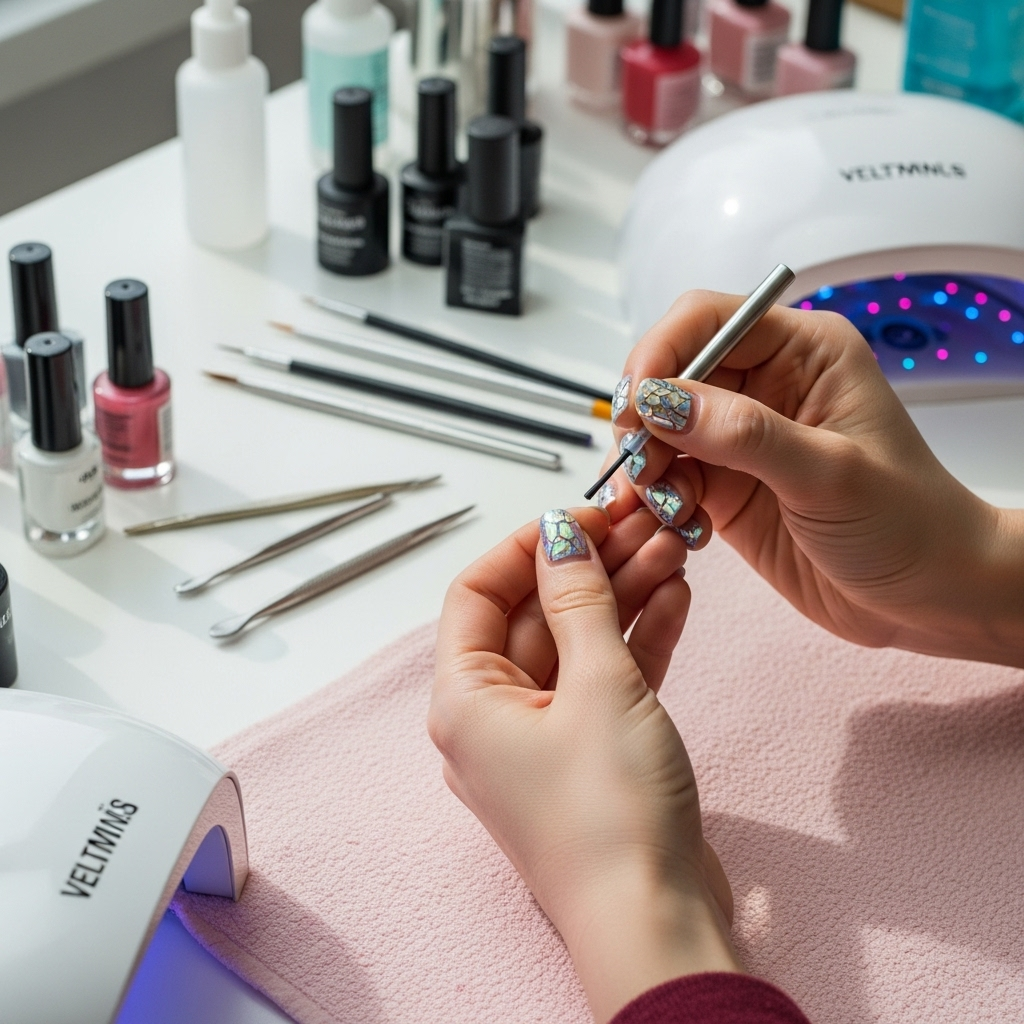
Filigree pattern nail designs are intricate, elegant, and surprisingly easy to achieve with the right inspiration and simple techniques. This guide offers beginner-friendly ideas, essential tools, and step-by-step inspiration to help you create stunning filigree manicures at home.
Ever felt a little intimidated by those stunning, delicate patterns you see on nails? You know, the lacy, almost jewelry-like designs that scream sophistication? That’s filigree! It can look super complicated, but guess what? It’s totally doable for beginners. We’re here to break down the magic of filigree pattern nail designs, making them your new favorite go-to for a touch of elegance. Get ready to unlock a world of beautiful, intricate nail art that you can create yourself!
What is Filigree Nail Art?
Filigree nail art is inspired by the ancient art of filigree metalwork, which uses tiny beads and twisted threads of metal to create delicate, intricate designs. On nails, this translates to fine, swirling lines, dots, and lace-like patterns that mimic the look of precious metal embellishments. It’s all about creating an impression of intricate detail and refined beauty.
Think of it as drawing with a very fine brush or using tiny dots to build up a pattern. The beauty of filigree nails lies in their lightness and complexity. They can range from subtle accents on a single nail to a full, ornate design covering all your digits. It’s a fantastic way to add a touch of glamour and artistry to your manicure, no matter your personal style. Whether you love a minimalist vibe or a maximalist statement, filigree can be adapted to fit!
Why Choose Filigree Pattern Nail Designs?
Filigree designs offer a unique blend of sophistication and versatility. They’re perfect for special occasions, adding a touch of bridal elegance, or simply elevating your everyday look. Here’s why filigree is a fantastic choice:
- Elegant Appeal: Filigree patterns inherently look luxurious and refined, instantly making your nails look more polished and chic.
- Versatile Style: This nail art style can be adapted to suit various aesthetics, from classic vintage to modern minimalism. You can play with different colors and embellishments to personalize the look.
- Focus on Detail: It’s a great way to practice fine motor skills and precision for nail art enthusiasts. The intricate details can be mesmerizing.
- Great for Accents: Even if you’re not ready for full-coverage filigree, it works beautifully as an accent detail on one or two nails, adding a special touch without being overwhelming.
- Timeless Designs: While trends come and go, the classic elegance of filigree means these designs rarely go out of style.
Getting Started: Essential Tools for Filigree Nail Art
Don’t let the intricate look fool you! With the right tools, creating filigree patterns at home is much more achievable than you might think. Here are the essentials you’ll need:
The Must-Have Tools:
- Fine-Tip Nail Art Brushes: These are your magic wands! Look for brushes with very fine, pointed bristles that allow for precise lines and dots. A liner brush (sometimes called a striping brush) is perfect for creating long, delicate strokes.
- Dotting Tools: These come with various-sized ball tips on the end. They are perfect for creating uniform dots, which are a key element in many filigree designs.
- Nail Polish or Gel Polish: Choose polishes that have a good consistency – not too thick or too thin. Contrasting colors often make filigree details pop beautifully. Metallic shades (gold, silver, rose gold) are classics for filigree.
- Top Coat and Base Coat: Essential for protecting your natural nails, ensuring polish longevity, and giving a smooth finish.
- Nail Cleanser or Rubbing Alcohol: To ensure your nails are free of oils and debris for optimal polish adhesion.
- [Optional] Tweezers: If you plan to add small embellishments like micro-beads or tiny rhinestones.
- [Optional] Stamping Plates: For a quicker, more uniform approach, some filigree patterns are available on specialized stamping plates.
Tool Spotlight: The Detail Brush
Your fine-tip nail art brush is going to be your best friend for filigree. The key is to find a brush that allows for control and precision. For beginners, one with a slightly longer hair length can hold more product and may be easier to control than an extremely short, stiff brush. Experimenting with different brands and types will help you find your favorite. Many artists recommend synthetic bristles for better polish pickup and smoother application.
Inspiration Gallery: Beginner-Friendly Filigree Nail Designs
Now for the fun part – inspiration! These ideas are perfect for beginners and focus on achievable techniques that still deliver that stunning filigree look.
1. The Classic Swirl & Dot
This is the simplest form of filigree and a fantastic starting point. It involves basic swirls and strategically placed dots to create an intricate feel.
- Base Color: Choose a solid color for your base. Neutrals like nude, white, black, or a soft pastel work wonderfully.
- Design Color: Opt for a metallic (gold, silver, rose gold) or a contrasting color for your filigree elements.
- Technique:
- Apply your base coat and two coats of your chosen base polish. Let it dry completely.
- Using your fine-tip brush and design color, draw simple swirls starting from the cuticle or the free edge of the nail. Think elegant curves and loops.
- Use your dotting tool (or the tip of your brush) to place small dots along the swirls or in between them.
- Finish with a top coat.

2. Lacy Border Filigree
This design uses thin lines to create a delicate “lace” effect around the edges of the nail, or just along the free edge.
- Base Color: A sheer nude, milky white, or a light pastel is ideal.
- Design Color: Gold, silver, or black are popular choices.
- Technique:
- Apply your base coat and one or two thin coats of your sheer base color.
- With your finest liner brush and design color, carefully paint a thin, delicate line around the cuticle, or along the entire free edge of the nail.
- Add tiny, connected dots or short dashes along this line to mimic a lace edge.
- You can also add a few stray wisps or swirls extending slightly from this border for added detail.
- Seal with a top coat.

3. Minimalist Filigree Accent
For those who prefer subtlety, a small filigree element on an accent nail can be just as impactful.
- Base Color: Any solid color you love.
- Design Color: A metallic shade often stands out best.
- Technique:
- Paint all nails with your chosen base color, except for one accent nail.
- On the accent nail, paint a simple, small filigree motif. This could be a single swirl, a small cluster of dots, or a tiny geometric pattern. Place it off-center for a modern look.
- Ensure the design is small and delicate.
- Apply top coat to all nails.

4. Geometric Filigree
Combine the elegance of filigree with modern geometric shapes. Think fine lines forming triangles, squares, or diamonds.
- Base Color: Black, white, or a deep jewel tone.
- Design Color: Metallic gold or silver.
- Technique:
- Apply your base coat and color.
- Using your liner brush, carefully draw straight lines to form geometric shapes.
- Connect these shapes with thin lines and add small dots at the corners or intersections for a filigree feel.
- You can create a pattern of repeating geometric shapes or one larger, intricate geometric design.
- Seal with a top coat.

5. Stamped Filigree Patterns
If freehand drawing feels too daunting, nail stamping is an excellent alternative. You can find stamping plates with a wide variety of filigree and lace designs.
- Base Color: Any color that contrasts well with your stamping polish.
- Stamping Polish: A highly pigmented polish is key for clear impressions.
- Filigree Stamping Plate: Choose a plate with intricate patterns. Brands like Born Pretty, Moyou London, and Pueen offer a great selection. You can find them at reputable beauty supply stores or online retailers specializing in nail art.
- Stamper and Scraper: Essential for picking up and transferring the design.
- Technique:
- Apply your base coat and color. Ensure it’s completely dry.
- Apply stamping polish over your chosen filigree design on the stamping plate.
- Quickly scrape off the excess polish using the scraper card.
- Immediately roll or press your stamper onto the design to pick it up.
- Gently roll or press the stamper onto your nail to transfer the filigree pattern.
- Clean up any stray polish around your nail with a brush dipped in nail polish remover.
- Apply a top coat. A quick-dry top coat is often recommended when stamping to avoid smudging the design.

Step-by-Step: Creating a Simple Filigree Design (Freehand)
Let’s walk through a basic, achievable filigree look using a fine-tip brush. This method focuses on creating delicate swirls and connecting dots.
Prep Your Nails:
- Cleanse: Wash your hands and dry them thoroughly. Use a nail cleanser or rubbing alcohol on a cotton pad to wipe each nail. This removes any natural oils that could prevent polish from adhering properly. You can find great tips for nail prep on resources like the NailCareHQ guide to nail prep.
- Base Coat: Apply a thin layer of base coat and let it dry completely.
- Color Application: Apply 1-2 thin coats of your chosen base polish color. Allow each coat to dry thoroughly before applying the next. A smooth, opaque base is crucial for making the filigree details stand out.
Creating the Filigree Design:
We’ll focus on elegant swirls and dots. Imagine you’re drawing with a pencil, but with polish!
- Load Your Brush: Dip your fine-tip nail art brush into your design polish. Don’t overload it – you want just enough polish for control. Wipe off any excess on the edge of the bottle opening.
- Start with a Swirl: Begin near the cuticle area or the free edge of your nail. Gently press the tip of the brush down and pull it in a curved motion to create a delicate swirl. Practice making smooth, flowing lines. For a classic filigree look, think elongated C-shapes or S-shapes.
- Add More Swirls: Continue adding more swirls, connecting them or letting them flow into each other. Don’t aim for perfect symmetry; the slightly organic nature adds to the charm. You can make them overlap or trail off.
- Incorporate Dots: Use the tip of your brush or a dotting tool to add small dots. Place them at the end of swirls, inside curves, or at intersection points. Consistency in dot size is key for a polished look. You can use a smaller dotting tool tip for smaller dots and a larger one for slightly bigger ones.
- Fill in Gaps (Optional): If there are any larger empty spaces, you can fill them with more delicate lines or tiny dots to enhance the intricate feel.
- Refine Lines: Look at your design. If any lines are too thick or uneven, you can use a clean, dry brush or a brush very slightly dampened with remover to gently clean them up. This is a crucial step for a professional finish.

Finishing Touches:
- Drying Time: Allow your design to dry completely. This is vital to prevent smudging when you apply the top coat. This can take longer than regular polish, especially with thicker gel polish.
- Top Coat: Apply a generous, smooth layer of top coat over the entire nail. This seals the design, adds shine, and protects your beautiful filigree pattern. Make sure to cap the free edge of the nail by running the brush along the very tip.
- Cure (if using gel): If you’ve used gel polish for your design, cure your nails under a UV/LED lamp according to the manufacturer’s instructions. Follow with a final gel top coat.
Filigree Design Elements: Color Palette & Variations
The beauty of filigree lies in its adaptability. You can create vastly different looks just by changing your color choices and the complexity of the design.
Classic Color Combinations:
These are tried-and-true pairings that always look sophisticated:
| Base Color | Filigree Color | Overall Effect |
|---|---|---|
| Nude/Beige | Gold or Rose Gold | Elegant, Bridal, Understated Luxury |
| White/Cream | Silver or Black | Clean, Chic, High Contrast |
| Black | Gold or Silver | Dramatic, Glamorous, Bold Statement |
| Pastel Pink/Blue | White or Silver | Soft, Feminine, Delicate |
| Deep Burgundy/Navy | Gold | Rich, Sophisticated, Vintage |
Exploring Texture and Finish:
- Metallics: Gold, silver, rose gold, bronze, and even iridescent metallic polishes are perfect for mimicking precious metals.
- Matte vs. Glossy: A matte top coat can give filigree designs a unique, modern feel. A glossy finish amplifies the luxurious shine.
- Glitter Accents: A touch of fine glitter in your filigree color can add extra sparkle without being overpowering.
- Jewel Tones: For evening wear, consider rich sapphire, emerald, or ruby tones for both base and design.
Adding Embellishments:
For an extra touch of luxe, consider adding small embellishments:
- Tiny Rhinestones: Place a small crystal at the center where swirls meet or at the tip of a design.
- Micro-Beads: These can be applied along lines or curves to give a dimensional, textured filigree effect. Search for nail art micro-beads online from suppliers like Born Pretty or Amazon.
- Pearls: Small pearl accents can enhance a vintage or bridal filigree look.
Pro Tips for Flawless Filigree
Even as a beginner, you can achieve professional-looking results with a few insider tips:
- Less is More: Start with simpler designs. It’s better to have a few clean, well-executed lines than many messy ones.
- Steady Your Hand: Brace your painting hand and finger against a stable surface. Resting your pinky finger on the table can provide extra stability.
- Clean Your Brush Often: Wipe your brush clean with a lint-free wipe or a paper towel after each few strokes, especially if you’re mixing colors or cleaning up mistakes.
- Practice on Paper: Before you commit to your nails, sketch out your filigree pattern on a piece of paper with your nail art brush and polish. This helps you get a feel for the flow and pressure.
- Don’t Rush Drying Time: Patience is key! Ensure each layer, especially