Easy Ombre Nail Art: Your Genius Guide
Creating stunning ombre nails at home is surprisingly simple! This guide breaks down the process for beginners, showing you how to achieve a beautiful gradient effect with just a few basic tools and polishes. Get ready to elevate your manicure game with this foolproof technique.
Dreaming of those gorgeous, blended nail colors you see everywhere but think it’s too complicated to do yourself? You’re not alone! Many of us admire ombre nails from afar, believing they require a professional touch. But I’m here to tell you that achieving a beautiful, smooth color transition on your nails is totally doable, even if you’re just starting out. This guide will walk you through everything you need, step-by-step. By the end, you’ll have the confidence and skills to create your own chic ombre manis at home. Let’s dive in and make some nail magic happen!
Why We Love Ombre Nails
Ombre nails are a fantastic way to add a touch of elegance and personality to your look. The gentle blend of colors is eye-catching without being over-the-top, making it perfect for any occasion. Whether you prefer a subtle shift from nude to pink or a bold statement with vibrant hues, ombre offers endless creative possibilities. Plus, it’s a trend that always feels fresh and stylish.
What Exactly IS Ombre Nail Art?
At its heart, ombre nail art is all about creating a gradient effect. Imagine a smooth transition where one color gradually fades into another. This can be done vertically, horizontally, or even diagonally across the nail. The effect is sophisticated and visually appealing, adding depth and dimension to your manicure. It’s like a little piece of art right at your fingertips!
Getting Started: Your Ombre Nail Art Toolkit
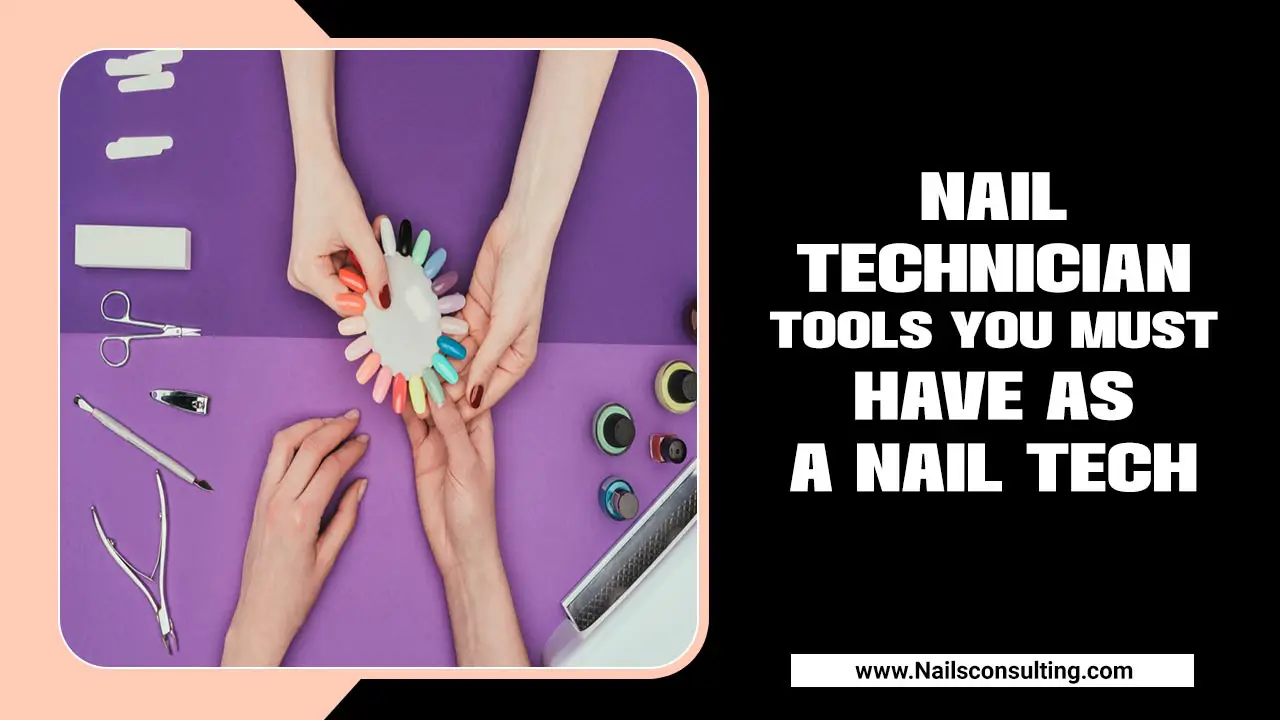
Before we start painting, let’s gather everything you’ll need for your easy ombre nail art adventure. Don’t worry, you probably have most of these items already!
Essential Nail Polishes
Base Coat: Always start with a good base coat. It protects your nails from staining and helps your polish adhere better.
Top Coat: This seals your beautiful design and adds a glossy finish.
Colors: You’ll need at least two (but up to four) nail polishes that complement each other. Think about the look you’re going for:
Classic: Nude and white, or light pink and dark pink.
Bold: Coral and yellow, or navy and light blue.
Subtle: Two shades of the same color family, like a light lavender and a deeper purple.
White or Nude Polish: A light, opaque color often works best as the base for your gradient. This helps the other colors pop!
Application Tools
Makeup Sponge: This is your secret weapon for blending! A regular kitchen sponge cut into small pieces or a clean makeup sponge (like a beauty blender-style one) works perfectly. Aim for a fine-textured sponge.
Small Dish or Piece of Foil: You’ll pour a bit of polish onto this to load your sponge.
Toothpick or Cuticle Pusher: Useful for cleaning up any polish that gets outside your nail line.
Cotton Pads and Nail Polish Remover: For easy cleanup!
Optional (But Recommended!) Tools
Nail Polish Corrector Pen: These are fantastic for precise cleanup around the cuticle and sidewalls.
Gloves or Latex Barrier: If you’re worried about getting polish on your skin, this creates a temporary barrier around your nails.
The Genius Method: Step-by-Step Easy Ombre Nail Art
Let’s get to the fun part! This method uses a sponge to create a seamless blend. It’s the easiest way for beginners to achieve that beautiful ombre effect.
Step 1: Prep Your Nails
Proper nail prep is crucial for a long-lasting and professional-looking manicure.
Clean: Make sure your nails are free from any old polish or oils.
Shape: File your nails to your desired shape.
Cuticles: Gently push back your cuticles.
Base Coat: Apply one or two thin coats of your base coat and let it dry completely. This is your foundation!
Step 2: Apply Your Transition Polish
This will be the lightest color in your gradient, acting as a base for the blend.
Apply one or two thin coats of your chosen light color (like white or nude) to each nail.
Let this coat dry completely. This is super important! A wet base coat will make the sponge method messy and the colors won’t blend well. Patience here pays off!
Step 3: Prepare Your Gradient Colors
Now it’s time to set up your colors for blending.
On your small dish or piece of foil, apply a stripe of your first color, then right next to it, apply a stripe of your second color. If you’re using three or more colors, continue adding stripes next to each other.
Tip: Don’t put too much polish on your palette; you only need a small amount for each nail.
Step 4: Load Your Sponge
This is where the magic happens!
Gently dab your makeup sponge onto the stripes of polish on your palette. You want to pick up both colors onto the sponge, creating a distinct line where they meet. You might need to do this a few times to get a good amount of polish on the sponge.
Pro Tip: Avoid pressing too hard, as this can smear the colors on your palette. A gentle dabbing motion is key.
Step 5: Blend Onto Your Nail!
The moment of truth!
Dampen (Optional but helpful): Lightly spritz your sponge with a setting spray or a tiny bit of water. This can help the polish transfer more smoothly and prevent the sponge from absorbing too much polish. Let any excess water dab off onto a clean paper towel.
Apply the Gradient: Gently press the sponge onto your nail, starting from the cuticle area and rolling or dabbing upwards towards the tip. You want to deposit the blended polish onto your nail.
Repeat this dabbing motion, overlapping slightly each time, until you achieve the desired blend and coverage. Don’t worry if it’s not perfect on the first try; you can always go back over it.
For Multiple Colors: If you’re using three or more colors, you can either apply two colors at a time with two separate sponges or carefully layer the colors onto one sponge and apply. Another trick is to apply two colors first, let them dry slightly, then use a sponge with the next color, dabbing it onto the tip of the nail to blend into the existing gradient.
Step 6: Clean Up Your Edges
This step makes all the difference between a DIY job and a salon-quality finish.
Dip your toothpick, cuticle pusher, or nail polish corrector pen into nail polish remover.
Carefully trace around the edge of your nail, cleaning up any polish that has transferred onto your skin or cuticles. Be precise!
Step 7: Seal Your Masterpiece with a Top Coat
The finishing touch that locks in your design.
Once the gradient polish is completely dry (give it a few minutes!), apply a generous layer of your top coat.
Make sure to cap the free edge of your nail by running the brush along the tip. This helps prevent chipping and prolongs the life of your ombre manicure.
Let your top coat dry thoroughly.
Achieving Different Ombre Effects
The sponge method is incredibly versatile. Here’s how you can tweak it for different looks:
Horizontal Ombre
This is the most common and arguably the easiest approach. The colors blend from one side of the nail to the other.
1. Apply polish stripes horizontally on your sponge.
2. Dab onto the nail, blending from side to side.
Vertical Ombre
This effect creates a more elongated look for your nails.
1. Apply polish stripes vertically on your sponge.
2. Dab onto the nail, blending from cuticle to tip.
Multi-Color Ombre (3+ Colors!)
Ready to get adventurous?
1. Arrange three or more colors in stripes on your sponge or palette.
2. Dab onto the nail, ensuring a smooth transition between each color. You might need to go over it a few times, gently layering the colors.
3. Alternatively, you can use the sponge for the first two colors, let them set slightly, then use a clean sponge with your third color, focusing the application on the tip and gently pressing it into the existing blend.
Comparing Different Ombre Techniques
While the sponge method is fantastic for beginners due to its ease and forgiving nature, it’s good to know other approaches exist.
| Technique | Description | Pros | Cons | Best For |
|---|---|---|---|---|
| Sponge (for beginners) | Dabbing polish from a sponge onto the nail to create a blended gradient. | Easy to use, forgiving, creates a soft blend, readily available tools. | Can be a bit messy, requires cleanup, sponge can soak up polish. | Beginners, quick manicures, soft blended gradients. |
| Brush Blend | Using a clean nail brush, acetone, or alcohol to manually blend wet polish stripes on the nail. | Precise control, minimal product waste, can create sharp or soft blends. | Requires a steady hand, can be tricky to master, polish can dry too fast. | Intermediate users, detailed blending, sharp transitions. |
| Stamping/Stencils | Using specialized gradient stamping plates or ombre stencil stickers. | Consistent results, easy to achieve complex gradients, mess-free. | Requires specific tools, less personalized, limited color freedom with stamping plates. | Achieving perfect gradients every time, users who prefer minimal mess. |
Troubleshooting Common Ombre Nail Issues
Even with the easiest methods, you might run into a snag. Here are solutions to common problems:
The blend looks streaky or patchy.
Solution: You might need another layer of polish on your sponge. Make sure your base color was fully dry. Try dabbing the sponge more times, overlapping your strokes to build the color and blend.
The colors aren’t blending well.
Solution: Ensure you’re applying the colors next to each other on your palette so the sponge picks them up together. Lightly spritzing the sponge can also help the polish transfer smoothly.
Too much polish got on my skin.
Solution: This is what the cleanup step (Step 6) is for! Don’t panic. Use your corrector pen or a small brush dipped in nail polish remover to carefully tidy up the edges. You can also apply a liquid latex barrier around your nails before you start.
The sponge is absorbing too much polish.
Solution: Try using a denser sponge or a makeup sponge puff rather than a larger beauty blender type. Lightly dampening the sponge (as mentioned in Step 5) can reduce polish absorption.
The colors look dull.
Solution: Your base color might not have been opaque enough, or the colors you chose don’t have enough contrast. Using a crisp white as your base nearly always makes colors pop, and consider bolder color combinations next time. A good quality top coat with a high-gloss finish will also bring out the vibrancy of your colors once dry.
Expert Tips for Flawless Ombre Nails
Want to take your ombre nails from good to absolutely stunning? Here are a few pro tips from my nail-loving experience:
Choose Your Colors Wisely: Think about color theory! Colors that are opposite each other on the color wheel will create high contrast, while colors next to each other will blend softly. For a natural look, stick to shades within the same family.
Cleanliness is Key: Always start with clean, dry nails. Any oil or leftover polish can impact how your ombre layers adhere and blend. Even washing your hands right before can leave behind moisture that affects polish. A quick wipe with nail polish remover can ensure a pristine canvas, as recommended by dermatologists for nail preparation. A great resource for nail health is the American Academy of Dermatology Association, which provides extensive information on healthy nail practices.
Patience with Drying Time: I know it’s tempting to rush, but allowing each layer to dry properly is the secret to preventing muddy colors and ensuring a smooth gradient.
Don’t Be Afraid to Experiment: Ombre isn’t just for pinks and purples! Try blues and greens for a tropical vibe, or reds and oranges for a fiery look. Metallics can also create a stunning effect.
* Practice Makes Perfect: If your first attempt isn’t exactly what you envisioned, don’t get discouraged! The more you practice the sponge technique, the better you’ll become at controlling the blend and the quicker you’ll get.
Frequently Asked Questions About Easy Ombre Nail Art
Q1: Can I do ombre nails without a sponge?
A1: Yes! You can use a makeup brush dipped in acetone to blend polish stripes directly on the nail, or use specialized gradient stamping plates. However, the sponge method is generally considered the easiest for beginners.
Q2: How many colors can I use for ombre nails?
A2: You can use as few as two colors for a classic ombre effect, or even three, four, or more for a more complex gradient. The key is to arrange them in the order you want them blended on your sponge.
Q3: How long does ombre nail art usually take?
A3: With practice, you can complete an ombre manicure in about 20-30 minutes, not including drying time. The cleanup and top coat application are quick steps once the color is laid down.
Q4: Will ombre nails chip easily?
A4: With proper nail prep and a good quality top coat, ombre nails can last just as long as a regular manicure, typically 5-7 days. Capping the free edge is essential for longevity.
Q5: Can I use gel polish for ombre nails?
A5: Absolutely! Gel polish works wonderfully for ombre. You’ll apply the polish stripes to your sponge and dab onto the nail as usual, but remember to cure each layer under a UV or LED lamp as per the gel polish instructions.
Q6: My ombre looks too sharp. How do I get a softer blend?
A6: To achieve a softer blend, try dabbing the sponge more gently and lightly. You can also try layering additional thin coats of the blended colors onto the nail, dabbing lightly each time, to blur the lines further. Some people also find that lightly dabbing a clean, dry sponge over the freshly applied gradient can help soften the transition.
Q7: What is the best way to clean up around my cuticles?
A7: The most effective tools are a nail polish corrector pen or a small, stiff-bristled brush (like a detail liner brush or an old makeup brush) dipped in nail polish remover. Gently run the tool around the edge of your nail to remove any excess polish without disturbing your design.
Conclusion: Your Ombre Nail Art Journey Begins Now!
See? Creating beautiful ombre nails at home is totally achievable and a lot of fun! With this genius guide, you have all the tools and steps you need to master the sponge technique. From choosing your perfect color combination to achieving that flawless blend and giving yourself a clean, professional finish, you’re ready to transform your nails.
Don’t be discouraged if your first attempt isn’t salon-perfect. Nail art is a skill that improves with practice. Embrace the creative process, experiment with different color palettes, and most importantly, have fun expressing yourself! Your nails are a canvas, and ombre is a fantastic way to add a sophisticated touch to your personal style. So grab those polishes, get your sponge ready, and go create some nail art magic! Happy painting!