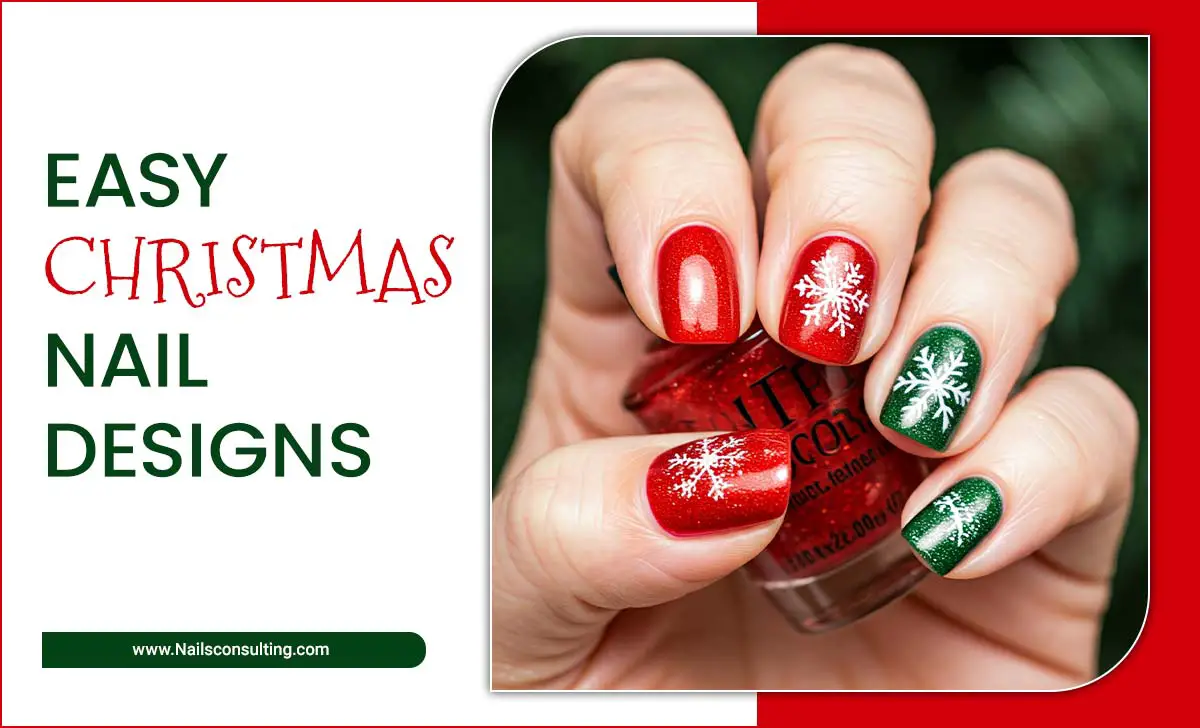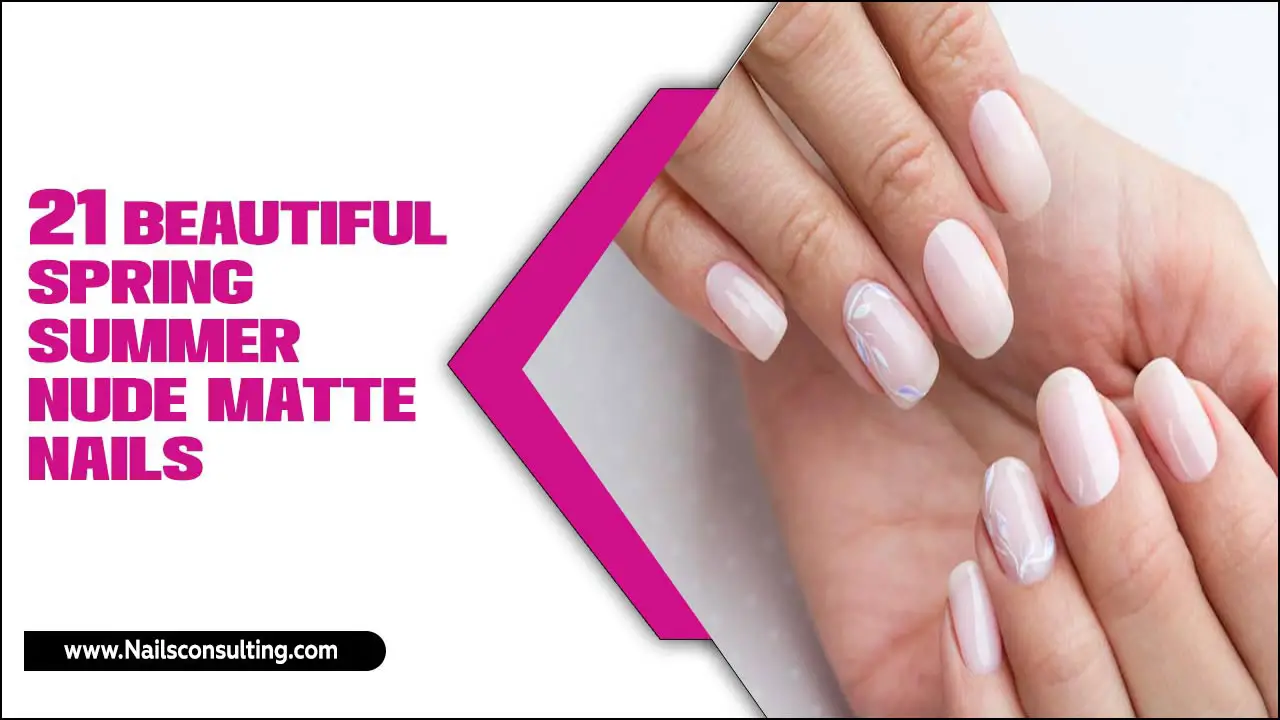
Don’t have hours for salon-worthy nails? You can absolutely achieve stunning, easy nail designs at home with simple techniques and everyday tools. This guide unlocks effortless creativity for gorgeous manicures that look professionally done, proving beautiful nails are within reach for everyone, no appointment needed!
Ever look at those intricate nail art designs online and think, “There’s no way I can do that”? You’re not alone! Many of us dream of having beautiful, decorated nails but feel intimidated by the complexity or the cost of salon visits. The good news is, creating eye-catching nail designs at home is easier than you might think. You don’t need a professional degree or a huge kit of fancy tools to make your nails pop. With a few clever tricks and some basic supplies, you can unlock your inner nail artist and express yourself with gorgeous, personalized manicures. Get ready to discover how simple and fun DIY nail art can be!
Your At-Home Nail Design Toolkit: What You Really Need
Before we dive into the fun designs, let’s talk about setting yourself up for success. Building a nail art arsenal doesn’t mean you need to break the bank. Many items you might already have at home can be repurposed. Here’s a breakdown of the essentials, plus a few things that will make your life a lot easier.
The Must-Haves:
- Nail Polish: Variety is key! Stock up on your favorite colors, a good base coat, and a durable top coat.
- Base Coat: Essential for smooth application and preventing polish stains. It creates a perfect canvas.
- Top Coat: Your design’s best friend! It adds shine, protects your art from chipping, and helps it last longer.
- Nail Polish Remover & Cotton Pads/Balls: For quick cleanups and mistakes.
- Orange Stick or Cuticle Pusher: To clean up polish around the cuticle area before it dries.
- Fine-Tip Applicator or Toothpick: For dotting, drawing thin lines, and picking up small embellishments.
Optional, But Super Helpful:
- Dotting Tools: These come in various sizes and are perfect for creating consistent dots and simple patterns.
- Thin Nail Art Brushes: For drawing delicate lines, swirls, and more intricate details.
- Striping Tape or Washi Tape: Fantastic for creating crisp, geometric lines and color-blocking effects.
- Stencils: Pre-cut designs that make complex patterns incredibly easy.
- Glitter or Rhinestones: For that extra sparkle and dimension.
- A Clean, Flat Surface: Protect your table with newspaper or a mat.
Effortless Nail Design Techniques for Beginners
Ready to get creative? These methods are foolproof and deliver amazing results with minimal effort. They’re perfect for testing the waters of nail art.
1. The Simple Dot Masterpiece
Dots are classic for a reason – they’re chic, versatile, and incredibly easy to create.
Tools You’ll Need:
- Base coat
- Your desired polish color(s)
- Top coat
- Toothpick or dotting tool
How-To:
- Start with a clean, prepped nail. Apply a thin layer of your base coat and let it dry completely.
- Paint your nails with your chosen base color. Allow this to dry until it’s no longer tacky to the touch. This is crucial to prevent smudging!
- Dip the tip of your toothpick or a dotting tool into a contrasting polish color.
- Gently press the tip onto your nail to create a dot.
- Repeat, spacing your dots evenly. You can make a single row, a cluster, or cover the entire nail.
- For a “French tip” dot effect, place dots along the free edge of your nail instead of a solid line.
- Once your design is dry, apply a generous layer of top coat to seal everything in and add shine.
Pro Tip: If you’re using a toothpick, wiping it clean on a paper towel between dots will ensure crisp, defined shapes.
2. The Chic Stripe Effect with Tape
Geometric designs look super professional but are surprisingly simple when you use tape as a guide.
Tools You’ll Need:
- Base coat
- At least two polish colors
- Top coat
- Nail polish remover
- Thin striping tape, washi tape, or even regular scotch tape cut very thinly
- Tweezers (optional, but helpful for placement)
How-To:
- Apply your base coat and let it dry.
- Paint your nails with your first polish color. Let it dry completely. This is essential; if it’s not dry, the tape will lift the polish.
- Carefully apply strips of tape onto your nail, creating the design you want. Think geometric shapes, diagonal lines, or even a half-moon tip. Ensure the tape is pressed down firmly to prevent polish bleed.
- Paint over the tape with your second polish color. You can do one coat or multiple for opacity.
- While the second color is still wet (this is important!), carefully peel off the tape using your fingers or tweezers. Peeling when wet prevents lifting the polish along the tape line.
- Let the design dry thoroughly before applying your top coat.
Variations: Try using a third color! Let the second color dry, apply more tape, and then add a third color. Remember to peel the tape while the last color is still wet.
3. The Ombre Fade (No Sponge Needed!)
The beauty of an ombre effect is its soft, blended look. Believe it or not, you can achieve this without a makeup sponge!
Tools You’ll Need:
- Base coat
- Two complementary polish colors (e.g., light to dark, or two shades of the same color)
- Top coat
- A small detailing brush or a toothpick
- Nail polish remover
How-To:
- Apply your base coat and let it dry.
- Paint your nails with the lighter of your two colors. Let it dry completely.
- Apply a second coat of the lighter color. While this second coat is still wet, use your detailing brush or toothpick to gently blend the darker color onto the tip or side of your nail. Work quickly and softly to create a smooth gradient.
- Alternatively, you can apply the lighter color, let it dry, then apply the darker color only to the tips, and use a clean brush with a tiny bit of nail polish remover to gently feather the edge where the two colors meet.
- Once you’re happy with the blend, let it dry well before applying your top coat.
Tip: Practice the blending technique on a piece of paper or a nail swatch stick first to get the hang of it!
4. The “Abstract Swirl” with Precision
This design looks complex but is all about controlled sweeps of color.
Tools You’ll Need:
- Base coat
- A couple of contrasting polish colors
- A thin nail art brush or a toothpick
- Top coat
- Nail polish remover and cotton swabs for cleanup
How-To:
- Start with your base coat and let it dry.
- Paint your nails with your first color. Let it dry completely.
- Dip your fine-tip brush or toothpick into your second color.
- Gently draw a swirl or a few flowing lines across your nail. Don’t worry about perfection; the abstract nature is part of the charm!
- You can add a third color with another small swirl or a dot for added interest.
- Clean up any messy edges with a cotton swab dipped in nail polish remover.
- Apply your top coat once everything is dry.
5. The Glitter Gradient
Ready to add some sparkle? A glitter gradient is stunning and incredibly forgiving.
Tools You’ll Need:
- Base coat
- Your chosen polish color
- Glitter polish (fine or chunky)
- Top coat
- A sponge or your detailing brush
How-To:
- Apply your base coat and let it dry.
- Paint your nails with your chosen color. Let it dry completely.
- If using a sponge: Dab some glitter polish onto a makeup sponge. Gently dab the sponge onto the tips of your nails, layering the glitter down gradually. The less glitter you pick up, the more subtle the gradient.
- If using a brush: Dip your detailing brush into the glitter polish. Starting at the tip of your nail, gently dab and feather the glitter down towards your cuticle. Layer as needed.
- Apply a generous top coat to smooth out the glitter texture and seal the design.
Why it’s great: Glitters hide imperfections beautifully, making this a perfect “bad nail day” fix or a quick way to dress up a plain mani.
Nail Care Essentials for the Best Canvas
Even the most beautiful nail design won’t look its best on unhealthy nails. Prioritizing nail care will enhance your designs and keep your nails strong and healthy.
Keep Them Clean and Trimmed
- Wash your hands and nails regularly.
- Trim your nails straight across and then round the tips gently with a file. This helps prevent snagging and breakage.
- Always file in one direction to avoid splitting. The National Institutes of Health points out that improper filing can lead to nail damage.
Moisturize, Moisturize, Moisturize!
- Use cuticle oil daily. It keeps your cuticles soft and prevents them from becoming dry and ragged, which can detract from your nail art.
- Apply hand lotion frequently, especially after washing your hands.
Protect Your Nails
- When doing household chores like washing dishes or cleaning, wear rubber gloves to protect your nails from harsh chemicals and excessive moisture.
- Avoid using your nails as tools (e.g., to open cans or scrape things).
Consider a Nail Strengthener
If you have weak or brittle nails, a good nail strengthener can make a huge difference. Look for formulas with ingredients like biotin or keratin. Applying one regularly will create a more resilient surface for polish and designs.
Quick Tip Table: Design Troubleshooting
Mistakes happen! Here’s a quick guide to common DIY nail art problems and how to fix them.
| Problem | Solution |
|---|---|
| Smudged Design | If wet, try to gently pat it back into place with a clean finger or tool. If dry, carefully try to repaint that section or cover with a dot/sticker. Sometimes, a well-placed glitter polish can camouflage minor smudges! |
| Uneven Dots/Lines | Use a fine-tip brush or toothpick to carefully adjust the shape before it dries. Once dry, you can often clean up the edges with a tiny brush dipped in polish remover. |
| Polish Bleed Under Tape | This usually means the base polish wasn’t fully dry, or the tape wasn’t sealed down properly. Carefully try to clean the bled areas with a fine brush and remover. For future attempts, ensure your base layers are bone dry and press tape edges very firmly. |
| Too Much Product on Brush/Tool | Wipe off excess onto a paper towel before applying to the nail. Less is often more for control. |
| Top Coat Smears Design | This happens when the polish underneath isn’t completely dry. Take a deep breath! You can sometimes fix it by gently dabbing the smeared area. For a more drastic fix, you might need to remove the polish on that nail and start over, or cleverly incorporate the smudge into an abstract design. Ensure adequate drying time for all layers before top coating. |
Beyond the Basics: Elevating Your Easy Designs
Once you’ve mastered the fundamentals, there are simple ways to take your easy nail designs to the next level without adding much complexity.
1. The Accent Nail
This is the easiest way to add a touch of nail art drama. Pick one nail (usually the ring finger) on each hand and give it a unique design while the other nails remain a solid color. It’s a subtle statement that looks intentional and chic.
2. Play with Texture
Don’t be afraid to mix finishes! Pair a matte top coat with a glossy color, or use a matte polish as your base and add glossy dots or lines. You can also incorporate chunky glitters for a different texture.
3. Go Minimalist
Sometimes, less is more. A single dot at the base of the nail, a thin line across the nail, or a tiny star can be incredibly stylish and requires minimal effort. This minimalist approach is often featured in professional fashion editorials for its understated elegance. The Allure magazine highlights how these simple touches can be incredibly sophisticated.
4. Use Stickers and Decals Wisely
Nail art stickers and water decals are game-changers for beginners.
- Stickers: Simply peel and stick! Seal with a top coat to ensure they stay put.
- Water Decals: You’ll need to soak them in water for a few seconds (follow product instructions), slide them off the backing, and place them on your dried polish. Seal with a top coat.
These are perfect for intricate patterns you couldn’t draw yourself. Just make sure to choose designs that complement your base color.
Common Beginner Questions About Easy Nail Designs
Let’s tackle some common queries you might have as you start your DIY nail art journey.
Q1: How long should I let my nail polish dry between coats?
It’s better to wait longer than you think you need! For base colors, aim for 5-10 minutes until they are no longer tacky to the touch. For top coats over designs, give the design at least 10-15 minutes to dry completely before applying the top coat to prevent smearing. Quick-dry drops or sprays can help speed things up.
Q2: My polish keeps chipping. How can I make my designs last longer?
A good base coat and a high-quality top coat are your best friends. Apply your top coat generously, making sure to cap the free edge of your nail (paint a little bit over the very tip of your nail) to seal it. Reapply top coat every 2-3 days to refresh the shine and add extra protection.
Q3: What’s the best way to clean up mistakes around my cuticles?
Keep a fine-tipped brush (like a small eyeliner brush or a dedicated nail art brush) handy. Dip it in nail polish remover and carefully trace around your cuticle line to remove excess polish. Do this while the polish is still wet for the easiest cleanup.
Q4: Do I really need special nail art brushes?
Not always! For many easy designs, a toothpick or the fine tip of a bobby pin can do the job perfectly. If you find yourself doing more complex designs regularly, investing in a basic set of nail art brushes can offer more precision and control.
Q5: Can I use regular craft glitter or craft paint?
It’s generally not recommended to use craft glitter or paint directly on your nails. Craft products aren’t formulated for skin or nail contact and can contain ingredients that might cause irritation or allergic reactions. Stick to cosmetic-grade glitters and polishes designed for nail use for safety and the best results.
Q6: My nails are stained yellow. What can I do?
Yellow staining is often caused by dark polish pigments. You can try soaking your nails in a mixture of lemon juice and water or a mild whitening toothpaste paste. Always use a good base coat when applying dark polishes to prevent this in the future. Nail treatments designed to whiten nails are also available.
Conclusion: Your Nails, Your Canvas, Your Rules
See? Creating beautiful, easy nail designs at home is not only achievable but also incredibly fun and rewarding. You’ve learned how to stock your toolkit without breaking the bank, mastered simple yet stunning techniques like dotting and striping, and even picked up some essential nail care tips to ensure your nails are the perfect canvas. Remember, nail art is all about self-expression. There are no strict rules! Don’t be afraid to experiment, combine techniques, and discover what you love. Your hands are an extension of your personal style, and with these easy tips, you can have gorgeous, expressive nails anytime you want. So grab those polishes, unleash your creativity, and enjoy the process – your next fabulous DIY manicure awaits!