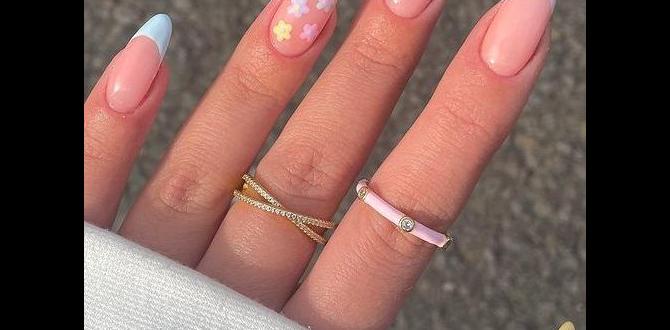
Easy nail care before nail art sets the stage for flawless designs. Prep your nails by cleaning, shaping, and buffing them, ensuring a smooth base for polish. Hydrate cuticles and remove any old polish for a clean canvas, making your nail art pop and last longer.
Dreaming of gorgeous nail art but find your manicures don’t turn out quite right? You’re not alone! Sometimes, the secret to stunning nail art isn’t in the fancy designs themselves, but in the simple steps we take before we even pick up a brush. Think of it like preparing a canvas for a masterpiece; a little careful prep makes all the difference!
Getting your nails ready is super important. If your nails aren’t smooth or are a bit rough, your nail polish and art won’t look as clean or stay on as long. But don’t worry, it’s not complicated! We’ve got some super easy and effective tips to get your nails looking perfect for any nail art adventure. Let’s dive into how to make your DIY manicures look like they came straight from a salon!
Why Is Nail Prep So Important for Nail Art?
Think about it: trying to paint on a dusty, greasy, or uneven surface? It’s just not going to look good! The same goes for your nails. Proper nail prep is the foundation for amazing nail art. It ensures your polish has a smooth surface to adhere to, preventing chipping and lifting. Plus, well-prepped nails look naturally healthy and beautiful, even before any art is added.
When you skip the prep, you might notice:
- Polish peeling or chipping quickly.
- Uneven color application.
- Nail art designs looking bumpy or smudged.
- A general lack of shine and polish longevity.
Taking even a few minutes to prepare properly can dramatically improve the final look and how long your nail art lasts. It’s all about creating that perfect, smooth canvas!
Essential Tools for Easy Nail Care Before Nail Art
You don’t need a professional kit to get great results! Here are some basic tools that will help you achieve salon-worthy nails at home:
- Nail Polish Remover: For taking off old polish. Acetone-based removers are strong, but sometimes non-acetone options are gentler.
- Cotton Pads or Balls: To apply the remover.
- Nail File: To shape your nails. Glass files are great because they are gentle and don’t snag.
- Nail Buffer: A multi-sided buffer usually has a smoothing grit and a polishing grit.
- Cuticle Pusher or Orangewood Stick: To gently push back your cuticles.
- Cuticle Oil: To hydrate your nail beds and cuticles.
- Hand Cream: For overall hand and nail moisture.
- Rubbing Alcohol or Isopropyl Alcohol: To clean and dehydrate the nail plate.
- Optional: Cuticle Remover Cream: Can help soften stubborn cuticles.
Having these handy will make your nail prep process smooth and effective. Let’s get these tools to work!
Step-by-Step Guide: Easy Nail Care Before Nail Art
Ready to transform your nails with these simple steps? It’s easier than you think to get that perfect base for your nail art!
Step 1: Remove Old Polish
Start by completely removing any old nail polish. Make sure every bit is gone, especially around the edges and cuticle area. Leftover polish can create a bumpy surface and mix with your new polish, leading to a messier application. Use a good nail polish remover and cotton pads – swipe until the nail is clean. For a more sustainable option, you can opt for reusable cosmetic rounds.
Step 2: Wash Your Hands
After removing polish, wash your hands with mild soap and water. This removes any residue from the remover and any dirt or oils on your nails and skin. Gently scrub your nails with a soft nail brush if you have one to get into any small crevices. Thoroughly dry your hands and nails afterwards.
Step 3: Shape Your Nails
Now it’s time to shape! File your nails to your desired shape. Always file in one direction, from the side of the nail to the center, rather than sawing back and forth. This prevents weak spots and breakage. If you’re aiming for one of the popular shapes like square, round, or almond, be consistent with your filing. For beginners, a simple, uniform shape is often best.
Here’s a quick visual guide to common nail shapes:
| Shape | Description | Best For |
|---|---|---|
| Square | Straight edges with straight corners. | Strong nails, less prone to breaking. |
| Round | Follows the natural curve of the fingertip. | Short nails, elongates fatter fingers. |
| Almond | Tapered to a soft point, similar to an almond. | Lengthens the appearance of fingers. |
| Squoval | A square shape with rounded corners. | A balance of strength and elegance. |
Step 4: Gently Push Back Cuticles
Cuticles are the skin at the base of your nail. Pushing them back gently can make your nail bed appear longer and cleaner, giving you more space for nail art. Use a cuticle pusher or an orangewood stick to carefully push the cuticle back. Don’t cut your cuticles! Cutting them can lead to infection and damage. If your cuticles are very dry or tough, apply a cuticle remover cream first, let it sit for a minute, then proceed to push them back.
Step 5: Buff Your Nails
Buffing is key for a smooth surface. Use a nail buffer to gently buff the surface of your nails. Start with the coarser grit to smooth out any ridges or imperfections, then move to the finer grit to create a smooth, slightly shiny surface. Don’t over-buff, as this can thin your nails. A few gentle passes are enough to create the perfect base for polish.
Consider this a gentle exfoliation for your nails! It helps remove any dead skin cells and creates an even texture.
Step 6: Cleanse and Dehydrate
This is a crucial step that many beginners overlook! After buffing, your nails will have dust and natural oils. To ensure your polish grips well, you need to remove this. Wipe each nail with rubbing alcohol (isopropyl alcohol) on a lint-free pad. This step cleans and dehydrates the nail plate, removing oils and moisture that can prevent polish from adhering properly. Allow your nails to air dry completely before applying any polish.
The U.S. Food & Drug Administration (FDA) notes that isopropyl alcohol is a common disinfectant and can be used for cleaning the skin and surfaces. For nail prep, it’s a fantastic way to ensure a clean, oil-free surface.
Step 7: Moisturize (Cuticles and Hands)
While we want to dehydrate the nail plate for polish to stick, we don’t want dry cuticles or skin! Once your nail polish is completely dry (or after your nail art is done and top coat is applied), it’s time to moisturize. Apply a few drops of cuticle oil to each nail, massaging it into the cuticles and surrounding skin. Then, apply a good hand cream. Hydrated cuticles look healthier, and healthy hands make your nail art look even better! This step is best done at the end of your nail prep, just before applying polish, or after the polish has dried.
Common Beginner Mistakes (And How to Avoid Them!)
We’ve all been there! Learning new skills comes with a few stumbles. Here are some common mistakes beginner nail artists make during prep and how to easily fix them:
- Mistake: Skipping the polish remover. Sometimes we think a quick sweep is enough, but old polish hidden under the cuticle can ruin your new design. Fix: Always ensure complete removal, even from the sidewalls and cuticle area, using enough remover.
- Mistake: Filing aggressively or back and forth. This weakens nails and causes splits. Fix: File gently in one direction. If you need to correct a shape, file a little, check, and repeat rather than sawing.
- Mistake: Cutting cuticles. This can lead to hangnails, infections, and uneven regrowth. Fix: Gently push them back with a pusher or stick after softening with oil or remover.
- Mistake: Not cleaning/dehydrating nails. Oils and dust are polish’s worst enemies for adhesion. Fix: Always wipe nails down with rubbing alcohol before applying base coat or polish.
- Mistake: Applying polish on wet hands. Oils from your skin can affect polish application and wear. Fix: Ensure hands and nails are completely dry after washing.
- Mistake: Over-buffing. Too much buffing can thin and weaken your nails. Fix: Be gentle and use light pressure with the buffer. Focus on smoothing ridges, not removing layers.
By being mindful of these common pitfalls, you’re already ahead of the game!
Quick Tips for Different Nail Types
Everyone’s nails are a little different, and that’s okay! Here are a few pointers tailored to common nail concerns:
- For Brittle Nails: Be extra gentle. Use a fine-grit file and avoid over-buffing. Consider using a strengthening base coat. After prep, focus on thorough hydration with cuticle oil and hand cream.
- For Oily Nails: These nails naturally have more oils, which can make polish slip. The dehydration step with rubbing alcohol is extra important for you! Make sure to really cleanse the nail plate.
- For Dry, Peeling Nails: Hydration is key! While you need to dehydrate for polish, focus on intensive cuticle care daily. A good cuticle oil applied regularly, even when not prepping for art, can make a big difference.
- For Ridged Nails: A good buffing step is your best friend here. Start with a slightly coarser grit on your buffer to gently smooth the ridges, then follow up with a finer grit for polish. A good ridge-filling base coat can also be a lifesaver.
Tailoring your prep to your nail type ensures the best possible results for your nail art.
The Role of Base Coats and Top Coats in Prep
While not technically “prep” in the sense of cleaning your nail, your base coat and top coat are crucial partners to your nail art, and understanding their role in the prep process is key.
Base Coat: The Foundation Layer
A base coat is applied before your color polish. Its main jobs are:
- Protection: It creates a barrier between your natural nail and the colored polish, preventing staining (especially from dark or glitter polishes).
- Adhesion: It provides a slightly tacky surface for your color polish to grip onto, which helps the polish last longer and prevents peeling.
- Smoothing: Many base coats have ingredients that help fill in minor ridges, creating a smoother surface for your art.
Never skip the base coat, especially when you plan to do nail art! It’s an integral part of creating a lasting manicure.
Top Coat: Sealing the Deal
The top coat goes on last, after your color and nail art are complete. Its functions include:
- Protection: It seals in your design and color, protecting it from chips, scuffs, and everyday wear and tear.
- Shine: Most top coats provide a high-gloss finish that makes your nail art look professional and vibrant.
- Smoothness: It can help to smooth out any textured elements of your nail art.
A good top coat is what makes your beautiful nail art last. For nail art, consider a gel-like top coat for extra durability and shine, if you don’t use actual gel polish. Always ensure your polish is completely dry before applying a top coat to avoid smudging.
FAQ: Your Nail Art Prep Questions Answered
Here are some common questions beginners have about getting their nails ready for art:
Q1: Do I really need to remove all my old polish?
A: Yes! Even a tiny bit of old polish can create an uneven surface and interfere with new polish adhesion, leading to faster chipping and a less professional look for your nail art.
Q2: How often should I push back my cuticles?
A: You don’t need to do it every time you do your nails. Pushing back cuticles gently once a week or every other week, or whenever you notice they are growing over your nail plate, is usually sufficient. Always be gentle to avoid damage.
Q3: Can I use a nail file to shorten my nails instead of clipping them?
A: Yes, you can! Filing them down gradually is a great way to maintain length and shape. However, if your nails are very long, snipping them shorter with nail clippers first can make filing much easier and faster.
Q4: What if my nails are naturally oily?
A: If your nails tend to be oily, you’ll want to be extra thorough with the rubbing alcohol step after buffing. This helps to remove natural oils that can prevent polish from sticking well.
Q5: I don’t have rubbing alcohol. What else can I use?
A: Isopropyl alcohol is the most recommended for nail prep because it evaporates quickly and removes oils effectively. While some people try vinegar or even nail polish remover, these might leave a residue or be too harsh. Sticking with 70% or 91% isopropyl alcohol is best.
Q6: How long should I wait between prep and applying polish?
A: After cleaning and dehydrating with alcohol, let your nails air dry for a minute or two. This ensures the alcohol has fully evaporated, leaving a clean, dry surface for your base coat to adhere to.
Q7: Is there a way to make my nail art last longer if my polish always chips?
A: Absolutely! Proper prep is the first step. Beyond that, ensure you’re using a good quality base coat and top coat. Reaplicating your top coat every 2-3 days can also significantly extend the life of your nail art.
Conclusion: Your Perfect Canvas Awaits!
See? Easy nail care before nail art is totally achievable and makes a world of difference! By incorporating these simple, proven tips into your routine, you’re setting yourself up for success. You’re not just applying polish; you’re creating a beautiful, smooth canvas that will make your nail art designs shine and last.
From removing every trace of old polish to gently shaping, buffing, and cleansing your nails, each step plays a vital role. Remember that healthy, well-prepped nails are the foundation of any stunning manicure. So go ahead, grab your tools, follow these steps, and get ready to unleash your creativity!
With your nails perfectly prepped, you’re now ready to experiment with all the amazing nail art trends and designs you’ve been eyeing. Have fun, be creative, and enjoy the process of making your nails your own personal masterpiece!