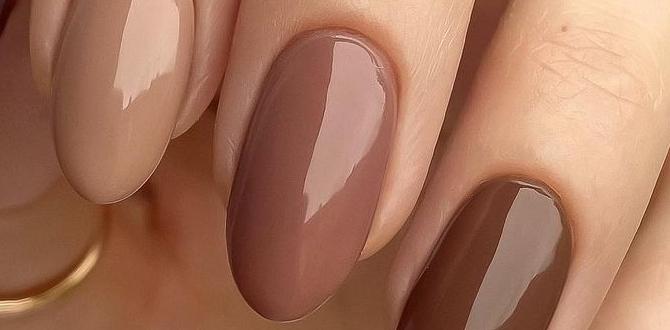
Quick Summary:
Explore the amazing “dip powder nail art possibilities” for stunning designs! Dip powder offers vibrant color, durability, and incredible versatility, allowing beginners to create beautiful, salon-worthy art at home without complex tools.
Are you ready to unlock a world of gorgeous nail art that actually lasts? Dip powder manicures are gaining so much love, and for good reason! They’re dazzling, tough, and surprisingly easy to work with, even for beginners. Forget those frustrating smudges or chipping nails. With dip powder, you can achieve stunning looks that feel totally achievable. We’re about to dive into all the creative ways you can express yourself with this fantastic nail medium. Get ready to be inspired to try something new!
The Magic of Dip Powder for Nail Art
Dip powder nails have truly revolutionized DIY nail art, and it’s easy to see why. Unlike traditional polishes or even gel systems, dip powder offers a unique combination of benefits that make it ideal for creating intricate and durable designs. Think of it as a super-powered, long-lasting polish that you can sculpt and design with.
The beauty of dip powder lies in its formulation. It’s a finely milled acrylic powder that bonds to your nail with a special adhesive liquid. This creates a strong, chip-resistant overlay that can last for weeks. But it’s not just about durability; the vibrant pigment in dip powders makes for stunning, opaque color that pops. This makes it a fantastic base for all sorts of nail art explorations.
One of the best things for beginners is that dip powder is very forgiving. The powders are forgiving, and the process, while detailed, becomes intuitive with a little practice. You don’t need a UV/LED lamp to cure the color, which is a huge plus for many!
Why Dip Powder is a Nail Artist’s Dream
- Incredible Durability: Dip powder manicures are known for lasting 2-4 weeks without chipping or peeling. This means your art stays put!
- Vibrant Pigmentation: The colors are rich and opaque, providing an excellent canvas for any design.
- No UV/LED Curing for Color: The color layers don’t require a lamp; only the clear topcoat activator needs to cure naturally in the air.
- Beginner-Friendly: While it takes a little practice, the core technique is straightforward and less prone to smudging than traditional polish.
- Versatile: It works beautifully as a solid color base and can be combined with other art techniques.
Getting Started: Essential Dip Powder Tools
Before we dive into the fun designs, let’s make sure you have the right gear! Gathering your supplies is the first step to unlocking all those amazing dip powder nail art possibilities. Don’t worry; you don’t need a professional salon’s worth of equipment. A few key items will set you up for success.
Your Dip Powder Toolkit:
- Dip Powder Colors: Start with a few of your favorite shades! Most starter kits come with a base, a clear, and a few colors.
- Base Coat Liquid: This liquid adhesive is crucial for the powder to stick to your nail.
- Activator Liquid: This liquid hardens the powder layers and seals them in.
- Top Coat Liquid: For that glossy, finished look.
- Brush Cleaner: Essential for keeping your brushes soft and usable.
- Nail Files and Buffers: To shape your nails and smooth the surface before and after dipping. You’ll want various grits. A 180-grit file is good for shaping, and a 240-grit buffer is excellent for smoothing the surface.
- Cuticle Pusher/Orange Stick: To gently push back your cuticles for a clean application.
- Lint-Free Wipes: For cleaning but avoid cotton balls as they leave fibers.
- Small Brush or Fan Brush: To brush away excess powder.
Having these on hand will make your dip powder application smooth and enjoyable. Remember, good tools make for better results, and with dip powder, that means longer-lasting, beautiful nails!
Step-by-Step: Dip Powder Basics for Art
Mastering the basic dip powder application is your gateway to all the stunning art possibilities. It might seem like a few extra steps, but once you get the hang of it, it’s a breeze. This process ensures your design has a smooth, durable base.
The Foundation: Classic Dip Powder Application
- Prepare Your Nails: Start by pushing back your cuticles and gently buffing the surface of your natural nails. This helps the base coat adhere better. Make sure they are clean and dry.
- Apply Base Coat: Brush a thin, even layer of the base coat liquid onto one nail. Work one nail at a time, as the base coat dries quickly.
- Dip Your Nail: Immediately after applying the base coat, dip your nail into the dip powder at a 45-degree angle. Gently pull it out.
- Tap and Scrape (Optional but Recommended): Tap off the excess powder. Some people prefer to lay their nail flat on the powder and then lift, which can create a smoother layer. You can also gently scrape off any large clumps of powder.
- Repeat for Opaque Color: Apply another layer of base coat and dip again for a second layer of color. This ensures full opacity and strength.
- Apply Clear Powder (Optional but Recommended): For extra strength or if you plan on doing art that might thin the nail, dip into a clear powder after your color layers.
- Brush Away Excess: Use a soft brush or fan brush to gently remove all loose powder.
- Apply Activator: Apply two thin coats of the activator liquid to your nail, allowing each coat to dry for about 60 seconds. This is what hardens everything.
- Shape and Refine: Once the activator has dried, file and shape your nails as desired. Buff gently to smooth.
- Apply Top Coat: Apply your favorite top coat for a glossy finish. You might need this step twice for maximum shine.
Practice this process a few times, and you’ll see how easily you can achieve a flawless base for your nail art adventures!
Unlocking Dip Powder Nail Art Possibilities: Stunning Designs
Now for the fun part! Dip powder isn’t just for solid colors. Its texture and application method lend themselves beautifully to a variety of nail art techniques. Whether you’re a total beginner or looking to expand your skills, there’s a dip powder design waiting for you. Let’s explore!
1. Ombre & Gradient Nails
Ombre and gradient effects are incredibly popular and surprisingly easy with dip powder. By layering or blending different colors, you can achieve a seamless transition that looks super chic. This is a fantastic starting point for dip powder art.
How to Create Ombre/Gradient Dip Powder Nails:
- Apply Base Coat: Apply the base coat to one nail.
- Dip into First Color: Dip your nail into your lighter or base color powder. Tap off excess.
- Apply Base Coat Again: Brush on a second layer of base coat, but this time, only apply it to about half to two-thirds of the nail, where you want the second color to start.
- Dip into the Second Color: Dip the remaining section of your nail into the second color powder (e.g., a darker shade). Tap off excess.
- Blend (Optional): If needed, you can gently use a brush to lightly blend where the colors meet before dipping in clear.
- Dip in Clear: Apply base coat one last time and dip the entire nail into the clear powder to encapsulate both colors and provide strength.
- Follow Basic Steps: Brush off excess, apply activator, file/shape, and apply top coat as usual.
The key here is to work quickly and strategically with your base coat to create distinct color zones that can then be blended or left as a distinct gradient.
2. Glitter & Shimmer Accents
Glitter and shimmer powders are a dip powder staple, and they’re perfect for adding a touch of sparkle to your nails. You can use them for full coverage, or strategically place them for a dazzling accent.
Accent Nail with Glitter:
- Apply Base Coat to Accent Nail: Prepare one nail for your accent.
- Dip in Base Color: Dip this nail into your chosen base color and tap off excess. Apply activator and let it dry.
- Apply Base Coat Again: Apply base coat only to the tip or a section of your nail where you want the glitter.
- Dip in Glitter: Dip just that section into your glitter dip powder. Tap off excess.
- Encapsulate: Apply base coat to the entire nail and dip into clear dip powder.
- Finish: Brush off excess, apply activator, file/shape, and top coat.
This technique creates a beautiful glitter fade or a sharp glitter tip, similar to French tips but with sparkle!
3. French Tips with Dip Powder
Classic French tips look incredibly clean and sophisticated with dip powder. You can achieve crisp lines using a fine brush or by using a French tip guide.
Crisp French Tip Method:
- Apply Base Color: Apply your nude or pink base color to the entire nail and let it set (you don’t need to activate it just yet).
- Apply Base Coat for Tip: Paint a thin line of base coat liquid precisely where you want the white tip to begin.
- Dip in White Powder: Dip only that section of the nail (the tip) into the white dip powder. Tap off excess.
- Encapsulate: Apply base coat to the entire nail and dip into clear dip powder.
- Activate, File, and Top Coat: Follow the standard steps for activator, filing (to perfect the tip line), and top coat.
For an even cleaner line, you can apply the base color, activate, and file. Then, use the base coat liquid to paint the tip line precisely, dip in white, encapsulate, and finish. Experiment to see what gives you the crispest result!
4. Marbled Looks
Achieving a marble effect with dip powder might seem advanced, but it’s quite manageable. It involves strategically layering colors and then using liquid to gently swirl them.
Simple Dip Powder Marble:
- Apply Base Color: Apply your base color to the entire nail and let it dry.
- Add Color Drops: On a separate surface or card, put small amounts of your desired marble colors (e.g., white, black, gray).
- Apply Base Coat and Swirl: Pour a small amount of base coat liquid onto a clean, flat surface. Using a fine brush, pick up tiny amounts of your marble colors and swirl them into the base coat liquid to create a marbled pattern.
- Transfer the Marble: Carefully press your nail into this marbled liquid mixture.
- Encapsulate: Once the initial layer is set, apply base coat to the entire nail and dip into clear dip powder to secure the marble effect.
- Finish: Brush off excess, apply activator, file/shape, and top coat.
This method requires a bit of finesse, but the results are stunningly unique. Another way is to randomly dip into different colored jars after applying base coat, then use a clean brush to lightly swirl the powder on your nail before the next dip.
5. Glitter Layering and Ombre
Going beyond single glitter accents, you can layer glitters or create glitter ombre effects. This adds depth and complexity to your manicure.
Glitter Ombre:
- Apply Base Color: Apply your desired base color to the entire nail and activate it. File and smooth.
- Apply Base Coat for Glitter: Apply base coat to the top or cuticle area of your nail.
- Dip into Glitter: Dip the section with base coat into a fine glitter powder. Tap off excess.
- Apply Base Coat for More Glitter: Apply base coat further down the nail, overlapping the first glitter layer slightly.
- Dip into a Larger Glitter: Dip into a chunkier glitter or a different color glitter.
- Encapsulate: Apply base coat to the entire nail and dip into clear dip powder.
- Finish: Brush off excess, apply activator, file/shape, and top coat.
This layering technique allows you to create beautiful, dense glitter effects that are both elegant and eye-catching.
6. Subtle Texture with Inclusions
Dip powder allows for embedding small items like tiny rhinestones, foils, or even dried flowers into the powder layers for a truly unique 3D effect. Make sure these are safe to encase within the acrylic.
Adding Foils:
- Apply Base Color: Apply your base color and activate. File smooth.
- Apply Base Coat: Apply base coat where you want your foil to stick.
- Apply Foil: Press a piece of foil onto the wet base coat. Gently rub to transfer the design.
- Encapsulate: Apply base coat to the entire nail and then dip into clear dip powder to fully encase the foil.
- Finish: Brush off excess, apply activator, file/shape, and top coat.
Be careful when filing over foils to avoid scratching them. A thicker layer of clear dip powder can help protect them.
7. Color Blocking and Geometric Designs
Using tape or stickers can help create sharp lines for color blocking or geometric patterns. This requires precision but the results are strikingly modern.
Color Block Example:
- Apply First Color: Apply your first dip powder color and activate. File smooth.
- Apply Tape: Carefully apply nail art tape to create a line where you want the next color to begin. Ensure the tape is sealed down to prevent color bleed.
- Apply Base Coat: Apply base coat to the section above the tape.
- Dip in Second Color: Dip that section into your second dip powder color.
- Remove Tape: While the base coat is still wet, carefully remove the tape.
- Encapsulate: Apply base coat to the entire nail and dip into clear dip powder to seal both colors.
- Finish: Brush off excess, apply activator, file/shape, and top coat.
This is a great way to achieve very precise designs that would be difficult freehand.
Tips for Success with Dip Powder Nail Art
Creating beautiful dip powder nail art is all about technique and a little bit of patience. Here are some pro tips to help you achieve salon-worthy results every time you try a new design.
- Work One Nail at a Time: This is crucial because the base coat dries quickly. Applying base coat to one nail allows you time to dip it before it cures.
- Thin Layers are Key: Avoid thick globs of base coat or powder. Thin, even layers are easier to control and result in a smoother finish.
- Brush Off Excess Powder Gently: Use a soft brush. Too much force can dislodge your application.
- Proper Activation is Non-Negotiable: Ensure you apply enough activator and let it dry completely. This is what hardens the nails and prepares them for filing.
- Invest in Good Files and Buffers: A smooth surface is essential for art. Different grit levels help refine your shape and create a polished look. You can find excellent nail files at most beauty supply stores or online retailers like Amazon.
- Clean Your Brushes: After each use, clean your brushes with brush cleaner to prevent hardening and maintain their softness. This is vital for smooth application of liquids.
- Use Clear Dip Powder for Encapsulation: If you’re adding intricate designs or multiple colors, dipping the final layer in clear powder helps to protect your art and add strength.
- Practice Makes Perfect: Don’t get discouraged! The more you practice, the more comfortable you’ll become with the process and the more creative you can be.
Troubleshooting Common Dip Powder Issues
Even with the best intentions, sometimes a dip powder manicure doesn’t go exactly as planned. Don’t worry, these are common hiccups, and they’re usually fixable! Learning to troubleshoot will boost your confidence and improve your results.
Common Problems & Solutions:
| Problem | Cause | Solution |
|---|---|---|
| Nails Feel Bumpy or Uneven | Thick base
Related Posts |