Candy Sugar Effect Nails: Proven Results
Get ready to dazzle! Candy sugar effect nails are a fun, textured manicure that looks like a sweet treat. This easy DIY guide shows you exactly how to achieve this trendy look at home, with simple steps and proven tips for flawless, sparkling results every time. Let’s get those nails looking deliciously chic!
Hey nail lovers! Lisa Drew here from Nailerguy, and today we’re diving into one of the most delightful nail trends out there: Candy Sugar Effect Nails! If you’ve ever seen those gorgeous, glittery, almost frosted nail designs and wondered, “How on earth do they do that?” – you’re in the right place. Forget complicated techniques; this effect is surprisingly easy to achieve, even for beginners. We’ll walk through everything you need, step-by-step, so you can create your own stunning sugary manis that are sure to turn heads. Get ready to add a sprinkle of magic to your fingertips!
What Exactly Are Candy Sugar Effect Nails?
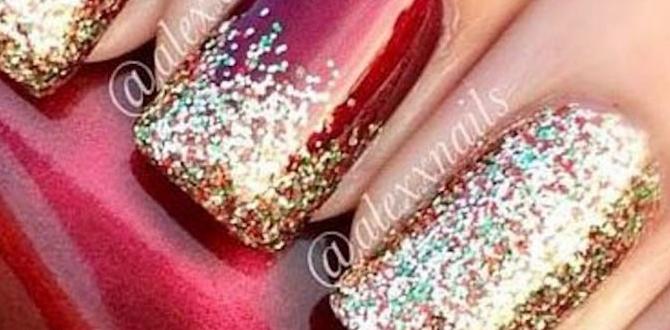
Imagine your nails dipped in a pot of sparkling sugar crystals, but finer, more refined, and deliciously shimmery. That’s the essence of candy sugar effect nails! It’s a nail art technique that creates a textured, dimensional finish, reminiscent of candied fruits, rock candy, or even the delicate frosting on a gourmet pastry. Unlike a flat polish or simple glitter, this effect gives your nails a tactile, eye-catching shine that catches the light beautifully. It’s a way to add a unique, playful, and utterly glamorous dimension to your manicure.
Why You’ll Love This Trend
This trend isn’t just pretty; it’s incredibly versatile and surprisingly simple for the stunning results it delivers. Here’s why it’s a must-try:
- Wow Factor: The 3D texture and high shine are undeniably eye-catching.
- Beginner-Friendly: You don’t need artistic skills to achieve this!
- Customizable: Play with colors, glitter sizes, and placements for endless looks.
- Unique Finish: It’s a step up from a standard manicure, offering a sophisticated sparkle.
- Long-Lasting: When applied correctly, this effect can last as long as your regular gel or polish manicure.
The Magic Ingredients: What You’ll Need
Gathering your supplies is the first exciting step! Don’t worry, most of these are readily available at beauty supply stores or online. For a flawless candy sugar effect, here’s your essential toolkit:
Essential Tools and Products:
- Base Coat: A good quality base coat to protect your natural nails and help polish adhere.
- Colored Nail Polish or Gel Polish: Your desired base color. This can be anything from classic white to vibrant neons or deep jewel tones.
- Top Coat: A non-wipe (no-sticky-residue) gel top coat is highly recommended for gel manicures, as it seals the effect without requiring wiping. Regular air-dry top coats can work for traditional polish, though the effect might be slightly less durable.
- “Sugar” or “Glitter” Powder: This is the star! Look for fine cosmetic-grade glitter, iridescent powders, or specific “sugar effect” or “crystal confetti” powders. The size of the particles will determine the texture. Finer particles give a smoother, frosted look, while slightly larger ones offer more grit and sparkle.
- Small Spatula, Scoop, or Brush: For gently applying the powder.
- Tweezers (Optional): For picking up larger glitter pieces if you want to place them specifically.
- UV/LED Lamp (for Gel Polish): If you’re using gel polish, this is crucial for curing the gel layers.
- Rubbing Alcohol or Nail Cleanser & Lint-Free Wipes: To clean the nail surface before and after.
Choosing the right “sugar” powder is key to the final look. For a truly refined candy effect, opt for very fine grade glitters or iridescent powders. Brands that specialize in nail art often have specific “sugar” or “crystal” powders designed for this purpose. You can experiment with different particle sizes and shapes!
Achieving the Candy Sugar Effect: A Step-by-Step Guide
Ready to create some magic? Follow these simple steps for a stunning candy sugar effect manicure. We’ll cover both traditional polish and gel polish methods, as they’re quite similar.
Step 1: Prep Your Nails
This is fundamental for any long-lasting manicure. Start with clean, dry nails. Gently push back your cuticles and buff the nail surface lightly to remove shine. Cleanse the nails thoroughly with rubbing alcohol or a nail cleanser to remove any oils or dust. Apply a thin layer of base coat and let it dry completely (or cure under your lamp if using gel).
Step 2: Apply Your Base Color
Apply one or two thin, even coats of your chosen colored nail polish or gel. Ensure each coat is fully dry or cured before moving to the next. This color will show through the “sugar” and create the base for your candy effect. A smooth, streak-free application here is important.
Step 3: The “Sugar” Application – The Core Step!
This is where the enchantment happens! There are a couple of popular ways to apply the sugar effect powder:
Method A: The “Sprinkle” Method (Best for finer powders and a more diffused look)
- Apply a thin layer of UNICURED top coat over the colored polish. (If using traditional polish, you might need a slightly tackier top coat, or work quickly on a slightly less-than-fully-dried polish).
- While the top coat is still wet/tacky, gently sprinkle your chosen “sugar” powder evenly over the nail. You can use a small scoop, the tip of your spatula, or even carefully tip the powder container over the nail.
- For a more concentrated effect, you can dip the nail directly into a small dish of the powder, but be careful not to overload it.
- Gently tap off any excess powder.
Method B: The “Press-In” Method (Great for ensuring full coverage and texture)
- Apply your final thin coat of colored polish. For gel polish, DO NOT CURE IT YET. For traditional polish, make sure it’s still wet and tacky.
- Using your small brush or spatula, gently scoop a small amount of the “sugar” powder and carefully press it onto the wet polish on your nail. Work from cuticle to tip, ensuring even coverage.
- Alternatively, you can pour a small amount of powder into a dish and gently press your wet nail into it.
- Once the entire nail is covered, gently tap off any excess powder.
Pro Tip: For a more intense candy effect, especially with gel polish, you can apply the powder over a fully cured colored gel layer and then apply a thin layer of unicured top coat over that colored gel. Then sprinkle or press your sugar powder onto the uncured top coat. This builds more texture!
Step 4: Seal the Deal!
This step is critical for locking in the texture and shine.
- For Gel Polish: Apply a thin, even layer of non-wipe gel top coat over the entire nail, making sure to cap the free edge. Don’t rub the brush too hard, as you want to preserve the texture. “Flood the nail” gently but precisely. Cure under your UV/LED lamp according to the lamp’s instructions.
- For Traditional Polish: Apply a thin layer of a good quality, quick-drying top coat. Again, work gently to avoid disturbing the texture. You might find that two thin layers of top coat work better than one thick one to fully encapsulate the powder.
Important Note: Using a “non-wipe” gel top coat is highly recommended for gel manicures. If you use a wipe-off gel top coat, you’ll need to wipe away the sticky layer after curing, which can potentially dull the sugar effect or remove some of the texture. If you only have a wipe-off top coat, be extra gentle when wiping or consider applying a non-wipe top coat as a final sealing layer.
Step 5: Clean Up and Admire!
Once your top coat is fully cured (for gel) or dry (for traditional polish), gently brush away any loose powder from the sides of your fingers and under your nails with a soft brush. You can also wipe gently with a lint-free wipe if needed.
And voilà! You have stunning candy sugar effect nails!
Visualizing the Process: A Comparison Table
To help you decide on the best approach for your manicure, here’s a quick comparison of the application methods:
| Factor | Method A: Sprinkle Method | Method B: Press-In Method |
|---|---|---|
| Best For | Fine powders, diffused shimmer, frosted look. | Ensuring full coverage, building texture, bolder glitter. |
| Application Technique | Sprinkling powder onto wet polish/top coat. | Pressing powder into wet polish or onto uncured gel. |
| Control Over Placement | Moderate; can be harder to control for precise areas. | Higher; easier to target coverage and build density. |
| Texture Result | Generally smoother, more subtle. | Can be grittier and more pronounced. |
| Ease for Beginners | Very easy, less messy if done carefully. | Slightly more hands-on, but very manageable. |
Variations and Creative Ideas for Candy Sugar Nails
The beauty of the candy sugar effect lies in its adaptability. Don’t be afraid to experiment! Here are a few ideas to spark your creativity:
- Ombre Sugar Effect: Blend two colors of polish and then apply the sugar powder to create a gradient of sparkle.
- Full Glitter Base: Apply the sugar effect over a base of chunky glitter polish for an ultra-glamorous, textured sparkle.
- Accent Nail Highlight: Reserve the candy sugar effect for just one or two accent nails to make them pop against a classic colored manicure.
- French Tip Candy: Apply the sugar effect only to the tips of the nails for a sparkly twist on the French manicure.
- 3D Accents: Use slightly larger glitter or confetti shapes and apply them strategically with tweezers over the sugar base for added dimension.
- Matte Sugar Finish: After applying the candy sugar effect and sealing it with a non-wipe top coat, go over the entire nail with a matte top coat for a unique, velvety finish that still has that sugary texture.
The possibilities are truly endless, and the most important thing is to have fun with it!
Troubleshooting Common Issues
Even the most straightforward techniques can have their quirks. Here are some common issues and how to solve them:
- Uneven Texture:
- Problem: Some areas have too much powder, others too little.
- Solution: Ensure you’re applying the powder evenly. For the sprinkle method, use a gentle, consistent shake. For the press-in method, use a steady hand. It’s often better to build coverage in thin layers rather than one thick one.
- Powder Falling Off:
- Problem: The sugar effect starts peeling or falling off quickly.
- Solution: This usually means the base (polish or top coat) wasn’t tacky enough, or the top coat wasn’t applied properly. Make sure your base color isn’t fully cured before applying powder (if using gel) or is still wet/tacky (for traditional polish). Seal thoroughly with your top coat, ensuring it fully encapsulates the powder and you cap the free edge.
- Dull Finish:
- Problem: The shine isn’t as vibrant as expected.
- Solution: This can happen if you rub the top coat too vigorously, especially over the textured powder. Apply gel top coat gently and evenly. For traditional polish, use a high-shine, quick-dry formula and avoid over-brushing. Ensure your powder is fine and reflective!
- Rough Edges:
- Problem: The powder feels too gritty or has sharp edges.
- Solution: This is often due to the particle size of your “sugar” powder. Opt for finer cosmetic glitters or powders specifically labeled for a smoother “sugar” effect. Ensure your top coat is thick enough to provide a smooth surface.
Frequently Asked Questions (FAQ)
Q1: Can I use regular non-gel nail polish for candy sugar effect nails?
A1: Yes, you absolutely can! While gel polish offers superior durability and shine, you can achieve a beautiful candy sugar effect with regular nail polish. The key is to work quickly while the polish is still wet and tacky, and to use a good quality, fast-drying top coat to seal the powder in.
Q2: What kind of glitter should I use for the “sugar” effect?
A2: For the best candy sugar effect, use very fine cosmetic-grade glitter, iridescent pigments, or powders specifically designed for this technique. Chunky glitter will create a different, more textured look, but for the classic frosted or candied appearance, fine particles are essential. You can find these at most beauty supply stores or online nail art suppliers.
Q3: How do I make the sugar effect less gritty?
A3: To achieve a smoother, less gritty finish, use very fine glitter or iridescent powder. Ensure you apply a generous, but not overly thick, layer of top coat that fully smooths over the texture. Two thin coats of top coat are often better than one thick one to create a perfectly smooth, encapsulated surface.
Q4: Can I do this effect on my natural nails or only on acrylics/gels?
A4: This effect can be done on natural nails, gel-polished nails, or acrylics! The application process is very similar. The longevity might vary slightly depending on your base manicure, but the technique itself works beautifully on all nail types.
Q5: How long does a candy sugar effect manicure typically last?
A5: When applied correctly using gel polish and a good non-wipe top coat, this manicure can last as long as a standard gel manicure, typically 2-3 weeks. With regular polish, it might last 5-7 days, depending on your top coat and how careful you are with your hands.
Q6: Can I create different colors of sugar effect?
A6: Absolutely! You can buy “sugar effect” or fine glitter powders in a vast array of colors. You can also achieve different looks by applying the powder over different colored bases. For instance, a pearly white powder over a blue base will look different from the same powder over a pink base.
Q7: Is there a specific temperature I should do my nails in?
A7: While not strictly required, avoiding extreme temperatures can help ensure your polish or gel cures properly and your powders adhere well. For gels, it’s important that your UV/LED lamp is functioning correctly. For traditional polish, working in a room with moderate temperature and humidity can help with drying time and adhesion.
The Science of Shine: Understanding Nail Coatings
Understanding how nail coatings work can help you achieve better results. A good base coat creates a uniform, slightly porous surface for polish to adhere to, preventing it from chipping easily and protecting your natural nail from staining. This is crucial for any nail art, including the candy sugar effect. The colored polish layer provides the visual foundation. The magic truly happens with the powder application, where fine particles adhere to a tacky surface—either wet polish or uncured gel top coat—creating that unique texture. Finally, the top coat acts as a protective shield. For gels, the UV/LED light triggers a chemical reaction, polymerizing the liquid monomers into a solid, durable plastic. For regular polish, solvents evaporate, allowing the film-forming ingredients to solidify. A good non-wipe top coat for gel is designed to cure completely without leaving a tacky inhibition layer, which is perfect for preserving the textured finish of sugar nails. For a deeper dive into the chemistry of nail polish and gels, resources from institutions like the National Institute of Standards and Technology (NIST) offer insights into material science and polymer chemistry that contribute to modern cosmetic products.
Conclusion: Your Sweetest Manicure Awaits!
There you have it – your comprehensive guide to creating stunning candy sugar effect nails right at home