Abstract nail design ideas can be simple, striking, and surprisingly easy to achieve at home. You don’t need to be an artist to create cool, unique looks that express your style. We’ll guide you through straightforward techniques, essential tools, and inspiring concepts perfect for any skill level.
Love the idea of unique nails but feel like you need a professional artist’s touch? You’re not alone! Sometimes nail art can seem complicated and intimidating, especially when you’re just starting. But guess what? Creating eye-catching abstract nail designs is totally achievable right at your fingertips, even if your artistic experience is limited to stick figures. These designs focus on shapes, colors, and lines rather than realistic imagery, meaning you can play and experiment without pressure. We’re here to show you how to unlock your inner nail artist with simple, fun, and totally doable abstract ideas. Get ready to give your nails a whole new personality!
What Exactly Are Abstract Nail Designs?
Abstract nail designs are all about creativity and self-expression. Instead of trying to paint a flower, a portrait, or a recognizable object, you’re playing with colors, lines, shapes, and textures. Think of it like modern art for your nails! These designs can range from simple dots and stripes to more complex, free-flowing patterns. The best part? There are no strict rules. It’s all about what looks cool and feels like you. This style is fantastic for beginners because it allows for a lot of freedom and isn’t about perfection. Smudges can even become part of the design!
Why Abstract Nail Designs Are Perfect for Beginners
If you’re new to nail art, the world can seem a bit overwhelming with all the intricate techniques and tiny brushes. Abstract nail designs are your perfect entry point. Here’s why they’re so beginner-friendly:
- Forgiving Nature: Unlike detailed portraits, abstract designs embrace imperfection. A slightly wobbly line or an imperfect dot can add character.
- Simplicity: Many abstract looks rely on basic elements like dots, lines, and color blocking, which are easy to master.
- Creativity Unleashed: There are no right or wrong answers. You can experiment with colors and shapes to find what you love.
- Minimal Tools Needed: You often don’t need a lot of fancy equipment to get started. Basic nail polish and a few simple tools can go a long way.
- Quick Results: Many abstract designs can be completed in a short amount of time, making them ideal for busy schedules.
Essential Tools for Abstract Nail Art
You don’t need a professional nail salon setup to create stunning abstract nail designs. A few handy tools will get you well on your way. Here are the essentials:
- Nail Polish: Of course! Stock up on your favorite colors.
- Base Coat: Protects your natural nails and helps polish adhere.
- Top Coat: Seals your design and adds shine for longevity.
- Dotting Tools: These come with metal tips in various sizes. Perfect for creating dots, swirls, and small shapes. You can find excellent dotting tool sets online at reputable beauty supply retailers.
- Thin Nail Art Brushes: A fine-tipped brush is great for drawing lines, squiggles, and adding fine details.
- Toothpicks or Bobby Pins: Simple household items that work wonders for creating small dots or dragging polish for a marbled effect.
- Clean-up Brush: A small brush (like a clean makeup brush or a stiff art brush) dipped in nail polish remover is perfect for tidying up edges and cleaning away mistakes.
- Sticky Tape or Stencils (Optional): For creating crisp lines and geometric shapes.
Getting Started: Basic Abstract Techniques You Can Master
Ready to dive in? Let’s explore some simple techniques that are the building blocks of many cool abstract nail designs.
1. The Power of Dots
Dots are the foundation of so many fun abstract designs. They’re easy to make and can be arranged in countless ways.
How-to:
- Apply your favorite base coat and let it dry completely.
- Paint your nails with your chosen base color and allow it to dry thoroughly. A good rule of thumb is to wait at least 5 minutes, or until the polish is no longer tacky.
- Dip the tip of your dotting tool (or toothpick/pin) into a contrasting nail polish color.
- Gently press the dotting tool onto your nail to create a dot. For a consistent size, try to get the same amount of polish on the tool each time.
- Repeat to create patterns: scatter dots randomly, line them up, create a gradient of sizes, or make flower-like shapes.
- Once dry, finish with a top coat.
2. Effortless Lines and Stripes
Lines add a modern, graphic element. From thin, delicate lines to bold stripes, they’re surprisingly easy!
How-to (Freehand Lines):
- Prepare and paint your nails as usual (base coat, color, dry time).
- Dip a thin nail art brush or a dotting tool with a fine tip into a contrasting polish.
- Carefully draw your lines or stripes. Start with a light touch. You can make them straight, wavy, diagonal, or zig-zag.
- Clean your brush with polish remover before switching colors.
- Let dry and seal with a top coat.
How-to (Using Tape for Crisp Stripes):
- Paint your nail with your first color and let it dry completely.
- Apply strips of nail art tape (or even regular scotch tape cut into thin strips) where you want your first color to end and your second color strip to begin. Press the edges down firmly to prevent polish from bleeding underneath.
- Paint over the tape with a contrasting color.
- While the polish is still wet, carefully peel off the tape. This will reveal a clean, crisp line.
- Repeat for other colors or sections as desired, allowing each layer to dry before taping.
- Finish with a top coat once everything is fully dry.
3. Swirls and Marbling Effects
These techniques create organic, flowing designs that look complex but are quite simple to achieve.
How-to (Simple Swirls):
- Apply base color and let it dry.
- Using two contrasting colors and a dotting tool or fine brush, place a couple of small dots of each color next to each other.
- Gently drag the dotting tool or brush through the dots in a swirling motion to blend them slightly.
- For a more marbled look, you can add an extra dot of a third color and swirl it in.
- Don’t over-swirl, or the colors will become muddy. A few gentle strokes are usually enough.
- Seal with a top coat.
4. Color Blocking Made Easy
This involves painting different sections of your nail with distinct colors. It’s bold and modern.
How-to:
- Paint your nail with a base color. Let it dry.
- Use nail art tape (or even masking tape) to section off parts of your nail. For example, you could tape off the top half or create diagonal lines.
- Paint the exposed sections with different colors.
- While the polish is wet, carefully remove the tape to reveal a sharp dividing line.
- Allow to dry completely before applying a top coat.
5. Texture Play
Adding a bit of texture can make your abstract design pop. Think speckles, fine glitter, or even sand effects.
How-to (Speckled/Galaxy Effect):
- Paint your nails with your base color and let them dry.
- For a speckled or galaxy look, take a stiff brush (like an old toothbrush or a stiff makeup brush) and dip it into white or a lighter contrasting polish.
- Hold the brush over your nail and lightly flick the bristles with your finger to splatter tiny dots of polish onto the nail.
- Do this sparingly for a subtle effect, or more heavily for a denser look.
- Let dry completely and top coat. You can also add a few larger dots with a dotting tool for more dimension.
Inspiring Easy Abstract Nail Design Ideas
Ready for some concrete ideas to try? Here are a few simple concepts that use the techniques above. Remember, these are starting points – feel free to adapt them!
1. Minimalist Lines and Dots
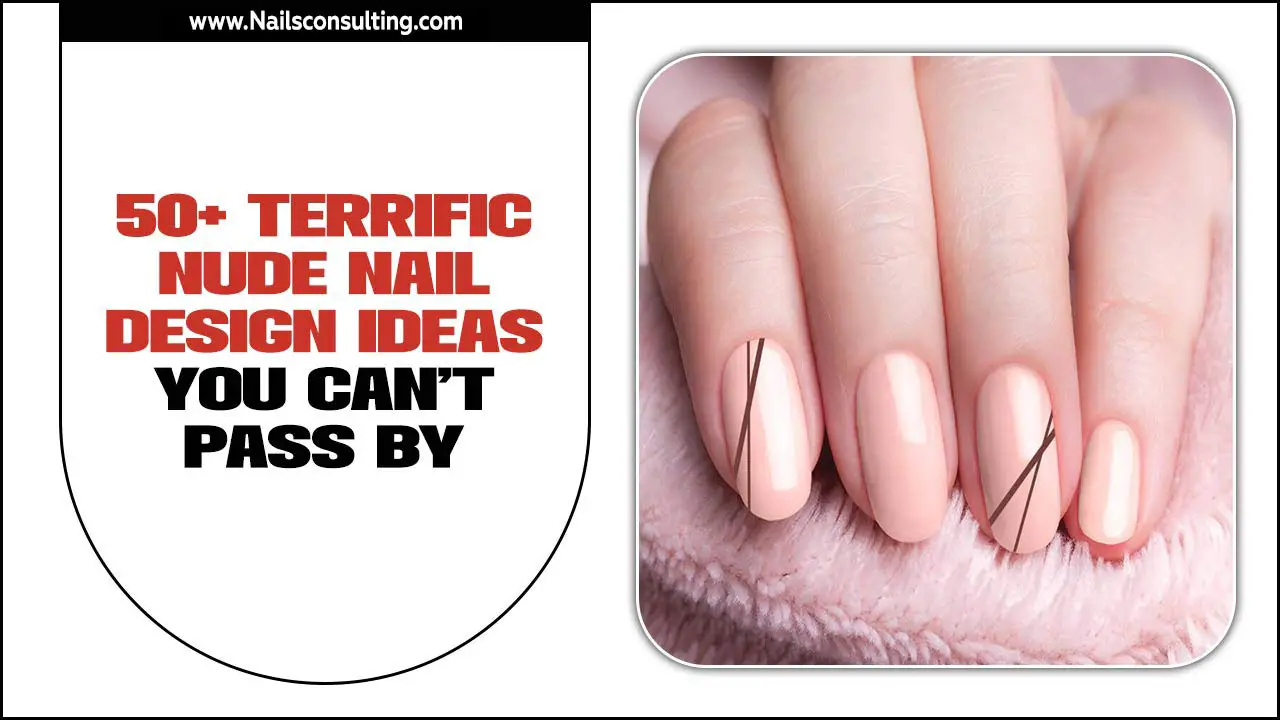
Concept: Clean and chic. A single fine line or a few scattered dots on a neutral or sheer base color.
How-to: Paint nails with a sheer nude, pale pink, or white polish. Once dry, use a fine art brush to paint a single black or gold line diagonally across one or two nails, or place three small, evenly spaced black dots on another nail. Finish with a high-shine top coat.
2. Geometric Color Block
Concept: Modern and bold. Think sharp angles and contrasting colors.
How-to: Use nail tape to create geometric sections on your nails. Paint one section with a deep navy, another with a bright coral, and perhaps a third with a clean white. Carefully peel off the tape when wet to get crisp lines. A black or metallic accent can add extra punch.
3. Abstract Splatter Art
Concept: Energetic and artsy. Mimics a painter’s canvas.
How-to: Start with a white or black base. Then, using the splatter technique described earlier with 2-3 contrasting colors (e.g., pink, yellow, blue), flick polish onto each nail. Don’t worry about coverage; the more layered and random, the better. Seal with a clear top coat.
4. Wavy Lines and Swirls
Concept: Fluid and organic. These designs bring a sense of movement.
How-to: On a pastel base (like mint green or baby blue), use a fine brush to draw a few thin, flowing wavy lines in white or a darker shade. Alternatively, use the swirl technique with two complementary colors on one nail to create a gentle marbled effect. Seal with a top coat.
5. Dot Gradient
Concept: A subtle way to incorporate dots with a sense of progression.
How-to: Paint your nails with your chosen base color. Using a dotting tool, create dots of a contrasting color starting small and close together at the cuticle, then getting slightly larger and further apart as you move towards the tip. Or, try a gradient of dot sizes across the nail. Finish with a top coat.
6. Negative Space Designs
Concept: Trendy and sophisticated. You leave parts of your natural nail visible.
How-to: Apply a clear or sheer base coat. Use nail tape to create shapes (lines, triangles, squares) on your nail. Paint over the tape with a bold color like red or black. Carefully peel off the tape while the polish is still wet, revealing the natural nail (or a base color) underneath the taped areas. Seal with a top coat.
Table of Popular Main Abstract Nail Styles
Here’s a quick look at some distinct abstract nail styles and what defines them:
| Style Name | Key Elements | Beginner Friendliness | Tools Primarily Used |
|---|---|---|---|
| Geometric | Sharp lines, blocks of color, strong shapes (squares, triangles, chevrons) | High (especially with tape) | Nail tape, thin brushes, dotting tools |
| Organic/Fluid | Curves, swirls, blobs, random shapes, painterly strokes | Medium to High | Fine brushes, dotting tools, toothpicks |
| Minimalist | Simple elements like single lines, dots, or small color accents on a neutral base | Very High | Fine brushes, dotting tools |
| Textured | Incorporates materials like glitter, sand, or creates a speckled effect | Medium | Various tools for application, including brushes and some technique (like flicking) |
| Color Block | Distinct, solid blocks of color divided by clear lines | High (especially with tape) | Nail tape, brushes |
Tips for Success and Longevity
Creating beautiful abstract nails is only half the battle. Here are some tips to make sure your creations look fantastic and last:
- Prep is Key: Always start with clean, dry nails. Push back your cuticles and gently buff the nail surface for a smooth canvas. A good base coat is non-negotiable for preventing staining and ensuring polish longevity.
- Let Each Layer Dry: This is a golden rule for any nail art. Rushing can lead to smudging and a messy finish. Be patient!
- Thin Coats are Better: Applying multiple thin coats of polish is more durable and less prone to chipping than one thick coat.
- Clean Up Mistakes: Don’t fear minor slip-ups! Keep a small brush dipped in nail polish remover handy to clean up any polish that gets on your skin. This makes a huge difference in the final look. This practice is actually a staple technique in professional manicures, a tip you can learn from resources like the Nailymania Nail Health Guide.
- Seal with a Top Coat: Always finish with a good quality top coat. This not only adds shine but also protects your design from chipping and fading. Reapply your top coat every few days if needed to extend the life of your manicure.
- Experiment with Combinations: Don’t be afraid to mix techniques. A few dots here, a stripe there, maybe a bit of color blocking. Abstract art is all about experimentation!
- Practice Makes Progress: The more you practice, the steadier your hand will become, and the more confident you’ll feel in trying new designs. Your nails are a canvas – have fun with them!
Frequently Asked Questions (FAQ)
What kind of nail polish is best for abstract art?
For most abstract designs, regular nail polish works wonderfully! Cream finishes are great for solid colors. For fine lines or dots, polishes with a good flow are ideal. You can also use polishes with glitter, metallic finishes, or even shimmers to add dimension to your abstract designs.
How do I stop my nail polish from smudging when doing abstract designs?
The key is patience! Ensure each layer of polish is completely dry before adding the next. If you’re using tape, make sure the base color is dry enough that an entire layer won’t lift off with the tape. For freehand designs, work slowly and give each element time to set before touching it. Always finish with a good quality top coat, applied gently so as not to disturb the design.
Do I need special brushes for abstract nail art?
While specialized nail art brushes are fantastic for creating precise lines and details, you can absolutely start with simple tools. Dotting tools (which come in various ball