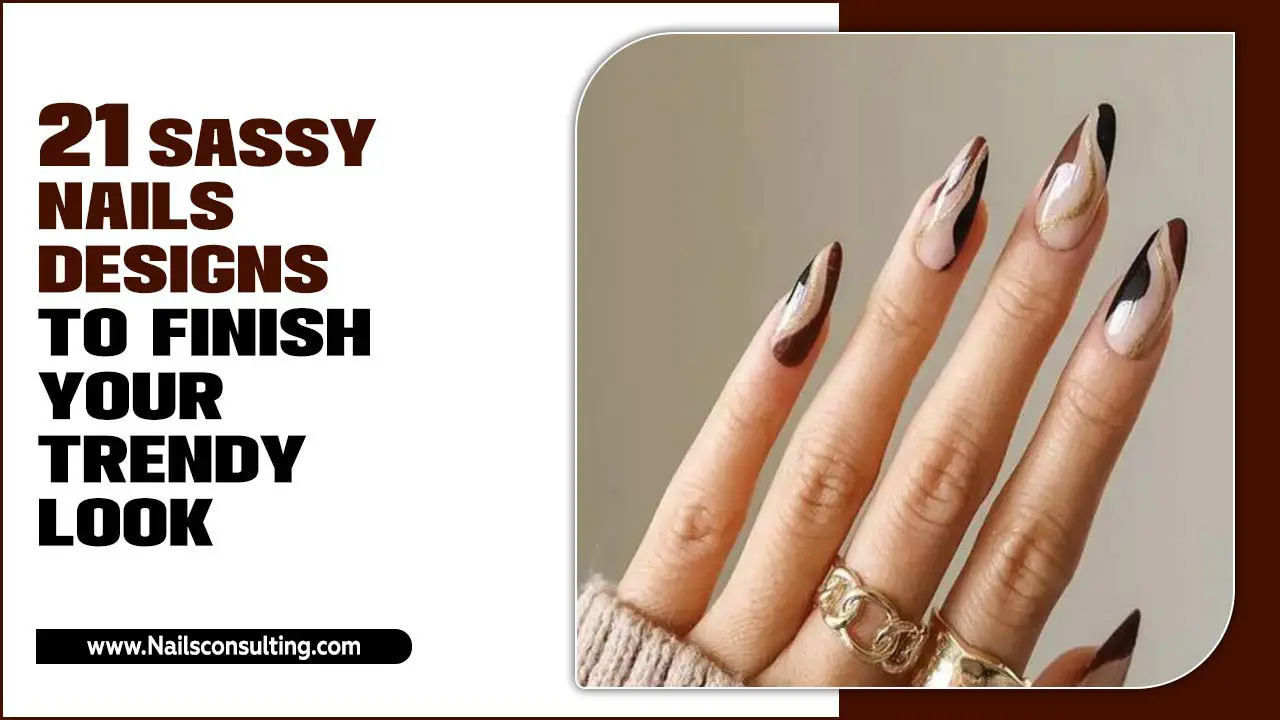
Geometric line nail art tutorials are the perfect way to elevate your manicure! These designs use simple lines and shapes to create chic, modern looks. They’re surprisingly easy for beginners to master with the right tools and techniques, offering endless creative possibilities for stylish self-expression.
Ever looked at those perfectly crisp lines and sharp angles on a manicure and thought, “No way can I do that”? You’re not alone! Geometric line nail art might seem intricate, but it’s actually one of the most accessible and rewarding DIY nail art trends for beginners. It’s all about playing with basic shapes and clean lines to create a look that’s both sophisticated and strikingly modern. Forget those frustrating smudges and wobbly attempts; this guide is here to show you how to achieve professional-looking geometric designs right at home. Get ready to unleash your inner artist and transform your nails into tiny masterpieces!
Your Geometric Line Nail Art Toolkit
Before we dive into the fun designs, let’s gather your essential supplies. Don’t worry, you don’t need a whole salon’s worth of products!
Base Coat: Crucial for protecting your nails and ensuring your colors pop.
Top Coat: Seals your design, adds shine, and makes your manicure last longer.
Nail Polish Colors: Choose a few colors that complement each other. Think neutrals, metallics, or a vibrant pop!
Fine-Tipped Nail Art Brush or Dotting Tool: This is your magic wand for precise lines. A striping brush with a long, thin bristle is fantastic for drawing lines.
Nail Polish Remover & Cotton Swabs: For those inevitable little oops moments and cleaning up edges.
Optional: Striping Tape or Stencils: These are lifesavers for creating super sharp, straight lines and geometric shapes. You can find these at most beauty supply stores.
Optional: Tweezers: Handy for placing striping tape precisely.
Understanding the Basics: Your Geometric Canvas
The beauty of geometric line art lies in its simplicity. We’re talking about lines that go straight, lines that curve, dots, checks, and triangles. The key is precision and patience.
Clean Nail Prep: Always start with clean, dry nails. Push back your cuticles and file your nails into your desired shape.
Smooth Base: Apply a thin, even layer of your base coat and let it dry completely.
Color Application: Apply 1-2 coats of your chosen base color(s) and let them dry thoroughly. This is super important to prevent smudging when you add your geometric details.
Beginner-Friendly Geometric Line Nail Art Tutorials
Let’s get creative! Here are some super simple yet stylish geometric designs you can try.
1. The Classic Straight Line Accent
This look is effortlessly chic and incredibly easy to do.
What You’ll Need:
Base coat
Your main nail polish color (e.g., nude, black, white)
A contrasting color for the line (e.g., gold, silver, a bright shade)
Fine-tipped nail art brush
Step-by-Step:
1. Prep and Polish: Apply your base coat and then 1-2 coats of your main color. Let it dry completely.
2. The Line: Load your fine-tipped brush with the contrasting polish.
3. Draw with Confidence: Starting from one corner of your nail (near the cuticle), draw a single, clean straight line down to the opposite corner of the free edge. You can also do a line vertically up the center or horizontally across the tip.
4. Clean Up: Dip a cotton swab in nail polish remover to clean up any stray marks around your cuticle or sidewalls.
5. Seal It In: Once dry, apply a layer of top coat.
Pro Tip: For the steadiest hand, rest your pinky fingers on your work surface while you paint.
2. The Half-Moon Geometric Peekaboo
This design adds a subtle geometric element to a classic look.
What You’ll Need:
Base coat
Your main nail polish color (e.g., pastel pink, soft gray)
A metallic or dark contrasting color (e.g., rose gold, navy)
Fine-tipped nail art brush OR striping tape
Step-by-Step (Nail Art Brush Method):
1. Prep and Polish: Apply your base coat and then 1-2 coats of your main color. Let it dry fully. This color will appear in the “peekaboo” section.
2. The Curve: Using your fine-tipped brush and the contrasting color, carefully paint a curved line along your cuticle area, resembling a half-moon.
3. Fill (Optional): You can leave it as a line or carefully fill in the half-moon shape.
4. Clean Up: Clean any mistakes with a nail polish remover-dipped cotton swab.
5. Seal It In: Apply your top coat.
Step-by-Step (Striping Tape Method):
1. Prep and Polish: Apply your base coat and then 1-2 coats of your main color. Let it dry completely.
2. Apply Tape: Carefully place a strip of nail vinyl or striping tape in a curved shape along your cuticle. Press down the edges firmly.
3. Paint Over: Apply 1-2 thin coats of your contrasting color over the entire nail, including the tape.
4. Remove Tape: While the polish is still slightly wet (but not tacky), gently peel off the tape using tweezers if needed. This reveals the clean line. If the polish is too dry, it might peel off with the tape. If it’s too wet, it will smudge.
5. Clean Up & Seal: Clean up edges and apply a top coat once the polish is perfectly dry.
Why it works for beginners: Striping tape offers a foolproof way to get a perfectly smooth curve.
3. The Minimalist Triangles
Triangles are simple shapes that pack a geometric punch.
What You’ll Need:
Base coat
Your main nail polish color
A contrasting color
Fine-tipped nail art brush OR striping tape
Step-by-Step (Nail Art Brush Method):
1. Prep and Polish: Apply base coat and your main color. Let it dry.
2. First Line: Paint a short, straight line near the tip of your nail.
3. Second Line: From one end of the first line, draw another line diagonally downwards.
4. Third Line: Connect the other end of the first line to the end of the second line with a third line, forming a triangle.
5. Repeat & Vary: You can do a single triangle, multiple small triangles, or even connect them. Experiment with different sizes and placements.
6. Clean Up & Seal: Clean excess polish and apply top coat.
Step-by-Step (Striping Tape Method):
1. Prep and Polish: Apply base and main color. Let dry.
2. Create a Template: Place three short pieces of striping tape on the nail to form a triangle. Ensure the edges are pressed down well.
3. Paint: Apply your contrasting color over the entire nail and tape.
4. Remove Tape: While slightly wet but not tacky, carefully remove the tape. You’ll have a negative space triangle where the tape was.
5. Clean Up & Seal: Clean edges and top coat.
Tip: For even sharper triangles, try painting the inside of the tape stencil with your contrasting color, then removing the tape.
4. The Grid / Checkered Nail
This design is bold and modern, and surprisingly achievable.
What You’ll Need:
Base coat
Two contrasting nail polish colors (e.g., black and white, navy and beige)
Fine-tipped nail art brush OR striping tape
Step-by-Step (Striping Tape Method – Recommended for Beginners):
1. Base Color: Apply your base coat and then 1-2 coats of your first color. Let it dry completely.
2. First Set of Lines: Apply 2-3 horizontal strips of striping tape across the nail, spaced evenly. Ensure edges are firm.
3. Second Set of Lines: Apply 2-3 vertical strips of striping tape, crossing over the horizontal ones, also spaced evenly. You should now have a grid pattern formed by the tape.
4. Paint the Grid: Apply 1-2 thin coats of your second color over the entire nail.
5. The Crucial Removal: While the second color is still slightly wet, gently peel away all the striping tape using tweezers. This reveals the crisp grid. Be patient here!
6. Clean Up & Seal: Clean any smudges with a precision cotton swab dipped in nail polish remover and apply a generous top coat.
Step-by-Step (Freehand with Brush – More Advanced):
1. Base Color: Apply base coat and your first color. Let dry fully.
2. Horizontal Lines: Using your fine brush and second color, carefully paint 2-3 evenly spaced horizontal lines across the nail. Let them dry completely.
3. Vertical Lines: Now, carefully paint 2-3 evenly spaced vertical lines crossing the horizontal ones. Patience is key here. Try to keep the strokes steady.
4. Clean Up & Seal: Clean up any wavering lines and apply top coat.
Tip: For a “negative space” grid, paint the lines on top of a clear or nude base coat and leave some areas unpainted.
5. The Angled French Tip
A modern twist on a classic!
What You’ll Need:
Base coat
Your main nail polish color
A contrasting color for the tip
Fine-tipped nail art brush OR striping tape
Step-by-Step (Striping Tape Method):
1. Prep and Polish: Apply base coat and your main color. Let dry completely.
2. Place the Tape: Apply a strip of tape from one side of your nail to the other, creating a diagonal line across the tip. Imagine where you want the edge of your new tip to be.
3. Paint the Tip: Apply your contrasting color over the part of the nail above the tape.
4. Remove the Tape: While the tip polish is still slightly wet but not tacky, carefully peel off the tape.
5. Clean Up & Seal: Clean edges and apply top coat.
Step-by-Step (Freehand Method):
1. Prep and Polish: Apply base coat and your main color. Let dry.
2. Sketch the Angle: With your fine brush and contrasting color, draw a line from one sidewall up to an angle near the center of your nail. Repeat on the other side.
3. Connect and Fill: Connect the two lines with a straight or slightly curved line across the top edge of your nail. Fill in the tip area.
4. Clean Up & Seal: Clean up and apply top coat.
Tools for Precision: Making Lines Sing
The right tools make all the difference. Here’s a breakdown of why they’re your best friends for geometric nail art.
| Tool | Description | Why It’s Great for Geometric Lines |
| :———————– | :——————————————————————————————————— | :——————————————————————— |
| Fine-Tipped Nail Art Brush | A brush with very thin, soft bristles. Often called a “liner” or “striping” brush. | Allows for drawing delicate, precise lines and intricate patterns. |
| Dotting Tool | A tool with small metal balls at the end of varying sizes. | Excellent for creating perfectly round dots, which can be part of geometric designs, or small anchors for lines. |
| Nail Striping Tape | Thin, adhesive tapes in various colors (often metallic gold or silver) designed for nail art. | Creates super sharp, perfectly straight lines and geometric sections. |
| Nail Vinyls/Stencils | Pre-cut adhesive stickers in various geometric shapes and patterns. | Offer a foolproof way to achieve complex shapes with clean edges. |
| Precision Cotton Swabs | Standard cotton swabs, but invaluable when dipped in nail polish remover for cleanups. | Essential for tidying up edges, correcting minor mistakes, and achieving a professional finish. |
| Tweezers | Small pointed tweezers. | Perfect for precisely placing and lifting striping tape or nail vinyls. |
Advanced Geometric Inspiration (for when you’re feeling brave!)
Once you’ve mastered the basics, you can try these slightly more intricate ideas.
1. The Broken Line Effect
This looks complex but is all about controlled imperfection.
How-To: Use your fine-tipped brush and a contrasting color. Paint a short line, then leave a tiny gap, then paint another short line. Continue this pattern. You can make it look like a dashed line or a series of disconnected geometric segments.
2. The Negative Space Chevron
A chic V-shape that leaves parts of your nail showing through.
How-To: Use striping tape to create a V-shape at your nail tip. Paint the area above the tape with your chosen color. Once dry, remove the tape to reveal the unpainted V. Seal with top coat.
3. Dual-Color Geometric Blocks
Combine different geometric shapes in alternating colors.
How-To: Paint your base color. Then, using striping tape or a brush, create shapes like squares, triangles, or sharp angles. Fill some with one color and others with a different color, or use one color for the lines and another for the fills.
Tips for Long-Lasting Geometric Nails
Achieving beautiful geometric art is one thing, keeping it looking great is another!
Dry Time is Your Friend: Seriously, let each layer dry completely. Rushing is the enemy of crisp lines.
Thin Layers: Apply thin coats of polish. Thick polish takes longer to dry and is more prone to smudging.
Good Quality Top Coat: A high-quality, quick-drying top coat will seal your design, add shine, and prevent chipping. Apply it generously but carefully to avoid disturbing the art.
Avoid Harsh Chemicals: When cleaning or doing household chores, wear gloves. Harsh cleaning products can degrade your polish and top coat.
Touch-Ups: It’s normal for nail art to chip slightly along the edges over time. Keep a fine brush and your accent color handy for quick touch-ups.
Frequently Asked Questions About Geometric Line Nail Art
Q1: What are the easiest geometric nail designs for beginners?
A1: The easiest designs are typically those using single straight lines, simple half-moons, or basic triangles. Using striping tape or nail vinyls can make even slightly more complex patterns, like grids, much easier for beginners.
Q2: What is the best brush for drawing thin lines on nails?
A2: You’ll want a fine-tipped nail art brush specifically designed for detail work. These are often called “liner brushes” or “striping brushes.” Look for one with long, fine bristles that can hold a good amount of polish without splaying.
Q3: How do I prevent my nail polish from smudging when doing line art?
A3: The key is patience and allowing each layer of polish to dry completely before applying the next. If using striping tape, ensure the tape is pressed down firmly and remove it while the polish is still slightly wet but not tacky.
Q4: Can I use regular nail polish for geometric line art, or do I need special polishes?
A4: Regular nail polish is perfectly fine! You just need a variety of colors and the right tools for application. The precision comes from the brush or tape, not necessarily from a special polish formula.
Q5: How can I clean up messy lines without ruining my design?
A5: Dip a small, stiff brush or a cotton swab into nail polish remover. Gently wipe away any excess polish around the lines or cuticle. You can also use a sharpened orange stick for very precise cleanups.
Q6: What’s the difference between using striping tape and drawing lines freehand?
A6: Striping tape provides a stencil for perfectly straight lines and sharp angles, making it ideal for beginners. Freehand drawing offers more artistic freedom but requires a steadier hand and more practice to achieve crisp results.
Q7: How long do geometric line nail art designs typically last?
A7: With a good base coat, properly dried layers, and a durable top coat, geometric line nail art can last anywhere from 5 to 10 days, similar to a regular manicure. Proper nail care and avoiding harsh activities will help extend its life.
Embracing Your Geometric Style
Geometric line nail art is incredibly versatile. It can be as subtle or as bold as you like. Think about the colors you choose: metallics like gold and silver add instant glam, while matte finishes offer a sophisticated, modern edge. Black and white is a timeless combination, and pastels can create a softer, more delicate geometric look.
Don’t be afraid to mix and match. You can have a different geometric design on each nail, or stick to a consistent theme across all ten. Experiment with accent nails – perhaps one nail with a complex grid pattern and the others with simple single lines.
The beauty of DIY nail art is that it’s all about your self-expression. If a line isn’t perfectly straight, or a triangle isn’t perfectly symmetrical, that’s okay! It adds character. The goal is to have fun and create something you love.
So, grab your polishes, pick up your brush (or your tape!), and start creating. You’ll be amazed at how simple lines can transform your nails into stunning works of art